
Off-grid solar, AC-driven, and hybrid high-flux optical alert systems manufactured to withstand high temperatures, monsoons, and extreme environmental impact.
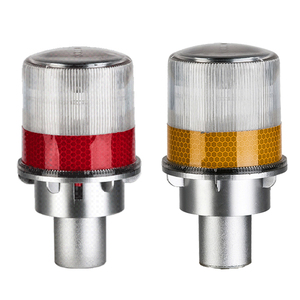
Ruggedized poly-crystalline panel integrated with ultra-bright red optical LEDs. Built specifically for high-speed median construction and emergency barricading.
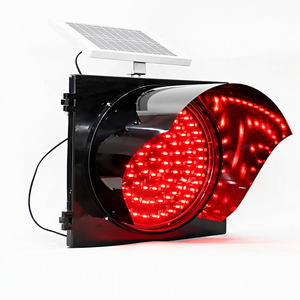
Engineered with high-impact polycarbonate optical lens and automated dusk-to-dawn switching, delivering continuous warning illumination across industrial zones.
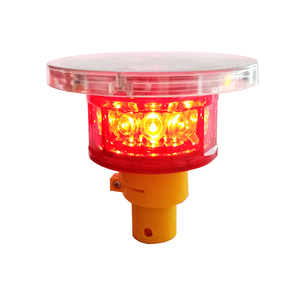
High-grade cast aluminum housing paired with UV-stabilized amber lenses. Designed to meet NHAI and international structural safety standards.
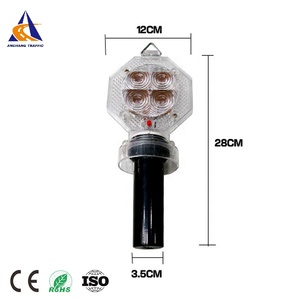
Designed for high portability, rapid deployment on cones and temporary bollards. Provides 360-degree optical visibility for road construction teams.
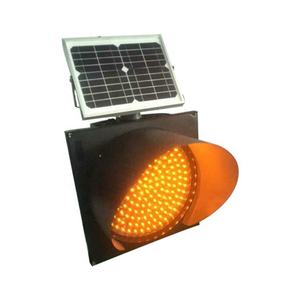
Features high-lumen focused LED clusters, extended 7-day battery autonomy, and weatherproof powder coating suited for toll plazas and curve warnings.
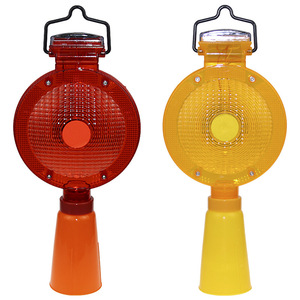
Ultra-lightweight warning unit with 50-meter direct optical line-of-sight. Fully sealed against road spray, heavy dust, and direct precipitation.
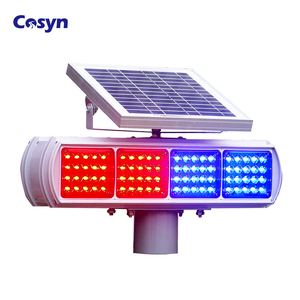
Multi-mode burst flash configuration providing maximum psychological deceleration alerts near police checkpoints, bridge approaches, and detours.
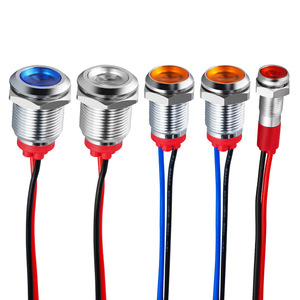
Designed for rapid mounting onto highway maintenance equipment, municipal utility vehicles, and heavy construction cranes operating in live traffic.
As global road infrastructure modernizes, the LED traffic blinker has evolved from an ordinary flashing signal into a specialized highway-engineering module. Deployed at accident-prone intersections, high-speed median cuts, school perimeters, and sharp mountainous switchbacks, blinkers are expected to operate continuously without field failure. Achieving this level of reliability requires an understanding of semiconductor thermal dissipation, solar radiation dynamics, optical beam collimation, and rugged polymer synthesis.
Enpowers International operates an end-to-end production ecosystem in GIDC Phase-1, Vatwa (Ahmedabad, India). Controlling both precision metal casting and optical wave-soldering processes, our facilities engineer solutions that resolve common field issues like LED yellowing, internal condensation, charge-controller drift, and driver degradation.
Engineering Benchmark: High-flux visual detection demands luminous intensity stability across wide operational temperatures (-20°C to +70°C). Our optics maintain chromaticity compliance and photometric beam intensity exceeding 300 cd over an effective 800-meter viewing cone.
The visual impact of a warning flasher depends heavily on chromaticity consistency and driver topology. Ordinary blinkers often suffer from early lumen depreciation due to unshielded voltage ripples and poor heat sinking behind LED arrays. Our manufacturing process integrates constant-current buck-boost LED driver circuitry that maintains uniform optical wattage output even as terminal battery voltage shifts during non-sunlight cycles.
Using Epistar and Cree high-intensity diodes paired with optical-grade PMMA/Polycarbonate lenses, we eliminate the yellow phosphor dispersion common in lower-grade units. Every assembly includes internal thermal cutoffs that protect both surface-mount components and micro-controllers from high-ambient desert environments and humid coastal locations.
Field installations in diverse geographic regions present distinct operational challenges. Tropical installations face high heat, dust deposition, and long monsoon periods, while cold, high-altitude installations like Border Roads Organisation (BRO) projects demand battery performance beneath freezing conditions. An off-grid solar blinker must balance photovoltaic energy generation with energy storage resilience.
We deploy high-efficiency mono- and polycrystalline PV panels with anti-reflective tempered glass coatings, delivering an optimal energy conversion ratio even under overcast conditions. We pair these panels with Lithium Iron Phosphate (LiFePO4) or sealed deep-cycle Gel VRLA batteries managed by smart PWM/MPPT algorithms. This setup guarantees up to 5 to 7 days of complete solar autonomy (autarky), ensuring uncompromised signaling during consecutive cloudy or rainy days.
| Technical Parameter | Standard Industrial Grade | Enpowers International Heavy-Duty Export Grade |
|---|---|---|
| Optical Lens Material | Recycled Polystyrene / Standard PC | UV-Stabilized Optical Bayer Macrolon Polycarbonate |
| Ingress Protection | IP54 to IP55 | IP65 to IP68 (Dual Gasket Hermetic Silicone Seal) |
| Battery Chemistry | Standard Lead-Acid (1-2 yr lifespan) | High-Cycle LiFePO4 or Deep-Cycle Sealed Gel (4-6 yr lifecycle) |
| Flash Pattern Rate | Single fixed cycle (approx. 40/min) | Programmable: 45–60 Flashes/Min, Burst Mode, Night-Dimming |
| Solar Controller Type | Basic Shunt Switch | Solid-State Microcontroller with MPPT / Overcharge & Low-Volt Cutoff |
| Structural Housing | Extruded Sheet Plastic | Cast Aluminium ADC-12 or Virgin UV Polycarbonate |
Key technological and regulatory shifts infrastructure developers and government procurement agencies should track over the next 5 to 10 years.
Future highway contracts increasingly mandate cellular (NB-IoT / LTE-M) or LoRaWAN integration. Centralized municipal dashboards can now monitor real-time battery status, LED diode status, and automated brightness throttling without needing manual field inspections.
Global specifications are rapidly moving away from bulky, maintenance-heavy lead-acid batteries. LiFePO4 technology offers 3,000+ deep-discharge cycles, high thermal stability in unshaded desert corridors, and smaller housing profiles that reduce wind resistance.
As expressways handle heavier freight, road furniture faces continuous high-frequency vibrations and severe crosswinds. Concessionaires now prioritize die-cast aluminum enclosures and double-sealed housings (IP65 to IP68) over cheaper modular plastic units.
Sourcing directly from our production plants in Ahmedabad eliminates middle-tier markups while ensuring full compliance with national and international tender documentation. Here is how our engineering setup supports global contractors:
Every blinker design follows strict Indian and international road authority standards, including IRC, NHAI, CPWD, and military border road specifications, with matching factory test certificates provided.
We tailor optical lenses (100mm, 200mm, 300mm, 400mm), specific arrow geometries, dual-color alert arrays (Amber/Red/Blue), and custom mounting poles to match your regional traffic codes.
With an established presence across Europe, the Middle East, Southeast Asia, and Africa, our team manages comprehensive export packing, freight handling, and customs compliance for worry-free delivery.
To ensure continuous operation without oversizing costs, project engineers should provide: (1) The geographic installation coordinates (to establish baseline solar irradiance and peak sun hours), (2) The required days of autonomy (typically 3 to 7 cloudy days), (3) Lens aperture size (200mm vs. 300mm), (4) Preferred flash frequency and duty cycle, and (5) Pole diameter or cantilever mounting specs.
Solar blinkers offer significant savings along highways, rural intersections, and construction corridors by eliminating trenching, copper cabling, and utility metering. However, AC-powered units (110V/220V) remain better suited for dense urban centers with high-rise shading, tunnels, interior toll canopies, and areas with stable existing electrical grids.
We use virgin optical-grade polycarbonate mixed with specialized UV stabilizers during our molding process. This keeps the lens clear and crack-resistant for 5 to 10 years of direct tropical sun exposure, maintaining proper light transmission and chromaticity.
Yes. Our in-house manufacturing handles single, double, or synchronized multi-unit arrow blinkers for highway curves, diversions, and toll plaza lane assignment. Dynamic chasing or synchronized patterns are easily configured through our custom microcontrollers.
Every commercial export order includes a Certificate of Origin, internal factory inspection reports, luminous intensity tests, IP ingress certifications, and material compliance sheets matching your original tender specifications.