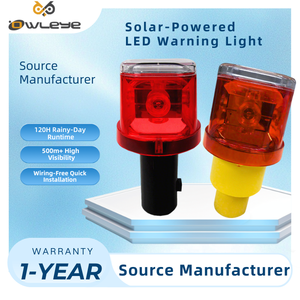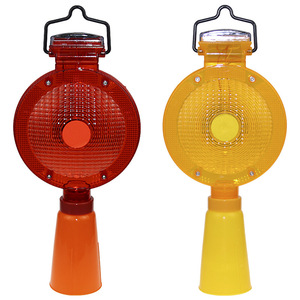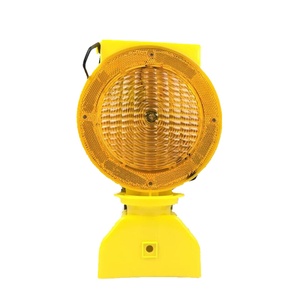
Yellow LED Solar Barricade Flasher Light
Impact-resistant polycarbonate construction flasher light with 360-degree high-intensity amber refraction. Essential for highway lane shifts.
Contact UsEngineered for direct off-grid installation across highway concession projects, mining access roads, and urban speed-calming zones throughout Chile.
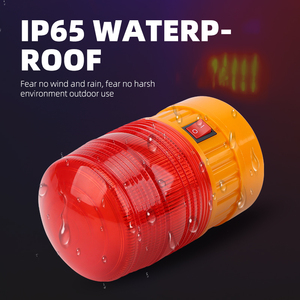
Impact-resistant polycarbonate construction flasher light with 360-degree high-intensity amber refraction. Essential for highway lane shifts.
Contact Us
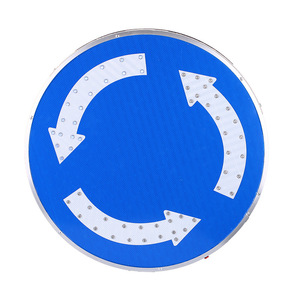
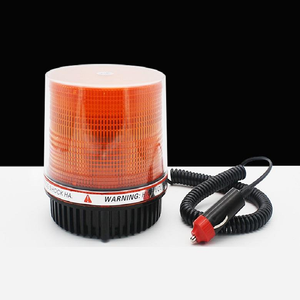
Heavy-duty neodymium magnetic base designed for utility service vehicles, escort convoys, and rapid roadside deployment in emergency maneuvers.
Contact Us
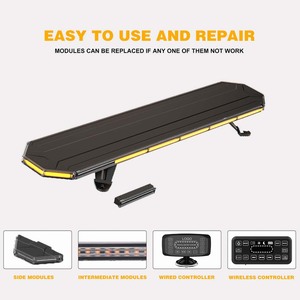
High-grade structural aluminum board with embedded perimeter LED flashers and industrial anti-UV coating built to withstand extreme Atacama solar degradation.
Contact Us
Engineered with a high-capacity LiFePO4 battery pack sustaining 120 continuous operating hours under heavy overcast, marine fog, or snow blizzards.
Contact Us
Aerodynamic low-drag rooftop warning unit offering Class 1 light output, multi-flash synchronicity, and detachable brackets for fleet transport vehicles.
Contact Us
Rugged dual-voltage flash module tailored for haulage trucks, mining dumpers, and emergency responders operating within extreme Chilean terrain.
Contact Us
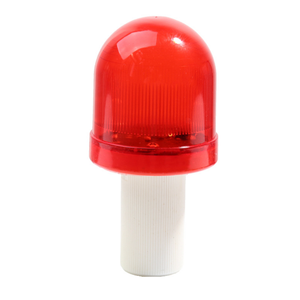
Compact high-flux optical head engineered for traffic cones, tubular delineators, road repair barricades, and fast urban intervention teams.
Contact Us
Self-charging top-mount warning fixture with 500-meter visual acuity, automated twilight sensors, and universal plug fitment for cone arrays.
Contact UsThe operational landscape of the Republic of Chile presents one of the most demanding environmental tests globally for intelligent transportation systems (ITS) and active delineation hardware. Extending from the hyper-arid Atacama Desert across latitude 17°S down to the sub-Antarctic conditions of Magallanes at 56°S, road furniture experiences profound temperature fluctuations, the world's most aggressive surface solar irradiance (UV index consistently reaching 11+ to 14 in northern altitudes), corrosive Pacific coastal salt spray, and winter Andean blizzards exceeding 4,000 meters above sea level.
As an established manufacturer exporting directly to infrastructure contractors and concession holders (Sociedades Concesionarias), our wireless traffic blinker assemblies are specifically re-engineered to transcend the vulnerabilities of generic commercial road lights. Standard off-the-shelf electronic warnings typically suffer rapid photovoltaic encapsulation yellowing, moisture ingress through compromised seals during sudden thermal cycling, and early lithium battery pack exhaustion caused by sub-zero plateau freezes.
Our industrial production methodology addresses these pain points natively. By integrating micro-controlled maximum power point tracking (MPPT) solar charge architectures, optical grade virgin UV-stabilized polycarbonate lenses, and long-range sub-GHz RF mesh communication cards, our systems establish uninterrupted synchronized flash cadences. Whether utilized for median hazard alerts, high-speed arterial curve approaches, or dynamic roadwork diversions, these autonomous beacons guarantee absolute compliance with the photometric visibility thresholds set out in the Chilean Manual de Señalización de Tránsito and MOP (Ministerio de Obras Públicas) guidelines.
Engineered to meet the exact environmental and statutory demands across public highways, municipal arteries, and private resource corridors.
Heavy mineral transport corridors and private copper mine arteries operating above 3,500m face severe sub-zero nighttime temperatures alongside intense daytime solar radiation. Our off-grid wireless blinkers utilize specialized wide-temperature LiFePO4 cells and IP67 dustproof cast-aluminum backings that resist powdery tailings dust and high vibration from mining fleets.
Private concessionaires managing long stretches of Chile's Ruta 5 require highly reliable alert beacons at median openings, emergency turnaround areas, and toll plaza transitions. Integrated RF wireless synchronization eliminates the massive trenching, copper wiring, and power drop costs otherwise required across remote desert and coastal spans.
Dense Pacific morning coastal fog (Camanchaca) severely impairs driver sightlines along port approaches. High-candela amber flashing beacons with precision optical collimators cut through moisture diffusion, providing early deceleration cues for container lorries and commercial distribution traffic.
Southern regions such as Los Lagos and Aysén experience extended periods of continuous rainfall and heavy overcast skies. With advanced monocrystalline silicon panels yielding up to 22.5% solar conversion under diffuse light and smart 120-hour power reserves, our systems maintain uninterrupted operation without blackouts.
Critical trans-Andean border routes demand rapid temporary traffic management during seasonal snow clearing, avalanche prevention, and rockfall hazards. Rugged, magnetic-mount and pole-clamp wireless blinkers enable road crews to rapidly deploy active warning perimeters without needing external generator sets.
Municipalities (Municipalidades) throughout Chile are systematically replacing static cautionary signs with active LED blinkers at pedestrian crossings and school zones. Programmed scheduled dimming reduces nocturnal urban glare while ensuring full daylight penetration during peak morning transit hours.
Strategic evolutions modernizing active signaling, concession performance metrics, and sustainable highway management.
Modern highway projects across Chile are moving away from unsynchronized, erratic flasher lights that cause visual confusion for night drivers. Current tenders frequently mandate synchronized flashing or directional sequencing across long work zones. By embedding sub-1GHz frequency radio modules (915 MHz band compliant with Chilean SUBTEL regulations), our blinkers form local self-healing networks that sync flashes across kilometers without satellite subscriptions or cabling.
Historically, solar warning hardware in Chile relied on heavy gelled lead-acid batteries. The harsh temperature swings of the Atacama and high-altitude mountain passes frequently triggered premature sulfation, degrading lead-acid packs within 12 to 18 months. Leading concessionaires now demand LiFePO4 chemistry, which offers over 2,500 charge cycles, superior discharge stability down to -20°C, and significant weight reduction for easier pole servicing.
Under safety audits governed by the Comisión Nacional de Seguridad de Tránsito (CONASET) and the MOP Directorate of Highways, contractors are increasingly penalized for non-standard visual signaling. There is heightened scrutiny on chromaticity coordinates (specifically the yellow-amber 590nm band) and minimum luminous intensity measured at offset angles, driving procurement away from low-tier novelty imports toward certified industrial factories.
Combining rigorous factory engineering, documented quality control, and full export compliance for frictionless overseas delivery.
From precision tooling of weather-sealed optical enclosures to surface-mount technology (SMT) LED board assembly and aging tests, every unit is built under strict factory oversight without trading intermediaries.
Our outer lenses use pure Bayer polycarbonate stabilized with anti-UV stabilizers that prevent structural embrittlement, clouding, and yellowing even when exposed to northern Chile's elevated solar radiation.
We provide complete export documentation, customs packing, Certificate of Origin paperwork, and full palletization suitable for sea freight arriving at Valparaíso or San Antonio, as well as expedited air shipping to Santiago (SCL).
Send us your project documentation, tender bidding terms, or dimensional schematics. Our engineering department reviews every electrical and optical clause to furnish customized technical submissions.
Direct technical and commercial answers addressing procurement, customs compliance, and installation requirements in Chile.
Send your tender drawings, bill of quantities (BOQ), or technical requirement sheets to our engineering team. We deliver complete photometric data, battery autonomy modeling, and CIF Chile pricing within 24 hours.
Contact Us