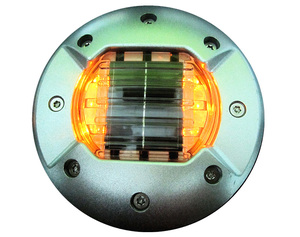
Hot Sale Round Shape Blinker Flashing Cat Eye Traffic 6 LED Warning Light Product Embedded Aluminum Solar Road Stud
- Compressive Load: > 30 Tons
- Ingress Class: IP68 Submersible
- Application: Heavy freight terminal guidance

Precision-engineered traffic signal light housings, solar warning blinkers, and intelligent roadway safety devices calibrated for Northern European winter stress and extreme port conditions.
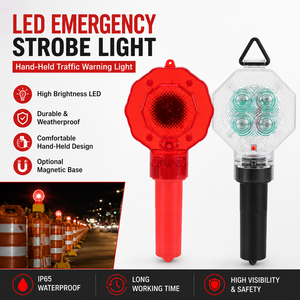
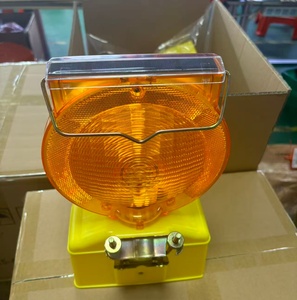
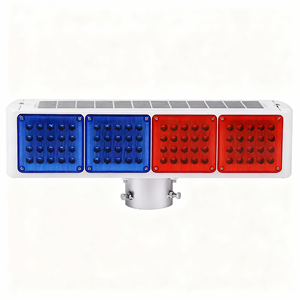
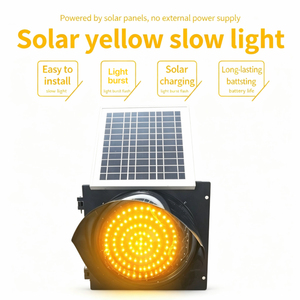
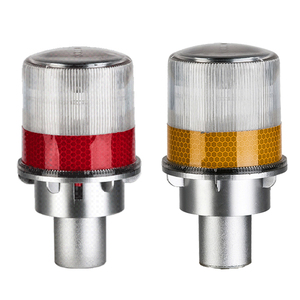
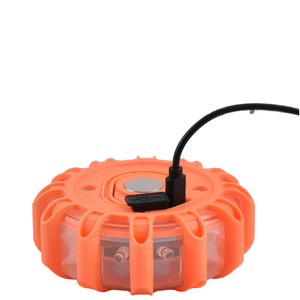
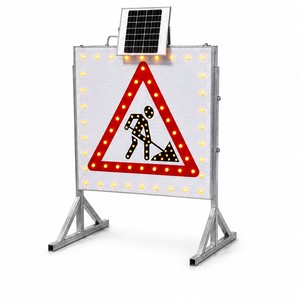
In Northern European industrial junctions, commercial transportation hubs, and seaport arterial networks like Hamburg—Europe's third-largest container gateway—traffic control equipment operates under severe ecological stressors. From high-salinity air drifting off the Elbe Estuary to damp freeze-thaw cycles and severe gale-force wind loads across the North Sea coastline, traffic signaling systems must maintain uninterrupted operational integrity. An electronic optical engine is only as dependable as the structural barrier surrounding it: the traffic signal light enclosure.
As an established traffic signal light enclosure factory & exporter, our production architecture combines high-pressure die-cast aluminum alloys (ADC12 / EN AC-44300) and Bayer Makrolon® high-impact polycarbonate. By applying multi-stage fluorocarbon powder coating, double-molded EPDM/silicone gaskets, and precision thermal dissipation channels, our signal housings exceed the strict testing thresholds mandated by the European Standard EN 12368 (Traffic control equipment - Signal heads) and German RiLSA guidelines.
Civil engineers and infrastructure authorities across Northern Germany confront distinct requirements when selecting signal enclosure substrates. Below is a comparative breakdown of enclosure performance criteria across heavy industrial and coastal applications:
| Engineering Property | Die-Cast Aluminum Enclosure (ADC12) | Polycarbonate Enclosure (Makrolon®) | Field Implication in Hamburg Logistics Zones |
|---|---|---|---|
| Mechanical Impact Rating | Class IR3 (> 20 Joules / IK09-IK10) | Class IR2 (13.5 Joules / IK08) | Aluminum provides maximum defense against side impacts from heavy port drayage trailers. |
| Corrosion & Salt Fog Defense | 1,000 hrs ASTM B117 salt spray pass | Naturally inert, 100% non-corrosive | Polycarbonate excels in direct coastal splash zones; coated aluminum excels across heavy vibration bridges. |
| Thermal Heat Dissipation | High thermal conductivity (96 W/m·K) | Thermal insulator (0.2 W/m·K) | Aluminum housings serve as passive heat sinks for high-power LED driver circuits, extending MTBF. |
| UV Degradation Resistance | Impervious to solar radiation breakdown | UV-stabilized resin prevents yellowing | Both formulations avoid surface embrittlement across continuous multi-year outdoor exposure. |
| Weight & Wind Load Stress | Heavier structural mass, high stiffness | Lightweight (reduces mast cantilever moment) | Polycarbonate minimizes deadweight on long cantilever arms across windy motorway crossings. |
The critical operational vulnerability of roadside enclosures in maritime climates like Hamburg is capillary moisture ingression resulting from internal air volume temperature fluctuations. As the LED array powers on, internal chamber air expands. When the unit cools down rapidly during damp North German autumn nights, a negative internal pressure differential is created.
Inferior housings draw in salt-laden external air through terminal seals and bolt joints. Our industrial enclosures incorporate hydrophobic, oleophobic ePTFE (expanded polytetrafluoroethylene) pressure-compensation membrane vents. These micro-porous acoustic breathers allow bidirectional gas diffusion, maintaining internal atmospheric equilibrium while completely barring the entry of water droplets, industrial particulate soot, and corrosive saline vapors (guaranteeing continuous IP65/IP66 enclosure performance over a 10-year lifespan).
From high-volume logistics arteries around the Port of Hamburg to suburban intersections and high-speed autobahn junctions, our enclosures and warning blinkers solve critical transportation safety challenges.
Operating in Waltershof, Altenwerder, and Köhlbrandbrücke logistics corridors. Heavy freight container flow requires IP68 embedded aluminum solar studs and corrosion-proof die-cast signal heads to withstand constant sulfur dioxide emissions, heavy salt air, and relentless ground vibrations.
Frequent maintenance along the Elbtunnel approaches and metropolitan ring roads necessitates rapid-deployment solar flashing arrows and CE-certified LED barricade warning lamps to provide high-contrast visibility to high-speed motorists in thick fog and winter rains.
Integration into Hamburg's intelligent urban intersections (HVV bus priority corridors). Polycarbonate 200mm and 300mm modular housings protect transit signaling electronics, resisting vandalistic graffiti adhesion and street de-icing salt splashes without aesthetic degradation.
The convergence of municipal decarbonization targets, connected cooperative driving (C-ITS), and circular economy guidelines is redefining traffic light manufacturing specifications.
Hamburg's smart city testbeds require traffic light housings to double as non-interfering enclosures for 5G microcells, C-ITS short-range communication units, and radar vehicle presence sensors without signal attenuation.
Escalating grid trenching and cabling costs in suburban highway expansions have spurred massive adoption of off-grid solar warning blinkers fitted with lithium iron phosphate (LiFePO4) storage rated for 15+ days of winter autonomy.
In alignment with the European Green Deal and German Circular Economy Act (KrWG), public tenders increasingly prioritize traffic light housings built with 100% recyclable, lead-free aluminum die castings and modular snap-fit component assemblies.
Drawing from our precision manufacturing hub in Ahmedabad and delivering across global logistical centers including Hamburg, we combine strict engineering compliance with responsive direct-factory supply.
No third-party middlemen. Enpowers controls every production stage from tooling fabrication, pressure die-casting, and surface chemical passivation to precision photometric calibration and final assembly.
Adaptable to European DIN/EN standards, American MUTCD specs, and Indian NHAI/BRO guidelines. Custom options include specific optical diameters (200mm/300mm), housing shades (RAL 6009, RAL 7016, RAL 9005), and custom mounting flanges.
Every unit is packaged in reinforced moisture-barrier export crates with vapor corrosion inhibitor (VCI) bags, fully documented with Mill Test Certificates, IP testing reports, and Certificates of Origin for seamless Hamburg Customs clearance.
Critical technical, regulatory, and logistics queries answered for public infrastructure planners, municipal purchasing officers, and traffic engineering contractors.
Yes. Our signal light housings and warning blinkers are engineered to meet the stringent mechanical, optical, and environmental requirements defined in EN 12368. This covers impact class IR2/IR3 resistance, IP65 ingress protection against water and particulate matter, thermal resistance from -40°C to +60°C, and electrostatic discharge protection. Comprehensive CE testing dossiers, material certificates, and third-party laboratory test reports are provided with all European export orders.
Our cast aluminum enclosures utilize high-purity, low-copper aluminum alloy (ADC12 / EN AC-44300) subjected to an automated six-stage pre-treatment wash and zirconium conversion coating, followed by architectural-grade electrostatic polyester-fluorocarbon powder coating. This protective finish provides over 1,000 hours of continuous salt-spray corrosion resistance under ASTM B117 standards, completely insulating the substrate against the harsh brackish spray and chemical de-icing salts prevalent along the River Elbe and Northern German highway routes.
Absolutely. While standard municipal signal heads are commonly specified in RAL 9005 (Jet Black), RAL 7016 (Anthracite Grey), or RAL 6009 (Fir Green), our automated electrostatic powder-coating line accommodates any RAL classic code to align with local municipal streetscapes, port authority branding guidelines, or private industrial facility requirements. Custom visor shapes (such as tunnel, cap, or full-hood geometries) are also readily configurable.
Hamburg's winter climate presents low solar irradiance (GHI) and frequent cloud cover between November and February. To ensure continuous warning operation, our solar engineering team sizes photovoltaic collectors and battery reserves based on worst-case December sun-hour data for 53.5°N latitude. We utilize high-efficiency monocrystalline solar modules coupled with low-temperature Lithium Iron Phosphate (LiFePO4) battery packs, providing an autonomy reserve of 120 to 360 continuous flashing hours (10–15 days) without direct sunlight.
For standard enclosure configurations and safety blinkers, factory lead time is typically 10 to 20 business days. Transit time via scheduled direct ocean container lines to the Port of Hamburg (HHLA Burchardkai or Altenwerder terminals) averages 24 to 30 days. We provide comprehensive export documentation, including EUR.1 / Certificate of Origin, Bill of Lading, Packing Lists, and Commercial Invoices configured under Incoterms 2020 (FOB, CIF Hamburg, or DDP) for seamless clearance via the ATLAS German customs digital system.
Yes. Our signal light enclosures are built with universal modular serrated locking teeth and standard mounting interfaces compatible with standard European mast diameters (Ø 76mm, Ø 89mm, and Ø 108mm) as well as horizontal overhead gantry brackets. This ensures rapid retrofitting on existing infrastructure without necessitating on-site metal fabrication or pole modifications.