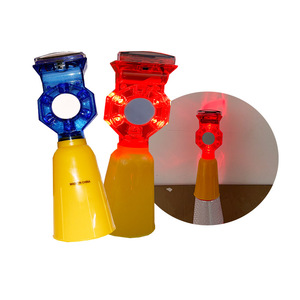

Delivering precision-engineered, solar-autonomous, and mains-fed optical alert systems engineered to comply with DIN EN 12352, RSA 21, and Berlin SenMVKU urban mobility safety mandates.
Industrial road warning lamps, solar beacons, and dynamic speed alerting signage precision-built for Berlin road authorities, civil works concessionaires, and fleet operators.
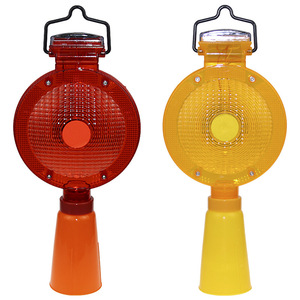
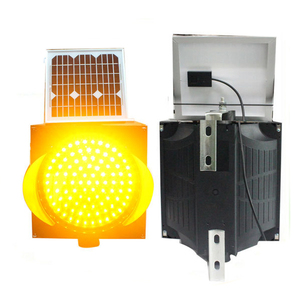
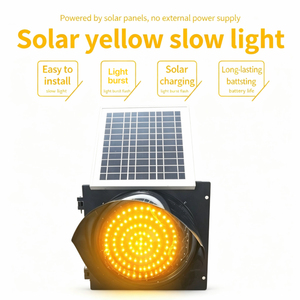
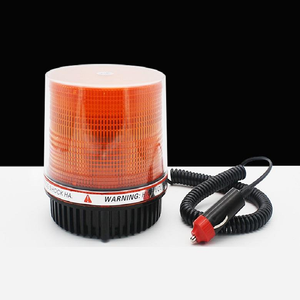
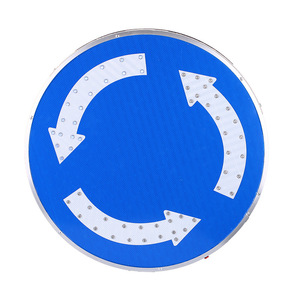
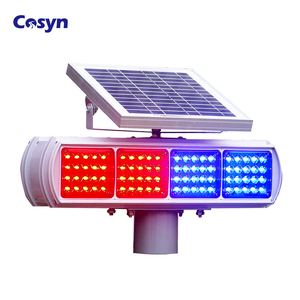
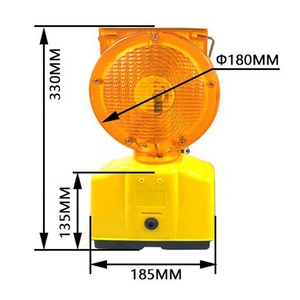
Berlin's urban traffic dynamics present a unique challenge for road alert lighting systems: dense multimodal transit intersecting with arterial freight corridors, historic tree canopies limiting sunlight, and severe Central European winters characterized by sub-zero temperatures and persistent cloud cover. As a specialized manufacturer exporting to more than 20 countries, our traffic alert lights are engineered to exceed German civil specifications, specifically aligning with RSA 21 (Richtlinien für die verkehrsrechtliche Sicherung von Arbeitsstellen an Straßen) and DIN EN 12352.
Our alert light enclosures utilize virgin UV-stabilized polycarbonate and marine-grade die-cast aluminum alloys, providing high mechanical impact resistance (up to IK10) and comprehensive IP68 ingress protection against heavy rains, thawing chemical salts, and high-pressure street cleaning machinery. Optical systems integrate Osram/Cree high-output LEDs coupled with custom Fresnel collimating lenses, delivering compliant luminous intensity distributions that eliminate driver glare while securing maximum daylight visibility at distances exceeding 1,000 meters.

A direct engineering mapping against the Senatsverwaltung für Mobilität, Verkehr, Klimaschutz und Umwelt (SenMVKU) infrastructure requirements.
| Evaluation Parameter | German / European Norm | Our Manufacturing Standard | Operational Value for Berlin Contractors |
|---|---|---|---|
| Optical Class & Intensity | DIN EN 12352 (Class L8H / L8M) | Effective intensity > 1,500 cd (Day) / 250 cd (Night) | Guaranteed optical recognition across high-speed stretches like the A100 autobahn. |
| Housing Protection | DIN EN 60529 (Min. IP54) | Hermetic IP68 with breathable Gore-Tex vent plugs | Total protection against driving rain, industrial snowmelt salts, and street sweeping jets. |
| Winter Power Autonomy | RSA 21 Continuous Duty Specs | Up to 21 days (504 hours) unassisted autonomy | Sustained operation through Berlin’s prolonged overcast December–January weather patterns. |
| Color Metrics & Wave | CIE Chromaticity Box (Yellow/Amber) | 590nm - 595nm Peak Dominant Wavelength | Zero visual confusion for public BVG buses, emergency vehicles, and autonomous driving sensors. |
| Structural Resistance | DIN EN 12767 Wind & Impact Class | IK10 Vandal-Resistant Polycarbonate / Cast AL | Withstands urban vandalism, vehicle clipping, and severe Central European wind gusts. |
Purpose-configured deployments solving mobility, municipal maintenance, and pedestrian safety problems across Greater Berlin and Brandenburg.
Heavy-duty, high-output 300mm pole-mounted yellow flashing beacons positioned on advance taper barriers and dynamic contraflow lanes to mitigate rear-end collisions during construction stages.
Rapid-strobe red and amber signal lanterns integrated into unsignalized streetcar crossings across Friedrichshain, Pankow, and Mitte to alert cyclists and distracted pedestrians.
Compact, solar-charged synchronized blinkers installed along Berlin’s cycling infrastructure corridors, alerting right-turning logistics trucks to crossing commuter traffic at blind intersections.
Low-profile magnetic amber strobe lights equipped with 12/24V dual-voltage DC input used by BSR municipal maintenance and winter grit spreading trucks operating in residential districts.
Explosion-safe, high-frequency perimeter strobe flashers demarcating freight apron boundaries, automated guided vehicle (AGV) routing zones, and airside customs access points.
Aluminum UV-printed speed limit displays integrated with radar speed feedback and high-brightness yellow flashing halos installed near primary schools across Spandau and Neukölln.
How Germany's capital is reshaping safety equipment procurement under Vision Zero, the Berlin Mobility Act (Berliner Mobilitätsgesetz), and carbon-neutral city frameworks.
The Berlin state government has established aggressive legal targets to eliminate road fatalities. This policy shifts contractor preference from passive reflective panels to active, optical pulsing warning lamps that guarantee driver alertness in fog, dusk, and heavy rain conditions.
Berlin’s municipal carbon neutrality roadmap penalizes diesel generator-powered warning lights at civil work zones. High-efficiency solar MPPT flashers with deep-cycle LiFePO4 chemistry are rapidly becoming mandatory for public sector construction tenders.
The modernization of the Berlin traffic management center (Verkehrsinformationszentrale Berlin - VIZ) is fostering demand for synchronized RF-meshed warning lights that flash in coordinated directional cascades and report battery health over cellular NB-IoT frequencies.

Unlike trading intermediaries, we operate an integrated manufacturing facility where every circuit board assembly, optical lens molding, and environmental stress test is managed in-house. Our production plant adheres strictly to ISO 9001 and CE quality guidelines, with units engineered to tender documents from road authorities across 20+ countries, including NHAI, PWD, BRO, and European civil guidelines.
When supplying Berlin and German municipal contractors, we deliver full technical submittals, including photometric test certificates, IP ingress validation reports, and tailored bracket designs for standard German 60mm and 76mm tubular steel posts. By purchasing directly from the manufacturing source, infrastructure developers eliminate intermediate markups while securing customized casing colors, optical outputs, and backup capacities.
Reliable components designed for continuous field durability and international shipping schedules.
Custom polycarbonate housing extrusion, tooling, and surface treatment controlled end-to-end for tight seal tolerances.
Configurable flash rates (50 to 60 flashes/min), duty cycles, dual-color bursts, and automatic night-time ambient dimming.
Every alert blinker undergoes a mandatory 72-hour thermal cycle and continuous optical burn-in run before packing.
Full support for German customs clearance: HS code classification, certificates of origin, and certified test reports.
Technical, regulatory, and logistics clarifications for project managers, civil contractors, and municipal safety buyers.
Consult with our engineering team to evaluate technical tenders, request photometric polar diagrams, or obtain a comprehensive FOB / CIF Hamburg quotation.