Export Sales: +91 96012 58123[email protected]Exporting to 20+ Countries
Top China Traffic Flash Light Manufacturer & Suppliers Serving Canada
Precision Photometrics, TAC/MUTCDC-Aligned Optical Systems, and Heavy-Duty Cold-Climate Photovoltaic Engineering for Canadian Provincial Corridors and Extreme Winter Operations
Industrial Specification Portfolio
Engineered Roadway Hazard Flashing Lights for Canadian Municipalities & Contractors
Every luminaire, chevron beacon, and solar warning sign listed below is built under strict ISO9001/14001 manufacturing regimes. Engineered with low-temperature solid-electrolyte batteries, UV-stabilized polycarbonate lenses, and high-intensity Osram/Cree LEDs, these units guarantee uninterrupted duty across Canadian climates from -40°C blizzard permafrost to +40°C humid summer heat.
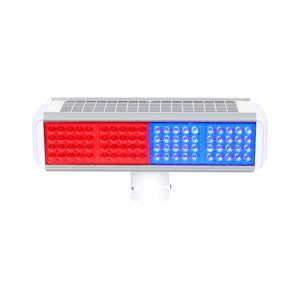
Integrated monocrystalline solar module with ultra-bright dual red/blue flashing arrays. Aerodynamic casing engineered for 150 km/h prairie wind shear resistance with 1,000-meter night visual cutoff.
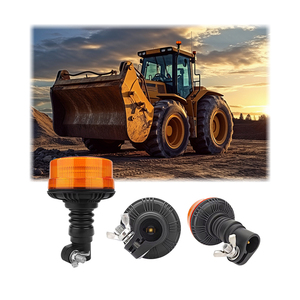
Flexible DIN pole mount featuring high-shock absorption for Canadian winter maintenance plows, agricultural equipment, and utility service fleets. IP66 rated against salt-brine washdowns.
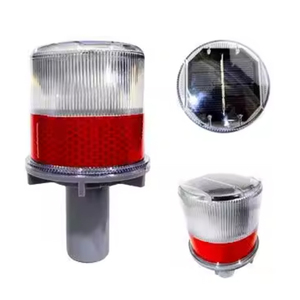
Polycarbonate 360-degree high-candela optical Fresnel lens with automated ambient-dusk daylight sensor. Engineered with cold-temp LiFePO4 cells delivering up to 14 days of overcast autonomy.
Universal compression bracket engineered to fit standard Canadian 700mm and 900mm TC-51 traffic cones. Anti-drop locking base designed for high-vibration bridge rehabilitation zones.
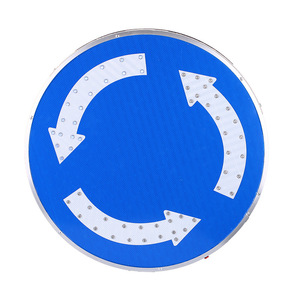
Structural 5052-H38 marine-grade aluminum backboard overlaid with 3M Diamond Grade DG3 retroreflective sheeting. Synchronized edge-embedded flashing LEDs for school zones and speed reductions.
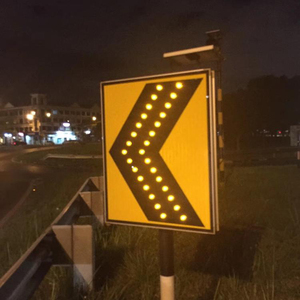
Autonomous sequential and synchronized amber chevron systems built for severe mountain highway curves, expressway ramps, and bypass diversions. Resistant to ice build-up and sub-zero frost heave.
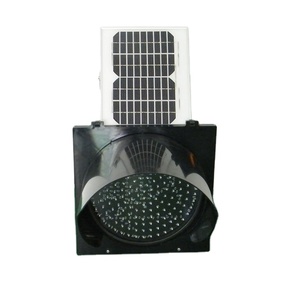
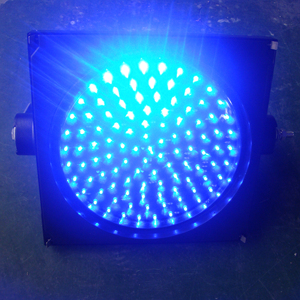
Standard 12-inch (300mm) aspect warning luminaire in law-enforcement blue or transit caution tint. Heavy cast aluminum housing with powder-coated finish compatible with universal Pelco mountings.
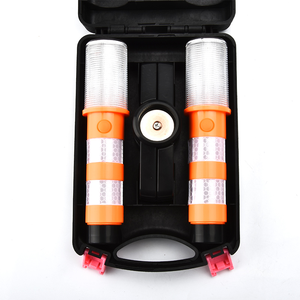
Instant-mount 80-pound pull neodymium magnetic base for roadside emergency vehicles, salt spreaders, and heavy industrial plant equipment. Dual-color signaling with high-impact sealed ABS base.
"Procuring safety-critical traffic illumination for Canada demands more than generic optical outputs. It requires thermodynamically verified LiFePO4 battery chemistry that holds discharge efficiency at -40°C, hydrophobic self-clearing polycarbonate lenses that shed freezing glaze, and structural designs that seamlessly comply with the Manual of Uniform Traffic Control Devices for Canada (MUTCDC) and Transportation Association of Canada (TAC) guidelines."
Executive Engineering White Paper: Critical Specifying Factors for Canadian Deployments
Canadian road safety infrastructure spans extreme geographic environments: from the saline-fog coastal corridors of Vancouver Island and Nova Scotia to the sub-arctic permafrost expanses of the Northwest Territories, Northern Alberta, and Ontario’s northern resource bypasses. Procurement directors and infrastructure engineers cannot rely on commercial-grade imported hardware engineered for equatorial sunlight and warm climates. Selecting an industrial traffic flash light manufacturer in China requires auditing technical capabilities across three fundamental core engineering pillars.
1. Low-Temperature Thermodynamic Battery Management (-40°C to +60°C)
Standard lithium-ion (NMC) and standard lead-acid gel batteries experience catastrophic degradation below -10°C, suffering from electrolyte freezing, extreme internal resistance rise, and lithium plating during recharge cycles. Our engineering plant utilizes grade-A prismatic Lithium Iron Phosphate (LiFePO4) cells optimized with custom low-temperature chemical formulations. For ultra-cold installations across Alberta, Saskatchewan, and Manitoba, we integrate smart internal heating elements powered by surplus daytime photovoltaic generation. The Battery Management System (BMS) automatically locks out high-rate charging until internal cell temperatures reach safe thresholds, securing continuous 8 to 10-year operational life cycles without thermal runaway or capacity collapse.
2. Low Solar Insolation and High-Latitude Angle Photovoltaic Sizing
In high-latitude Canadian cities such as Edmonton (53.5°N) or Fort McMurray (56.7°N), December daylight drops below 7.5 hours with an average solar insolation factor of less than 1.8 Peak Sun Hours (PSH) per day. Standard equatorial solar flashers sized with 5W panels fail entirely by early November. Our manufacturing process calculates solar arrays using Canadian Solar Insolation Maps, deploying high-efficiency N-Type monocrystalline panels (conversion efficiency >22.5%) tilted at optimized winter declination angles (55° to 65°). Coupled with custom Maximum Power Point Tracking (MPPT) micro-controllers, our systems achieve up to 18 to 21 days of continuous zero-sun autonomous flashing duty cycle.
3. Environmental Ingress Protection and Chemical Resistance
Road maintenance operations across Canada utilize millions of tons of sodium chloride, calcium chloride, and magnesium chloride brine solutions annually. Traffic flashers mounted to median guide posts, crash attenuators, and dynamic overhead mast arms are subjected to high-velocity caustic spray. We engineer our enclosures using corrosion-resistant ADC12 die-cast aluminum with multi-stage electrostatic thermoset polyester powder coating (tested to ASTM B117 1,000-hour continuous salt spray) paired with UV-stabilized, impact-resistant Bayer Makrolon or GE Lexan polycarbonate. Triple-gasketed EPDM silicone seals ensure verified IP66 and IP67 ratings, preventing moisture ingression, lens fogging, and internal PCB short-circuiting.
-40°C
Certified Low Temp Operation
21 Days
Overcast Winter Autonomy
>1,200m
Luminous Visual Range
100,000h
LED Continuous MTBF
Operational Deployment
Localized Application Scenarios Across Canadian Transportation Corridors
From heavy resource exploration haul corridors to high-density municipal work zones, our specialized traffic flashing lights solve critical visibility and warning challenges across distinct Canadian provincial operating environments.
Resource Road Haul Corridors (AB, BC, NL)
In the Athabasca Oil Sands, Peace River forestry zones, and Labrador mining routes, unpaved corridors require high-intensity magnetic beacon flashers and solar hazard strobes. These off-grid units alert 400-ton oversized haulers to blind curves, single-lane timber bridges, and temporary heavy-equipment crossings where electrical grids do not exist.
High-Elevation Mountain Passes (BC Hwy 5 & Hwy 1)
British Columbia's Coquihalla and Kicking Horse canyon routes face sudden blizzards, zero-visibility freezing fog, and rockfall hazards. Our sequential 300mm flashing amber chevrons cut through dense snow squalls, warning commercial transport drivers well before descending into treacherous switchbacks.
Municipal Work Zones & Bridge Rehabilitation
Across urban centers including Montreal, Toronto (GTA), and Vancouver, seasonal bridge decking and roadway rehabilitation projects deploy barricade-mounted solar flashing lights. Our quick-mount bracket assemblies withstand heavy vibration from passing traffic while adhering strictly to MUTCDC Part 3 & Part 4 specifications.
Unsignalized Rural Intersections & Rail Crossings
Across the Prairie provinces (SK, MB), long straight rural highways intersect unexpectedly with secondary gravel roads and grade-level rail crossings. Standalone 300mm solar red and amber flashers deliver automated 24/7 or night-activated visual intervention, significantly decreasing high-speed T-bone and run-off-road collisions.
Municipal Pedestrian Corridors & School Zones
With Canadian municipal Vision Zero initiatives expanding across Ontario and Quebec, our flashing speed limit signs and Rectangular Rapid Flashing Beacon (RRFB) modular kits provide pedestrian-crossing warnings that dramatically boost driver yielding compliance in low-light winter mornings.
Comprehensive Engineering Matrix: Standard Market Hardware vs. Our Canadian Cold-Climate Export Spec
Canadian road authorities cannot afford the downtime and liability of dark signals during sub-zero cold snaps. The engineering comparison table below outlines the material, optical, and thermal differences between commercial domestic-grade hardware and our industrial-grade export manufacturing platform.
Performance Parameter
Standard Tropical/Domestic Grade
Our Engineered Canadian Export Standard
Operational Impact in Canada
Operating Temperature
-10°C to +45°C
-40°C to +65°C Verified
Prevents complete signal blackouts during Canadian polar vortex events.
Battery Chemistry & Tech
Standard Sealed Lead-Acid (SLA) or ternary NMC
Low-Temp LiFePO4 with smart low-temp BMS heater
Extends field maintenance interval from 1.5 years to 8+ years of zero-maintenance operation.
Lens Material & Treatment
Standard molded Polystyrene or thin Acrylic
GE Lexan UV-Stabilized Polycarbonate + Hydrophobic Coat
Eliminates shattering from flying gravel, snowplow slush, and yellowing under UV radiation.
Maintains battery charging current even under heavy overcast and 60° winter sun angles.
Future Market Trends: The Evolution of Roadway Hazard Signaling in Canada (2025–2030)
The Canadian traffic safety market is undergoing a rapid technological transformation driven by carbon-reduction goals, Vision Zero municipal safety frameworks, and the rise of smart highway infrastructure. Key technological shifts defining procurement include:
1. Smart V2X-Ready Warning Lights and Cellular Telematics
Municipal transport networks (e.g., Metrolinx, TransLink) are increasingly requiring traffic safety hardware to support remote operational telemetry. Our next-generation flashers integrate 4G-LTE/CAT-M1 IoT modems with low-power GNSS tracking. Highway maintenance operators can monitor battery state-of-charge (SoC), LED optical health, and local ambient temperatures remotely via cloud dashboards, eliminating costly winter helicopter or snowcat inspections on remote highways.
2. Radar Doppler and Multi-Spectral Triggered Activation
Continuous 24/7 flashing signals can lead to driver habituation and sensory fatigue. Canada’s trend is pivoting toward dynamic, radar-actuated flashers that trigger exclusively when approaching vehicles exceed speed thresholds, when wildlife is detected on rural shoulders, or when pedestrians actuate crosswalk pushbuttons. This targeted activation strategy conserves battery power during critical winter periods while maximizing driver awareness at dangerous road junctions.
3. Elimination of Diesel Generator Towers in Construction Zones
Provincial ministries of transportation are phasing out diesel-powered mobile lighting towers and arrow boards in work zones due to high carbon emissions, fuel theft risks, and continuous refueling costs. Our high-output modular solar arrow chevrons and trailer-mountable LED warning banks offer continuous off-grid reliability with zero noise, zero exhaust, and zero greenhouse gas emissions, directly satisfying strict Canadian Environmental Protection Act (CEPA) parameters.
Our Manufacturing Heritage & Export Quality Control Infrastructure
Operating from our modern precision electronics and optical assembly campus, we control the entire vertical manufacturing chain: from high-speed surface-mount technology (SMT) LED board population and robotic polyurethane potting to aluminum die-casting and spectral optical goniophotometer testing.
100% In-House Factory Direct
No intermediaries or trading markups. We engineer, tool, assemble, and quality-audit every batch under one roof, guaranteeing competitive landed costs for North American contractors.
Rigorous Cold & Thermal Shock Testing
Every batch undergoes thermal environmental cycling in our -45°C walk-in climatic test chamber, verifying cold-cranking voltage release, seal elasticity, and component solder integrity.
Custom OEM & Tender Matching
We configure mounting bracket geometry (band, pole, square-tube), lens diameter (200mm, 300mm), housing finish, and custom optical color temperatures to match exact provincial tender blueprints.
Documented Export Track Record
With proven supply history to over 20 nations across North America, Europe, and Asia, our logistics team coordinates seamless ocean freight to Vancouver, Prince Rupert, Montreal, and Halifax.
Procurement Guidance
Frequently Asked Questions: Sourcing Traffic Flashers from China for Canadian Projects
Direct, technically verified answers addressing compliance, logistics, customs clearance, and cold-weather performance for Canadian infrastructure buyers.
Do your traffic flash lights comply with Canadian MUTCDC and TAC guidelines?
Yes. Our flashing warning lights, solar blinkers, and LED signs are manufactured to meet the optical intensity, color chromaticity, and flash rate standards specified by the Transportation Association of Canada (TAC) and the Manual of Uniform Traffic Control Devices for Canada (MUTCDC). Our optical heads meet standard flash frequencies of 50 to 60 flashes per minute with a 50% duty cycle, and our yellow/amber and red optical chromaticity coordinates align precisely with Canadian national highway and municipal traffic engineering standards.
How do your solar batteries survive prolonged winter darkness in Northern Canada?
We specifically engineer our units for high-latitude Canadian winter conditions. Rather than standard generic configurations, we calculate PV wattage and battery reserve capacity based on local latitude data (e.g., 50°N to 60°N). We utilize high-yield N-type monocrystalline solar modules with steep tilt brackets and high-capacity low-temperature LiFePO4 cells. This delivers up to 15 to 21 consecutive days of full flashing autonomy even with zero direct sun exposure, ensuring continuous night-and-day visibility during heavy overcast winter storms.
Can you supply CSA-compliant components or UL-recognized electrical enclosures?
Yes. For AC-powered units (such as 120V grid-tied blinkers) or solar units with integrated utility charging backup, we utilize CSA-certified and UL-listed power supplies, terminal blocks, wiring harnesses, and breakers. Our solar low-voltage systems operate under intrinsically safe DC voltages (12V/24V) and comply fully with CE, RoHS, and FCC Part 15 Class A regulations for industrial electromagnetic immunity.
What are the typical sea and air freight lead times to Canadian distribution hubs?
For custom OEM/ODM production orders, our factory lead time typically ranges between 15 and 25 working days. Ocean freight shipments from Shanghai or Ningbo ports arrive at Port of Vancouver or Port of Prince Rupert in 14 to 18 days, followed by direct rail transfer via CN or CP Rail to Calgary, Edmonton, Toronto, or Montreal (typically 5 to 7 additional transit days). Expedited sample units or critical project components can be dispatched via air freight (FedEx, UPS, DHL) within 4 to 6 business days.
How are your lights protected against winter road salt spray and high-pressure washing?
Our housings utilize premium ADC12 aluminum die-cast alloys or high-impact UV-stabilized GE Lexan polycarbonate, sealed with continuous seamless EPDM/silicone gaskets to attain verified IP65, IP66, and optional IP67 ingress protection. All external fasteners, hinges, and mounting clamps are constructed from marine-grade 316 stainless steel to eliminate galvanic corrosion caused by winter liquid calcium chloride and rock salt application.
Can we request custom mounting hardware for Canadian utility and sign poles?
Absolutely. We manufacture specialized mounting adaptors tailored to Canadian standard infrastructure, including telescoping square perforated tubing (Telespar), standard round schedule 40/80 steel poles, wood utility poles, and concrete overhead gantries. We provide both universal band-clamp brackets and heavy-duty cast aluminum slip-fitter hubs with Pelco-compatible serrated teeth for precise directional alignment.
What is your warranty policy for products deployed in extreme cold climates?
We provide a comprehensive 3-year to 5-year industrial manufacturer replacement warranty on our cold-climate traffic flashing lights, covering the solar panel, LED optic array, micro-controller, and housing seals. In the rare event of a component failure, replacement modules are shipped promptly with technical documentation to minimize project downtime.
What documentation is provided to satisfy Canadian municipal tender audits?
Every commercial export order is backed by a complete compliance dossier, including factory quality inspection reports, third-party optical test certificates (candela distribution and chromaticity), ingress protection (IP66/IP67) test reports, salt-spray chamber test verification, battery safety datasheets (UN38.3, MSDS), and bilingual (English/French) installation and maintenance manuals.
Request Canadian Project Engineering Specs & Wholesale Pricing
Connect directly with our senior traffic engineering team to review Canadian municipal tender specifications, request photometric IES files, or configure custom solar battery autonomy for your provincial road safety projects.