Heavy Duty
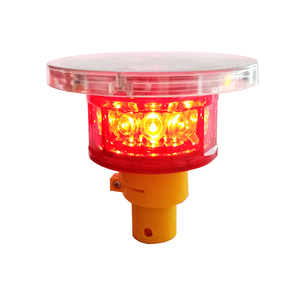
Solar Warning LED Yellow Traffic Signal Light
Aluminium alloy and UV-stabilized PC shell. Designed for perpetual flashing at arterial median openings, tollways, and junction heads.
Technical Specs
Tested under rigorous tropical humidity and continuous vibration conditions. Explore our heavy-duty portfolio available for direct shipping to Tanjung Priok Port, Jakarta.
Aluminium alloy and UV-stabilized PC shell. Designed for perpetual flashing at arterial median openings, tollways, and junction heads.
Technical Specs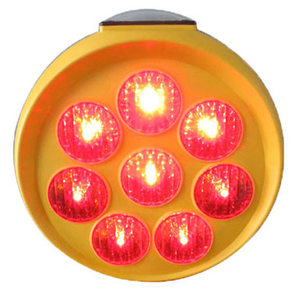
Compact 8-LED radial distribution beacon. Ideal for construction perimeter safety, crash barrier posts, and road cones.
Technical Specs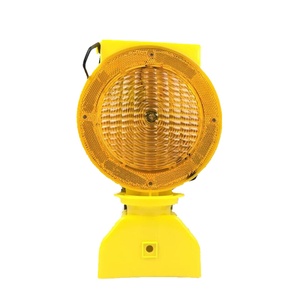
Dual-sided high-intensity polycarbonate optics. Seamlessly integrates with temporary roadwork barriers and traffic drums across urban worksites.
Technical Specs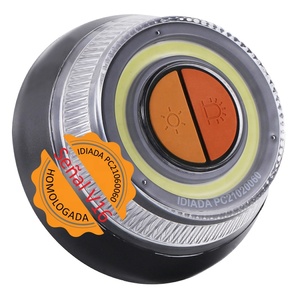
40CD-80CD high-visibility 360-degree roadside flare. Magnetic roof mounting for rapid maintenance utility deployment and municipal service fleets.
Technical Specs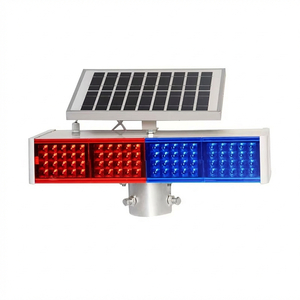
Corrosion-resistant die-cast housing with integrated reflective optics. Engineered for expressway toll plazas and elevated ring-road curves.
Technical Specs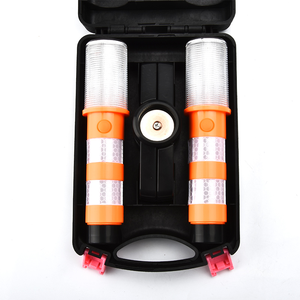
Industrial 3M prismatic reflective casing with heavy magnetic adhesion. Provides swift modular diversion warning on industrial rail and dock corridors.
Technical Specs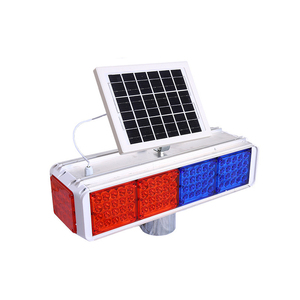
High-candela dual chromatic strobe delivering emergency command visibility. Designed for highway law enforcement checks and sudden diversion zones.
Technical Specs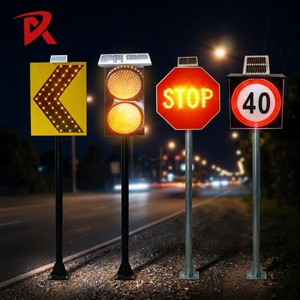
Dynamic chevron sequencing for sharp expressway ramps, tight overpass curves, and flyover lane splits under monsoon cloud cover.
Technical SpecsImplementing off-grid solar-powered traffic signaling in DKI Jakarta and the Greater Jabodetabek Area presents distinct physical and electrochemical challenges rarely addressed by standard catalog hardware. As one of the world's most congested and densely populated metropolises, Jakarta experiences severe grid volatility, intense microclimates, prolonged periods of diffused monsoon irradiation, and high concentrations of airborne corrosive particulates. For civil engineers, EPC contractors, and municipal planners operating under the Indonesian Ministry of Transportation (Kementerian Perhubungan) and local Dishub specifications, selecting the right solar traffic blinker involves balancing photovoltaic absorption, thermodynamic endurance, and optical candela dispersion.
A resilient solar blinker system must guarantee continuous flashing operation through a minimum of 5 to 7 overcast days (the standard Indonesian wet season autonomy benchmark) while preventing thermal degradation within sealed enclosures when daytime ambient temperatures reach 36°C with 90%+ relative humidity.
Integrated A-grade monocrystalline silicon modules achieve up to 22.4% cell efficiency, calibrated specifically to harvest energy in low-lux conditions caused by equatorial smog and prolonged monsoon cloud cover.
Moving beyond degraded valve-regulated lead-acid (VRLA) batteries, our systems deploy Lithium Iron Phosphate (LiFePO4) storage chemistry engineered to operate up to 60°C without risk of thermal runaway or rapid capacity fade.
Equipped with embedded pulse-width modulation (PWM) daylight sensors that dynamically increase strobe intensity to punch through midday glare, while reducing power output at night to prevent driver blinding and preserve reserve autonomy.
From toll roads operated by PT Jasa Marga to complex arterial bottlenecks, solar traffic signal blinkers provide zero-trenching hazard demarcation. Infrastructure developers avoid costly pavement disruption, grid permitting delays, and operational blackouts during regional transformer overloads.
On elevated highways such as the Jakarta Outer Ring Road (JORR) and Sheikh Mohammed bin Zayed (MBZ) Skyway, high-intensity amber flashing blinkers and directional solar chevrons give fast-moving traffic early notice at blind exits, divergent medians, and maintenance chicanes without requiring complex conduit runs along bridge girders.
Dedicated bus rapid transit lanes frequently cross mixed traffic corridors. Solar amber and red warning signals mounted at BRT gate approaches and zebra crosswalks give drivers unambiguous priority signals, helping prevent sideswipe collisions along Jalan Sudirman and Jalan Gatot Subroto.
Heavy container throughput in the Tanjung Priok Port terminals and nearby logistics corridors in Marunda requires rugged warning devices. Marine-grade IP66 aluminum signal enclosures resist coastal salt-fog corrosion while directing heavy-vehicle movements around loading bays and level rail crossings.
Contractors in Jakarta often encounter cheap consumer-grade blinkers that fail after the first heavy rainfall. Below is an engineering evaluation contrasting our specifications against common regional market alternatives.
| Performance Parameter | Enpowers Industrial Spec | Standard Low-Cost Competitor | Direct Impact on Jakarta Sites |
|---|---|---|---|
| Enclosure Engineering | Die-Cast LM6 Grade Aluminum & Virgin GE Lexan PC with Anti-UV coating | Recycled ABS Plastic or thin stamped sheet steel with basic paint | Prevents yellowing, cracking, and water leaks caused by equatorial UV and acidic tropical rain. |
| Battery Chemistry & Life | LiFePO4 with smart BMS; rated for >2,500 charge cycles | Sealed Lead-Acid (VRLA); fails in 300–500 cycles under heat | Eliminates frequent battery swaps on elevated expressway poles; lowers life-cycle OPEX by over 60%. |
| Monsoon Autonomy Range | 5 to 7 full sunless days (120+ operating hours reserve) | 1 to 2 days maximum; drains quickly in extended storms | Keeps critical warnings running through Jakarta's November-February monsoon low-pressure systems. |
| Luminous Intensity & Optics | >8,000 mcd per LED with wide-angle Fresnel optical collimator | Standard domestic LEDs (<3,000 mcd) behind clear plastic | Ensures visibility beyond 1,000 meters in heavy tropical rainstorms and night smog conditions. |
| Certifications & Standards | Complies with NHAI, PWD, EN 12352, and AASHTO guidelines | No documented photometric or environmental certification | Accelerates project sign-offs for public tenders, state infrastructure, and international funding audits. |
As the Indonesian government progresses toward its decentralized administrative blueprint while maintaining Jakarta as the core commercial capital, traffic infrastructure is experiencing rapid modernization. Three structural trends are driving procurement toward high-specification solar traffic signaling:
1. Accelerated Adoption of Standalone Solar Micro-Infrastructure: Municipal authorities are increasingly reluctant to approve trenching across newly laid asphalt for mains traffic lights. Standalone solar traffic blinkers allow rapid installation within two hours per pole, avoiding lane closures, street-excavation permits, and disruptions to heavy commuter flows.
2. Tightening Environmental Resiliency Standards: With climate models pointing to more intense rainfall events across Java, civil engineering tenders now mandate higher IP ratings (IP65 minimum, IP66 for coastal belts) and salt-spray resistance (ASTM B117 standards). Contractors using non-certified hardware risk financial penalties and non-acceptance during audit handovers.
3. Smart Integrated Highway Safety: Road projects are transitioning toward networked warning devices. Our research and development center prepares solar blinkers for GPS-synchronized flash sequences across multiple consecutive median beacons, creating clean visual warning paths for high-speed expressways without interconnecting data cables.
Clear, direct answers regarding customs, logistics to Jakarta, tender compliance, and field installation parameters.
Standard export orders are packed in heavy-duty sea crates and shipped directly from our primary factory facility. Sea freight transit times to Tanjung Priok generally range between 12 to 18 days, with complete export documentation (Bill of Lading, Certificate of Origin, Packing List, and Factory Test Certificates) provided for seamless customs clearance under Indonesian HS Code classifications.
Yes. As a direct manufacturer, we regularly customize lens diameters (200 mm and 300 mm aspect heads), flash rates (adjustable between 40 to 60 flashes per minute), amber/red color spectrums, and bracket mounts to align with local technical requirements issued by Dinas Perhubungan (Dishub) or Direktorat Jenderal Bina Marga.
Every solar traffic blinker configured for Indonesian export is paired with an oversized photovoltaic solar array and custom LiFePO4 battery storage sized to deliver 5 to 7 days of autonomy. This guarantees steady, uncompromised flashing visibility even through prolonged tropical rainstorms and continuous heavy cloud cover.
All blinker models can be supplied as fully integrated, plug-and-play modules. Signal heads, internal MPPT/PWM charge controllers, pre-wired battery packs, and mounting brackets arrive factory-assembled. Installation crews only need to mount the universal bracket onto standard 2.5" to 4" steel poles and tighten the locking bolts.
With an established presence across 20+ countries, our manufacturing facility engineers safety products to strict road authority criteria—including NHAI, PWD, BRO, and international EN/AASHTO safety standards. We control every stage of production: die-casting aluminum housing, assembling surface-mount LEDs, programming smart charge controllers, and running rigorous salt-fog and water ingress testing.
Working directly with the factory gives contractors and regional distributors several clear advantages over local intermediaries:
Direct supply eliminates middlemen markups, giving EPC contractors a competitive bidding edge on public tenders and private toll road packages across Jakarta.
We supply complete engineering drawings, photometric polar plots, IES/luminaire test reports, and factory material certifications needed to secure quick consultant sign-off.
Tested across demanding highway networks, mountain bypasses, and coastal logistics ports, our signal blinkers deliver an MTBF exceeding 50,000 operational hours.
Connect directly with our engineering export sales desk for detailed datasheets, photometric files, localized CIF Jakarta shipping quotes, or customized tender configurations.