Export Sales: +91 96012 58123 [email protected] Exporting to 20+ Countries
Direct Industrial Supply to Caucasus & Caspian Corridors

Solar Traffic Blinker Set Supplier & Exporter in Azerbaijan

Autonomous, high-candela optical safety warning systems engineered for the Caspian maritime climate, high-altitude Caucasus passes, and transnational highway arteries across Azerbaijan.

20+
Global Export Destinations
IP65+
Enclosure Ingress Protection
120h
Continuous Autonomy (Autarky)
100%
Factory Batch Photometric Tested
Precision Optical Infrastructure

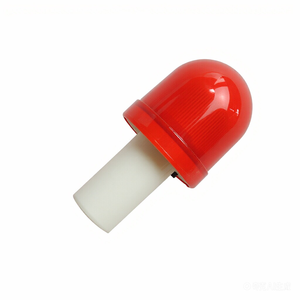
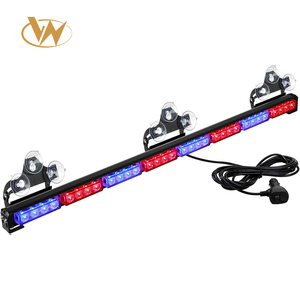
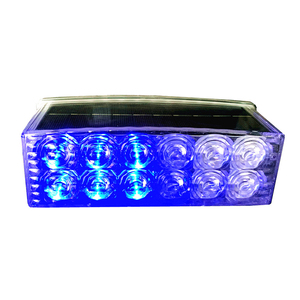
Standard & Heavy-Duty Solar Warning Blinker Inventory

Engineered for instant deployment without utility trenching, substation interconnects, or ongoing grid operational expenses.

Regional Engineering Imperative

Resilient Photovoltaic Traffic Solutions across Azerbaijan

Azerbaijan occupies a vital nexus in Eurasian transport logistics, anchored by the North-South Transport Corridor and the East-West Middle Corridor (Trans-Caspian International Transport Route). As multimodal freight traffic multiplies between Baku International Sea Trade Port (Alat), Ganja, Sumqayit, and border transit points toward Georgia and Türkiye, modernizing roadside optical hazard signaling has evolved into an urgent safety priority.

Supplying road infrastructure hardware to the Republic of Azerbaijan requires rigorous accommodation of distinct geographic microclimates. Coastal zones along the Absheron Peninsula face persistent Caspian Sea saline mist, high ambient humidity, and fierce north-westerly Khazri gales carrying abrasive particulate dust. Concurrently, interior arteries extending through the Greater Caucasus and Karabakh economic regions experience sub-zero winter blasts, dense mountain fog, and prolonged low-irradiance periods.

Critical Specification Note: Conventional commercial solar warning units routinely fail along the M2 highway or Baku-Guba corridor due to battery capacity degradation in freezing temperatures and optical lensing embrittlement from aggressive UV exposure and marine salts.

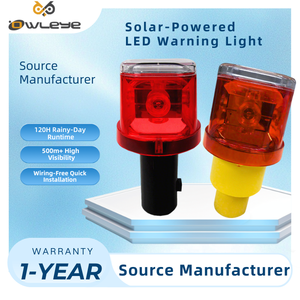
Our solar traffic blinker systems address these engineering vulnerabilities directly. Sealed inside hermetic, UV-stabilized polycarbonate or pressure die-cast aluminium enclosures rated IP65/IP66, our blinker units deploy high-efficiency monocrystalline PV modules coupled with deep-cycle Lithium Iron Phosphate (LiFePO4) storage chemistry engineered to sustain steady output from -25°C to +65°C.

Solar Traffic Signal Blinker Light Pole Installation Overview
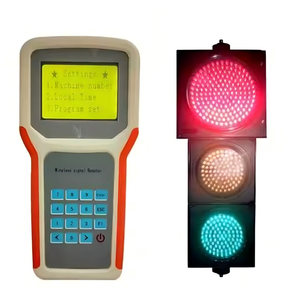
Solar Traffic Signal Blinker Operational Field View
Infrastructure Modernization

Strategic Applications Across Azerbaijan's Road Network

Azerbaijan’s State Agency of Automobile Roads (AAYDA) continues extensive reconstruction and dual-carriageway expansion initiatives. Deploying autonomous solar-powered warning systems delivers substantial economic advantages over conventional grid-tied AC signals across remote corridors:

1. Mountain Pass Curvature & Gradient Signage: Mountainous highways navigating the Lesser and Greater Caucasus (such as the Shamakhi-Ismayilli route or corridors leading to Shusha and Lachin) feature complex hairpin geometry. Solar chevron lights and flashing amber beacons alert heavy transport vehicles long before blind switchbacks, even during severe alpine blizzards.

2. Oil & Gas Petrochemical Corridors: Heavy-haul transport routes serving offshore staging hubs, pipelines, and industrial complexes in the Absheron and Garadagh districts require uninterrupted, spark-free warning lights at median crossings, pipeline intersecting overpasses, and chemical terminal gates.

3. Rural Highway Intersections & Speed Reductions: Long rural stretches often lull commercial drivers into highway hypnosis. Strategically installed amber flashing blinkers over pedestrian crossings and rural village ingress roads drastically reduce catastrophic rear-end and T-bone collisions.

Targeted Infrastructure Deployment

Azerbaijan Deployment Profiles

Pre-configured optical signaling packages matched to precise project blueprints and roadway authority tenders.

Motorway Median Openings

Integrated amber flashing beacon sets placed at official turnaround cuts along high-speed dual carriageways like the M1 (Baku-Yalama) to alert fast-lane drivers of decelerating heavy machinery.

Work Zone Traffic Routing

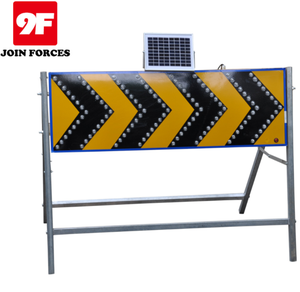
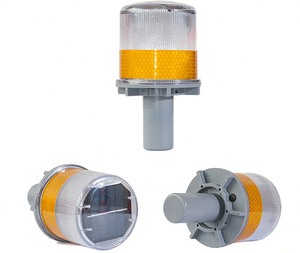
Temporary, skid-mountable solar directional arrow boards and beacon cones safeguarding resurfacing teams on urban bypass projects around Baku, Ganja, and Mingachevir.

Port & Customs Terminal Gates

Continuous-duty red/amber barrier signals installed at the Port of Baku (Alat) cargo gates, rail intermodal yards, and customs border terminals with Georgia, Russia, and Iran.

Unsignalized Rural Junctions

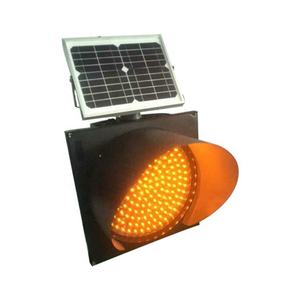
Stand-alone flashing amber warning beacons for isolated rural crossroads across the Shirvan plain where extending medium-voltage transmission infrastructure is economically unviable.

Caucasus Alpine Hairpin Turns

Cascading solar chevron warning systems delivering sequential directional flashing to guide tourist and freight transport safely along mist-shrouded mountain grades.

Industrial Refineries & Logistics Hubs

Heavy-duty strobe warning units installed along perimeter fencing, internal railway crossings, and fuel loading terminals across the Absheron peninsula industrial parks.

Precision Manufacturing Data

Engineering Specifications for Azerbaijan Tenders

Compare our core export configurations built to fulfill AAYDA requirements and international CE / EN 12352 standards.

Performance Parameter Standard Highway Configuration Heavy-Duty Alpine / Coastal Build Operational Significance for Contractors
Aspect Optical Diameter 200 mm (8 Inches) 300 mm (12 Inches) Ensures clear target recognition from >800 m at 110 km/h cruising velocities.
Photometric Luminous Intensity >450 Candela (Amber) >850 Candela (Ultra-Bright Class L8H) Penetrates thick Caspian sea mist, mountain fog, and intense direct midday sunlight.
Photovoltaic Module Rating 15W Monocrystalline (A-Grade) 30W / 40W High-Efficiency Monocrystalline Accelerates reserve bank charging even under diffuse overcast winter solar angles.
Energy Storage Chemistry 12V 12Ah Sealed Valve-Regulated (VRLA) 12.8V 18Ah / 24Ah LiFePO4 Lithium LiFePO4 delivers 2,500+ charge cycles and functions reliably down to -20°C without freeze damage.
System Autonomy (Autarky) 72 Hours Continuous Flashing 120+ Hours (5 to 7 Days Zero Sun) Guarantees safety compliance through prolonged Caucasian winter storms without blackout.
Housing & Ingress Rating UV-Stabilized Engineering Polycarbonate (IP65) Corrosion-Resistant Die-Cast Aluminium (IP66) Prevents casing warping from high UV and resists saline atmospheric rust in coastal zones.
Flash Rate & Duty Cycle 40 - 50 Flashes/min (PWM Controlled) User Selectable (30–60 FPM, Double Pulse) Meets standard road safety signaling regulations while reducing power draw.
Proven Manufacturing Excellence

Why International Contractors Source from Our Factory

Eliminate intermediary trading margins. Partner directly with an established engineering plant dedicated to road safety illumination.

Integrated Manufacturing Plant

Headquartered in Ahmedabad, Gujarat, India, our specialized facility controls every stage in-house: from surface-mount LED driver assembly to final photometric intensity verification.

Tender Specification Mapping

Our engineering team reviews project BOQs and client specifications line-by-line, matching lens aspects, bracket dimensions, and battery autonomy directly to national road standards.

Export-Grade Heavy Packaging

Every consignment is protected by reinforced moisture-barrier wrapping, heavy-ply outer cartons, and export-grade fumigated wooden crates built for ocean freight to Poti or overland rail to Baku.

Track Record in 20+ Countries

Proven reliability on premier national highway developments, border routes, and industrial toll plazzas across Central Asia, the Middle East, Europe, and Africa.

Procurement & Technical Support

Frequently Asked Questions for Azerbaijan Imports

Crucial guidance for commercial procurement managers, EPC contractors, and road safety engineers.

How do your solar traffic blinkers withstand Caspian coastal salinity and Baku dust storms?

Our export units destined for the Absheron Peninsula and Caspian maritime corridor are configured with UV-stabilized virgin polycarbonate or chromate-treated, powder-coated pressure die-cast aluminium enclosures. Internal electronic PCB assemblies undergo multi-layer conformal coating that seals circuits against salt-fog corrosion, galvanic oxidation, and microscopic silica dust ingress, ensuring flawless IP65/IP66 barrier integrity.

What battery technology is used to survive freezing temperatures in the Caucasus Mountains?

For projects deployed in mountainous sectors like Shamakhi, Quba, or Kalbajar, we provide cold-rated Lithium Iron Phosphate (LiFePO4) or specialized gel-electrolyte VRLA storage banks equipped with intelligent low-temperature charge cutoff circuitry. This prevents internal lithium plating or electrolyte freezing, sustaining continuous flashing performance even when regional temperatures plummet to -20°C.

Can your blinker sets be customized to meet AAYDA or European EN 12352 specifications?

Yes. As a primary manufacturer, we calibrate optical lens diameter (200 mm or 300 mm), lens pigmentation (amber, red, green), diurnal automatic dimming thresholds, flash sequences, and mounting clamp diameters (50 mm to 114 mm) to match the exact tender drawings and road traffic codes specified by Azerbaijani road authorities or EPC joint ventures.

What logistics routes and transit durations are typical for shipping from India to Azerbaijan?

Consignments depart from ports like Mundra or Nhava Sheva (India) and typically transit via Bandar Abbas (INSTC corridor overland to Astara, Azerbaijan) or via ocean freight to Poti/Batumi (Georgia) followed by rail/truck dispatch directly to Baku customs clearance terminals. Standard ocean-overland transit averages 25 to 35 days, with comprehensive bill of lading, certificates of origin, and packing documentation included.

How does an autonomous solar blinker compare economically against grid-tied AC signals?

Across remote or newly developed highway corridors in Azerbaijan, connecting a warning blinker to the electrical utility grid entails transformer installations, cabling trenching across road pavements, administrative permits, and ongoing monthly utility metering fees. A solar blinker set eliminates all utility connection charges, installs within two hours on a standard pole, and operates with near-zero running cost for years.

Equip Your Road Project in Azerbaijan with Certified Safety Blinkers

Submit your tender BOQ, engineering drawings, or quantity specifications directly to our technical export team. We deliver custom configurations, photometrics, and comprehensive CIF Baku commercial proposals within 24 hours.

Get a Quote
Online Enquiry Contact Sales