
Precision-molded polycarbonate and aluminum housings integrated with high-efficiency monocrystalline solar modules, ultra-bright LED optics, and smart charge control units tailored for harsh field deployment.

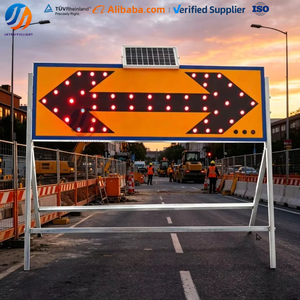
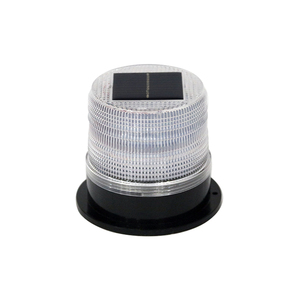

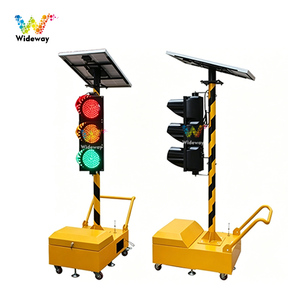

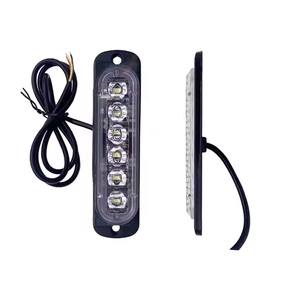
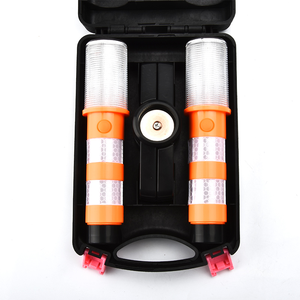
Highway development across India has surged under the Bharatmala Pariyojana and extensive national highway expansion programs led by the National Highways Authority of India (NHAI), State Public Works Departments (PWD), and the Border Roads Organisation (BRO). These sprawling infrastructure developments require strict compliance with IRC:SP:84, IRC:67, and MoRTH Section 800 guidelines, which outline the optical, electrical, and mechanical mandates for solar-powered traffic control devices.
As a seasoned OEM/ODM solar traffic signal blinker manufacturer, our engineering framework directly resolves the unique stressors of the Indian subcontinent: prolonged high-temperature exposure (+50°C summer conditions), severe monsoonal humidity, heavy airborne particulate matter (PM10/PM2.5), and corrosive atmospheric salts along extensive coastline projects. Whether deployed as a stand-alone 300 mm amber solar blinker at an unsignalized rural median opening or as synchronized chevron lights flanking treacherous hill passes in Jammu & Kashmir or Himachal Pradesh, our systems are built with uncompromised thermal dissipation and high-candela optical lenses.
Equipped with smart charge controllers providing up to 96% solar tracking efficiency, ensuring steady 40-50 flashes per minute across 5 to 7 consecutive sunless monsoon days.
UV-stabilized polycarbonate and die-cast aluminum enclosures fitted with EPDM silicone gaskets to permanently block severe dust penetration, torrential rain, and vehicle wash spray.
Custom-tooled Fresnel lenses paired with precision Taiwan/Epistar LED chips produce a visibility cone exceeding 800 meters under bright midday sun, heavy dust, or dense winter fog.
India’s transport ecosystem requires contextualized hardware solutions. Standard consumer-grade solar blinkers fail rapidly when exposed to the varied environmental pressures of different regional corridors. Our localized design approach supports specific operational contexts across tier-1 infrastructure projects:
| Application Sector | Predominant Operating Region | Typical Configuration | Critical Engineering Requirement |
|---|---|---|---|
| National Expressways & Corridors | Golden Quadrilateral, Western DMIC, Southern Expressways | 300 mm Amber Flasher (Solar / AC hybrid), pole-mounted | Extended 800m daytime recognition, auto-dimming night sensor, robust surge protection |
| Hilly Passes & High Altitude | Ladakh, Himachal Pradesh, Uttarakhand, Northeast States (BRO) | Solar Chevron Guide Signs, Synchronized Flashing Red/Amber | Sub-zero LiFePO4 battery management (-20°C operating window), rugged structural wind resistance |
| Highway Construction & Diversions | EPC Highway Packages, Bypass Projects, Flyover Constructions | Mobile RF-Linked Solar Lights, Magnetic Vehicle Beacons | Impact-resistant housing, rapid magnetic deployment, 200m–800m master/slave wireless link |
| Toll Plaza Approaches | State and National Highway Concessions | Bi-Directional Red/Green Plaza Strobe, Overhead Slow Blinkers | Dual-color switching circuit, heavy vibration isolation, high duty-cycle longevity |
| Coastal Industrial Ports | Gujarat (Kandla, Mundra), Maharashtra (JNPT), Tamil Nadu | Corrosion-Proof Heavy-Duty Enclosure Signals | Marine-grade powder-coated aluminum, stainless hardware, salt-mist corrosion protection |
By adjusting photovoltaic panel wattage (ranging from 10W to 40W monocrystalline modules) and pairing them with high-density Lithium Iron Phosphate (LiFePO4) energy packs, we eliminate the costly downtime associated with traditional lead-acid systems. These configurations maintain uninterrupted 24/7 or night-only duty cycles across all climatic zones.
The modernization of India's transport infrastructure is accompanied by stringent quality audits and evolving tender terms. Concessionaires, EPC contractors, and traffic system integrators are actively transitioning away from fragmented regional assemblers toward certified OEM/ODM facilities capable of providing validated photometric and electrical test certifications.
Key technological shifts currently reshaping procurement include:
Key operational questions and engineering parameters commonly evaluated by Highway Project Directors, Chief Engineers, and Procurement Leads:
Direct factory pricing, comprehensive technical compliance support, and tailored OEM/ODM capacity for road safety concessionaires, civil contractors, and municipal authorities.
Get a Quote