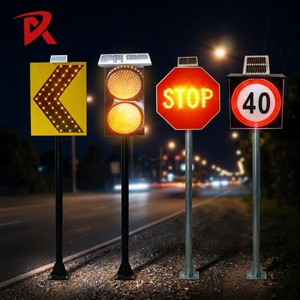
Traffic Arrow Solar LED Warning Directional Chevron Sign
IP65 Waterproof
Directional Pulse
High-Lux LEDs

Engineered for low-lux maritime solar capture, IP65+ ingress resistance, and non-stop operational autonomy during prolonged overcast Dutch winters.
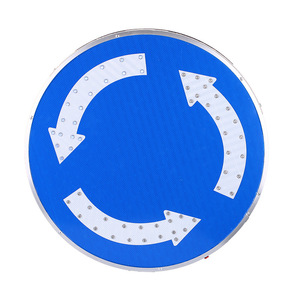
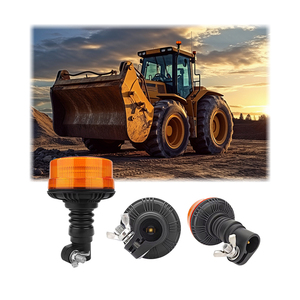
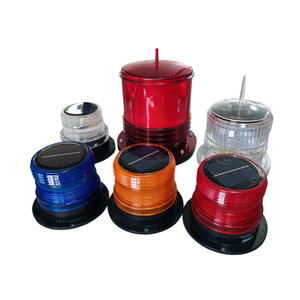
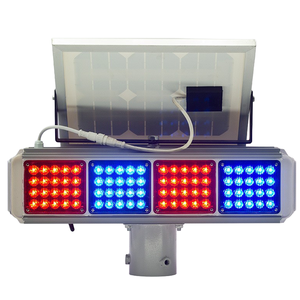
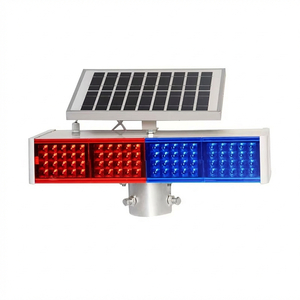
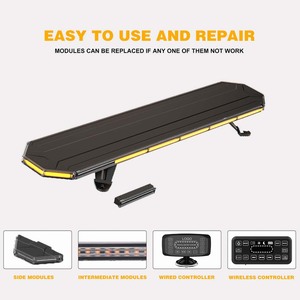
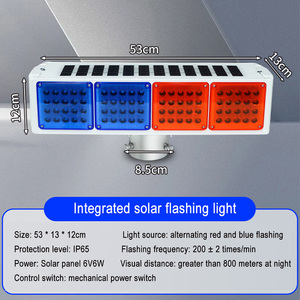
Overcoming the operational hazards of low solar irradiation (52°N latitude), high humidity, and strict Rijkswaterstaat environmental requirements.
The Netherlands experiences an average of under 1.5 peak sun hours per day during the winter months (November to February). Standard off-the-shelf solar blinkers fail within 72 hours due to inadequate solar-to-battery dimensioning. Our custom OEM modules integrate high-efficiency mono-crystalline PV elements combined with MPPT controllers calibrated to start power harvesting at diffuse lux levels below 200W/m².
With coastal winds blowing from the North Sea and extensive freshwater waterways (IJsselmeer, Rhine-Meuse delta), moisture and saline aerosol accelerate electrochemical oxidation. Our enclosures utilize marine-grade aluminum alloys treated with anodic conversion coatings and UV-stabilized polycarbonate lenses rated IK10 to prevent embrittlement under frost and North Sea wind gusts.
Dutch road safety protocols administered by municipal authorities and Rijkswaterstaat mandate strict luminous intensity, photometric dispersion, and flash duty cycles under EN 12352 (Classes L2H, L8H, and L8L). Our custom circuits allow precise software configurations of pulse duration (e.g., 60 FPM, 10% duty cycle) to guarantee compliance without consuming unnecessary energy.
A granular look at the technical architecture separating generic imports from project-grade European installations.
| Component Architecture | Standard Tropical Specification | Enpowers Netherlands OEM Specification | Direct Operational Benefit |
|---|---|---|---|
| Photovoltaic Matrix | Polycrystalline (15% Efficiency) | A+ Grade Monocrystalline (22.8% Low-Irradiance) | +45% energy intake during cloudy Dutch overcast skies |
| Battery Chemistry | Standard SLA / Basic Li-ion (0°C cutoff) | LiFePO4 with Low-Temp Thermal Pre-Heating | Continuous operation down to -20°C with 3,000+ cycle life |
| Autonomy Reserve | 3 to 5 Days | 12 to 18 Continuous Sunless Days | Eliminates outage blackouts through the darkest winter cycle |
| Optical Performance | Unfocused Nichia / Generic LEDs | Fresnel Engineered OSRAM/Cree Lenses (EN 12352 Class L8H) | Zero direct-driver glare with >1,500m daytime hazard legibility |
| Housing Protection | Standard ABS or IP54 Pressed Metal | Die-Cast Marine Al-Alloy + Fluorocarbon Finish (IP66, IK10) | Resistant to road de-icing salt sprays and heavy coastal humidity |
| Mounting Hardware | Generic sheet U-bolts | 316 Stainless Steel Banding & 76mm Dutch Pole Clamps | High-shear wind load resistance across North Sea open polders |
From the Port of Rotterdam logistics hubs to North Holland coastal floodworks, see where our warning units safeguard operations.
Barge terminal approach signals, lock maintenance perimeters, and canal bridge warning flashers. Our IP68 sealed marine-grade amber and red strobes withstand constant wash-down, aggressive diesel particulates, and salty brackish water.
Unlit secondary highways in provinces like Flevoland, Zeeland, and Gelderland require chevron markers and blinking amber flashers at hairpin polder curves and blind intersections where grid connectivity would require trenching through dykes.
High-speed cycling superhighways throughout Utrecht and Amsterdam require rapid, visual driver warning. Solar flashing studs and amber pulse signs signal pedestrian and cycle right-of-way without municipal grid installation costs.
Highway contractors resurfacing arterial highways (A1, A2, A4) utilize our magnetic rooftop strobes, solar arrow direction boards, and quick-mount beacon beacons for high-visibility diversion barriers compliant with Dutch work zone directives.
Strategic technology investments aligning with Dutch climate goals and smart mobility frameworks.
Dutch tenders increasingly assess the Environmental Cost Indicator (Milieukostenindicator - MKI). We engineer our solar warning housings from fully recyclable cast aluminum and modular snap-in circuit boards, enabling localized repairs and reducing lifecycle carbon footprints below conventional grid systems.
The modernization of the Dutch Talking Traffic network demands signaling products capable of IoT handshakes. We offer optional NB-IoT and LoRaWAN integrations inside our solar housings, transmitting battery voltage, solar input, and operational status directly to traffic management dashboards.
With aggressive emissions targets (Stikstofcrisis policy), Dutch contractors face strict diesel-generator bans on infrastructure worksites. Solar-powered blinkers, arrow boards, and warning lights represent an indispensable, zero-emission solution that fulfills both environmental audits and road safety standards.
Combining world-scale in-house manufacturing control with rapid European tender customization capabilities.
With an export footprint spanning more than 20 countries, our facility in Ahmedabad produces ruggedized, mission-critical equipment compliant with international NHAI, PWD, BRO, and European project requirements without third-party middleman markups.
Send us your specific tender drawings, luminous intensity guidelines, or municipal mounting brackets. We tailor battery amp-hours, optical beam spread, housing RAL powder-coating, and flash rate frequencies to fit exact regional specs.
Each unit undergoes end-to-end quality validation: photometric lumen measurement, 72-hour thermal stress screening (-20°C to +60°C), IPX6 water penetration spray testing, and drop resistance before final container sealing and dispatch.
We provide complete export documentation, including UN38.3 lithium battery safety certifications, CE declarations of conformity, commercial invoices, and seaworthy heavy-duty packaging ready for seamless Dutch customs release.
Everything you need to know regarding compliance, winter reliability, lead times, and customs clearance.
Yes. For systems destined for the Netherlands and Northern Europe, we modify the solar-to-battery ratio. Instead of the standard 3–5 days of autonomy, we configure LiFePO4 battery storage and monocrystalline PV panels to provide 14 to 18 days of continuous operation without direct sunlight, ensuring completely uninterrupted flashing throughout November, December, and January.
Our warning light series can be configured and certified to meet European standard EN 12352 classes (such as L2H and L8H for warning beacons). Optical assemblies, luminous output, day/night auto-dimming transitions, and flash frequencies are pre-programmed at the factory to match the specific guidelines required by your municipal or national road authority.
Absolutely. Most Dutch installations mount on standardized 48mm, 60mm, or 76mm tubular steel posts or Unistrut channels. We supply precision-fabricated 304 or 316 stainless steel mounting clamps and anti-tamper hardware tailored exactly to the pole profiles specified in your engineering drawings.
Typical ocean freight transit from Nhava Sheva (Mumbai) to the Port of Rotterdam ranges from 24 to 32 days, depending on shipping line routing. For urgent highway works or prototype validation, we ship expedited air cargo directly to Amsterdam Schiphol Airport (AMS) within 5 to 7 business days.
All units delivered to the European Union are provided with complete technical dossiers, including CE Declaration of Conformity, RoHS testing, and UN38.3 test summaries alongside MSDS documents for lithium batteries, ensuring zero clearance delays with Dutch customs authorities (Douane).