
Engineered for industrial safety contractors, municipal traffic authorities, and civil engineering infrastructure projects across Singapore, Malaysia, and Southeast Asia.
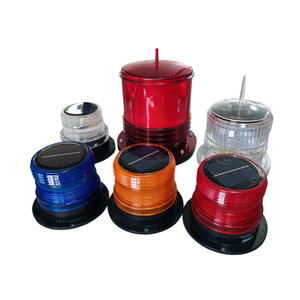
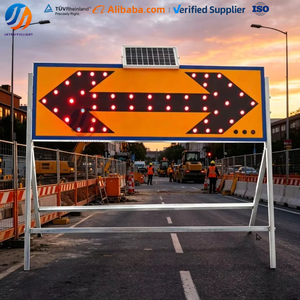
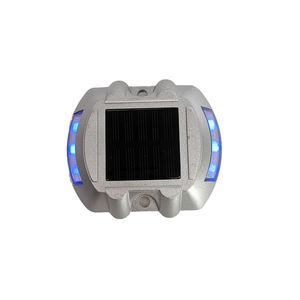
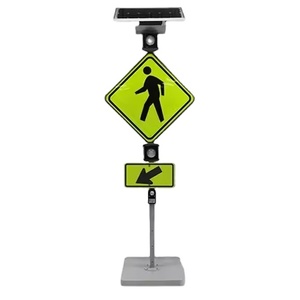
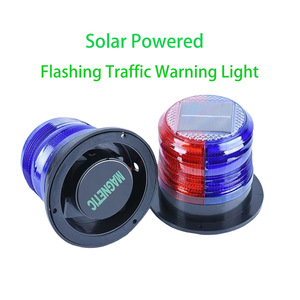
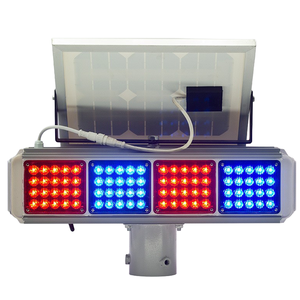
Operating solar-powered electronics in Singapore requires engineering tailored for Köppen climate classification Af (tropical rainforest climate). While the island nation enjoys abundant solar irradiation averaging approximately 4.5 kWh/m²/day, it simultaneously presents severe operational challenges: persistent ambient humidity levels exceeding 85% to 95%, intense ultraviolet index (UVI) levels peaking above 11 daily, and torrential monsoon downpours where rainfall can exceed 100 mm per hour.
Standard off-the-shelf blinking lights built with generic ABS housings and standard lead-acid batteries fail prematurely in this environment. Thermal trapping inside inferior housings accelerates electrolyte dry-out in lead-acid cells, causing battery degradation within 6 to 9 months. Furthermore, unprotected optical lenses suffer rapid yellowing and micro-crazing due to severe UV photodegradation, drastically reducing candela output and failing Land Transport Authority (LTA) visibility thresholds.
Equipped with Lithium Iron Phosphate (LiFePO4) battery cells featuring integrated Battery Management Systems (BMS). Rated for sustained thermal thresholds up to +65°C without thermal runaway, offering 2,500+ deep discharge cycles.
Molded with pure Bayer Makrolon UV-stabilized virgin polycarbonate or corrosion-proof cast aluminum alloys. Dual EPDM rubber compression gaskets and Gore-Tex breathing valves prevent internal condensation under severe downpours.
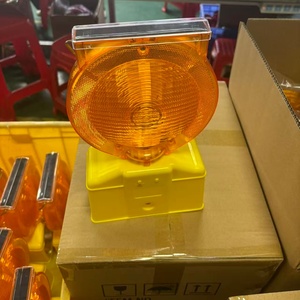
Precision Fresnel refraction lenses combined with automotive-grade Osram/Epistar 590nm amber LEDs. Delivers an intense, focused horizontal beam exceeding 800 candelas while maintaining full EN 12352 / BS 3143 Class L8H photometric standards.
Singapore's Land Transport Authority (LTA) maintains strict guidelines regarding road safety furniture, visual warning beacons, and temporary traffic control zones (as outlined in the Code of Practice for Temporary Traffic Control on Roadways). Solar amber blinker lights eliminate the complex trenching, underground conduit piping, and power tapping required for mains-powered AC signals—making them essential across diverse domestic settings:
Installed along critical deceleration slip roads and merges on the Pan Island Expressway (PIE), Central Expressway (CTE), and Marina Coastal Expressway (MCE). Continuous amber flashing provides clear visual warnings to high-speed motorists entering sharp curves or tunnel transitions.
Specialized hazardous heavy-vehicle corridors on Jurong Island demand explosion-resistant, spark-free solar beacons. Flashing amber beacons guide heavy prime movers, chemical tankers, and terminal vehicles around narrow blind spots and rail-crossing intersections.
As the primary hub for global container shipping, Tuas Port operates 24/7. High-intensity solar blinkers mark automated guided vehicle (AGV) crossing zones, container yard access chokepoints, and coastal wharf perimeter safety zones exposed to high-salinity marine winds.
To protect senior citizens and young students within residential estates such as Bukit Merah, Bedok, and Woodlands, solar pedestrian flashers integrate with push-button activation or continuous slow-pulse warning systems to enforce 40 km/h speed restrictions.
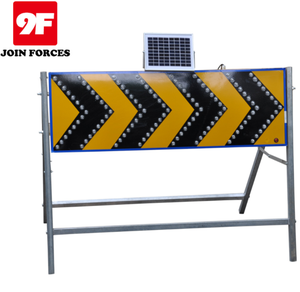
Extensive civil excavation for the Cross Island Line (CRL) and Thomson-East Coast Line (TEL) necessitates temporary road diversions. Portable solar amber barricade blinkers and synchronized directional chevron guides provide rapid, off-grid lane closure delineation.
Singapore’s coastlines, river locks (such as Marina Barrage), and private marinas require self-contained IP68 marine amber and red solar navigation flashers to guide small workboats, service barges, and pleasure crafts along navigation canals.
Under the Singapore Green Plan 2030, government agencies are aggressively transitioning public utility systems away from high carbon footprints toward decentralized, renewable zero-emission power architectures. Solar amber blinker lights contribute directly to these sustainability goals. By replacing grid-powered incandescent or legacy discharge lamps with ultra-efficient, solar-powered LED flashers, municipal contractors eliminate recurring carbon electricity bills and subterranean copper cabling works.
Furthermore, as part of Singapore's Smart Nation initiative, modern road warning networks are evolving beyond standalone blinking units. OEM factories are increasingly integrating IoT-enabled wireless mesh communication modules (using Sub-1GHz RF or LoRaWAN protocols). This allows a series of 10 to 30 solar amber chevron lights along a bend on Mount Faber or Mandai Road to blink in a coordinated wave sequence, giving drivers a dynamic, intuitive visual guide through hazardous road geometries. Integrated ambient light photodiodes automatically regulate pulse-width modulation (PWM) intensity—providing maximum brightness during daytime sun glare, and gently dimming at night to prevent dangerous driver blinding.
When evaluating traffic safety procurement tenders in Singapore, civil engineers and project directors must weigh operational capital, installation logistics, and total cost of ownership (TCO). Below is an objective technical comparison between custom factory-engineered solar blinkers and legacy grid-connected fixtures:
| Evaluation Parameter | OEM Solar Powered Amber Blinker | Legacy AC 230V Mains Blinker | Singapore Impact / Benefit Analysis |
|---|---|---|---|
| Cabling & Trenching | Zero Trenching; 100% Autonomous Off-Grid | Requires Underground Conduits & Cable Pulling | Eliminates costly road-cutting permits and underground utility scanning. |
| Installation Time | Under 30 Minutes (Pole/Barrier Clamping) | 3 to 7 Days (Civil works, EMA grid connection) | Rapid deployment for fast-moving LTA roadworks and emergency diversions. |
| Grid Reliability | Unaffected by local grid outages or cable theft | Fails during power surges or cable severance | Continuous safety operation during monsoonal storm damage. |
| Power Consumption | 0 kWh Grid Energy (Pure Solar Harvesting) | Continuous 15W - 40W Grid Draw per Beacon | Aligns directly with BCA Green Mark and Singapore Green Plan 2030 mandates. |
| Battery Longevity | 5 - 7 Years (High-Cycle LiFePO4 cells) | N/A (or Short-lived VRLA UPS systems) | Drastically lowers OPEX and scheduled maintenance visits on expressways. |
| Photometric Output | 800+ cd (Pulsed LED with Collimating Optics) | Static incandescent / Basic LED replacement | High daylight contrast even under blinding equatorial tropical sun. |
As an established manufacturing partner exporting to over 20 countries, our factory operates advanced automated SMT production lines, CNC metal stamping, and specialized environmental testing facilities. Every solar amber blinker built for Singapore infrastructure contractors undergoes strict quality assurance protocols:
Connect directly with our engineering division for customized specifications, photometric test certificates, compliance datasheets, and direct factory-gate pricing tailored for Singapore civil and marine contractors.
Get CatalogKey technical, regulatory, and logistics answers for procurement managers, civil engineers, and safety directors sourcing solar blinkers for Singapore projects.