
Designed for harsh deployment environments, municipal corridors, and critical transit nodes. Featuring high-efficiency monocrystalline solar panels, LiFePO4 energy storage, and automotive UV-stabilized Polycarbonate.
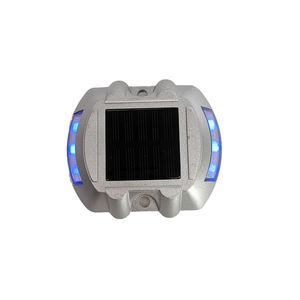
Cast-aluminum compression housing rated for 20+ tons load capacity. Engineered for bridge approaches, port berths, and expressway median lane dividers.
Get a Quote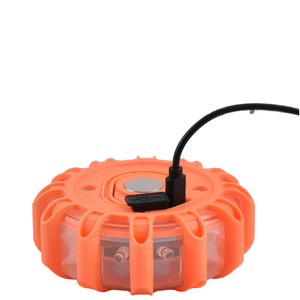
Features magnetic structural docking, selectable warning strobe patterns, and high-impact casing. Rapid emergency perimeter demarcation for security patrols.
Get a Quote
600x800mm structural grade aluminum board with ultra-bright sequential LEDs. Crucial visual warning for sharp curve deflection and construction detours.
Get a Quote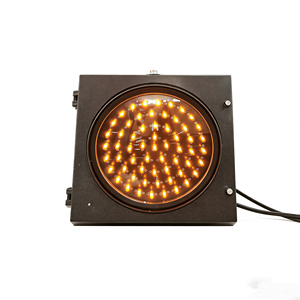
Modular UV-stabilized Polycarbonate enclosure with 200mm/300mm optical lens diameter. Built-in dusk-to-dawn charge controller for round-the-clock intersection warning.
Get a Quote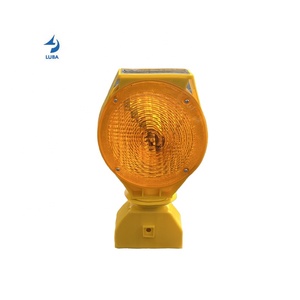
Heavy-duty civil construction signal with universal pole bracket mounting. Ideal for highway rehabilitation work zones, bypass barriers, and bridge construction.
Get a Quote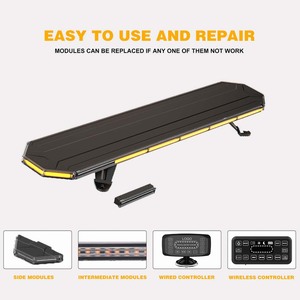
360-degree high-intensity strobe beacon designed for civil utility fleets, emergency rescue vehicles, airport tarmac trucks, and heavy highway earthmovers.
Get a Quote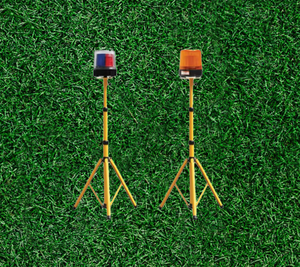
IP56 ingress-sealed multi-color emergency light featuring magnetic attachment and long-cycle lithium cell. Ideal for mobile roadblocks and checkpoints.
Get a Quote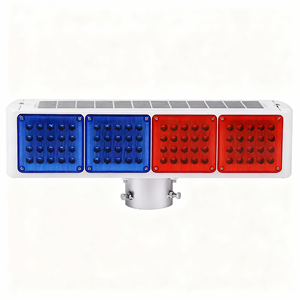
Extruded aluminum alloy enclosure with dual-sided high-flux LEDs. High-visibility warning beacon deployed at security checkpoints and major corridor intersections.
Get a QuoteFederal and state-level transit modernization across Nigeria—spearheaded by the Federal Ministry of Works and Housing (FMW&H), the Federal Road Safety Corps (FRSC), and concessionaires managing critical expressways—faces severe structural challenges. The expansion of key arteries such as the Lagos-Ibadan Expressway, the Second Niger Bridge corridor, and trans-Saharan links like Kano-Maiduguri requires resilient visual signaling systems that do not depend on vulnerable municipal electrical grids.
In developing custom OEM LED flashing beacons for Nigerian procurement tenders, manufacturing engineers must account for extreme environmental stressors. In Northern Nigeria (e.g., Kano, Kaduna, Sokoto), the seasonal Harmattan wind deposits fine airborne silica dust that rapidly covers optical arrays and penetrates poorly sealed enclosures. Concurrently, surface temperatures on junction housings can exceed 55°C. In coastal hubs like Lagos and Port Harcourt, saline mist and high relative humidity trigger electrochemical corrosion on exposed fasteners and electrical connectors.
Our OEM manufacturing protocols incorporate Grade-A UV-stabilized Polycarbonate or structural marine-grade aluminum alloys, silicone dual-gasket sealing to IP65/IP68 standards, and customized PCB conformal coating. By pairing multi-crystalline or high-yield monocrystalline solar panels with wide-temperature LiFePO4 batteries, our warning blinkers maintain continuous 24-hour operation with 5 to 7 days of autonomy, even through the peak cloud cover of the West African monsoon season.
| Technical Parameter | Our Heavy-Duty OEM Industrial Standard | Standard Commercial/Retail Importer Tier | Engineering Importance for Nigeria |
|---|---|---|---|
| Optics & Luminous Output | Epistar/Bridgelux high-power LEDs (>8,000 mcd/amber); Fresnel collimating lens | Standard 5mm DIP LEDs (<3,000 mcd); non-refractive clear cover | Guarantees 1,000+ meter daytime visual acquisition through dense Harmattan haze. |
| Enclosure Construction | Virgin Bayer Polycarbonate or ADC12 Die-Cast Aluminum with anti-UV inhibitor | Recycled ABS plastic or non-anodized thin steel sheet | Prevents yellowing, surface brittleness, and cracking under intense UV radiation. |
| Ingress Protection (IP) | IP65 for Signal Enclosures; IP68 for In-Road Studs (Double Vulcanized Gaskets) | Unrated or nominal IP54 (Foam tape seals) | Prevents tropical monsoon water ingress and fine micro-silica dust infiltration. |
| Energy Storage & BMS | LiFePO4 (Lithium Iron Phosphate) cell with smart thermal cut-off BMS (-10°C to +65°C) | Standard Sealed Lead-Acid (SLA) or low-grade Ternary Lithium | LiFePO4 resists thermal runaway in tropical heat and lasts 2,000+ cycles (5+ years). |
| Solar PV Generator | A-Grade Monocrystalline silicon with tempered low-iron solar glass; 18% efficiency | Polycrystalline scrap silicon with epoxy resin encapsulation | Resists resin browning and maintains charge capacity in high-ambient-heat zones. |
Deployed on non-signalized median cut-throughs, roundabouts, and blind curves along routes like Abuja-Kaduna and Lagos-Ibadan, alerting high-speed traffic to hazards and intersection changes.
Solar arrow flashing boards and synchronizable warning blinkers guide motorists safely around detour loops and bridge ramps, reducing vehicle collisions on long-term infrastructure sites.
Portable red/blue magnetic strobe beacons and dual-sided flashing systems offer visual authority and advance stopping distance for night roadblocks and strategic military checkpoints.
High-intensity visual hazard flashers optimize heavy trailer navigation across high-traffic freight hubs including Apapa Port, Lekki Deep Sea Port, and heavy industrial distribution complexes.
Nigeria's road transport sector is undergoing a rapid transition toward autonomous solar infrastructure, driven by high diesel costs, intermittent utility power, and aggressive safety mandates. Highway development tenders published by institutions such as the Lagos State Ministry of Transportation (LAMATA) and federal bodies increasingly prioritize self-contained solar blinkers over conventional AC-wired systems.
Key regulatory and purchasing trends shaping the market include:
State-of-the-art facility covering SMT surface-mount circuit assembly, precision plastic injection molding, and photometric testing. Direct pricing with zero trading intermediary markups.
Our engineering division adjusts bracket diameters, operating voltages, optical angles, and flash intervals (standard 50–60 flashes/min) to align with state and federal contract drawings.
Extensive experience shipping to Lagos (Apapa/Tin Can Island) and Port Harcourt (Onne Port), backed by comprehensive SONCAP documentation, Form M compliance, and secure sea-freight crating.