Solar Speed Limit
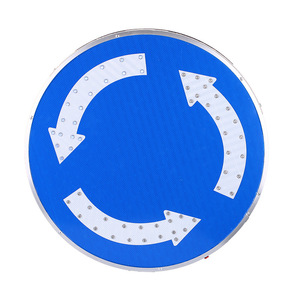
Warning LED Flashing Solar Traffic Sign Board UV Printed Speed Signage
3M Diamond Retroreflective | 12V LiFePO4 | Auto Dimming Class L8H

Engineered to satisfy rigorous Scandinavian winter light thresholds, maritime corrosion standards, and municipal urban safety frameworks.
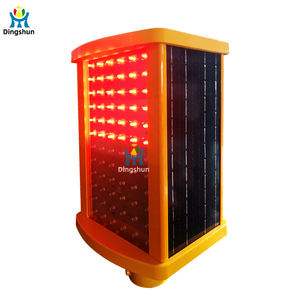
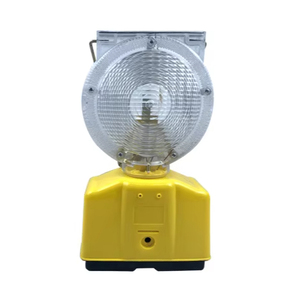
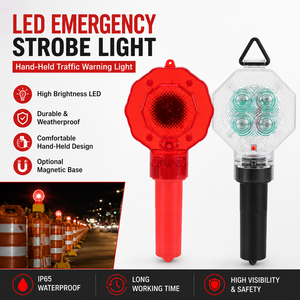
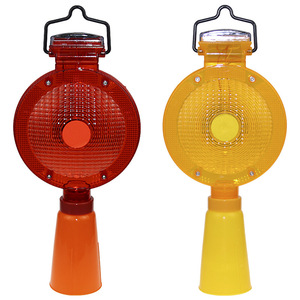
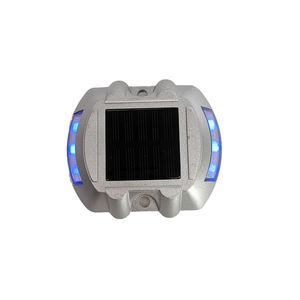
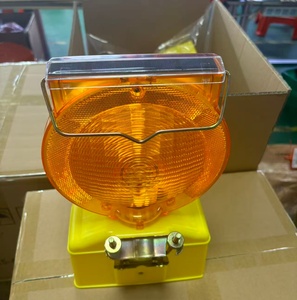
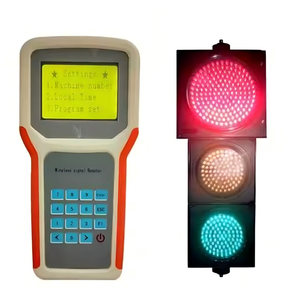
A rigorous examination of photometric design, low-irradiance photovoltaic harvesting, and harsh winter endurance according to Danish transport authorities.
Denmark's geographic position (54°–57° N) results in steep solar angles and limited December sunshine (averaging under 45 minutes daily). Our blinkers utilize customized N-Type TOPCon monocrystalline cells with anti-reflective glass textured to capture diffuse radiation at angles down to 12°, maintaining battery recovery throughout dark Nordic winters.
With an extensive coastline, Denmark experiences airborne sodium chloride mist coupled with freeze-thaw cycles. Our road blinkers deploy high-grade ADC12 aluminum housings and Bayer Makrolon UV-stabilized polycarbonate lenses with ultrasonic hermetic welding, passing ASTM B117 1,000-hour salt fog exposure without oxidation.
Sub-zero operating environments destroy conventional lead-acid cells. We implement cold-resilient LiFePO4 cells paired with a self-regulating thermal insulation sheath and Smart Microcontroller PWM charge logic, preventing lithium plating below 0°C and ensuring uninterrupted flash performance across a -35°C to +70°C window.
Addressing infrastructure mandates from urban arterial bike superhighways in Copenhagen to rural roundabouts in Jutland.
Danish urban planning emphasizes bicycle mobility. Low-profile flush road studs with continuous blue and amber pulses provide crisp path demarcation during Copenhagen's dark afternoon commutes, without creating obstacles for street sweeping machines or cycling traffic.
Temporary motorway repairs require high-luminosity warning flares compliant with Danish Håndbog for arbejdets udførelse. Synchronized RF barricade blinkers guide high-speed freight clear of maintenance crews in fog and rain.
Regional road links in western Denmark frequently lack street lighting infrastructure. Self-contained solar chevron units and amber traffic signal blinkers eliminate cable excavation expenses while providing long-range hazard alerts.
Harbors in Hirtshals, Rødby, and Frederikshavn encounter severe maritime headwinds and saltwater spray. Strobe beacons with IP68 waterproof housings ensure dependable traffic metering in ferry queues and freight marshaling yards.
Danish municipal traffic programs enforce 30 km/h zones around schools. Flashing LED solar boards with programmable timer circuits automatically trigger amber warning pulses during morning drop-off and afternoon dismissal periods.
Exposed crosswinds and sudden maritime squalls demand visible directional alerts. Arrow blinkers mounted on overhead gantries notify drivers of localized high-wind hazards and vehicle weight restrictions.
Technological trends steering municipal tenders and contractor investments throughout Northern Europe.
Danish buyers prioritize circular design under EU Directive 2012/19/EU. Blinkers must feature easily disassemblable modular casings, recyclable aluminum alloys, and field-replaceable battery cartridges to avoid full fixture disposal.
Dynamic wireless pairing replaces chaotic random flashing. Multi-unit arrays along detour channels flash in a running-wave sequence, lowering optical disorientation for nighttime drivers on unlit stretches.
Danish road agencies require integration with SCADA maintenance dashboards. Solar blinkers are increasingly integrated with NB-IoT communication chips that broadcast battery state-of-charge and LED failure alerts in real time.
Danish tender schemes penalize diesel-generator power supplies in roadwork zones. Off-grid solar-powered blinkers with zero operational emissions receive preference in public municipal bidding scores.
A clause-by-clause comparison of performance metrics for infrastructure procurement teams.
| Evaluation Parameter | Generic Commodity Blinkers | Our Nordic-Optimized Blinkers | Significance for Danish Buyers |
|---|---|---|---|
| Solar Cell Architecture | Standard Poly-Si (15-17% efficiency) | N-Type TOPCon Mono (22.8% efficiency) | Ensures energy harvesting in overcast winter skies |
| Battery Chemistry | Conventional Lead-Acid / Basic Li-ion | Low-Temp LiFePO4 with BMS Heater | Prevents terminal degradation at -20°C ambient temperatures |
| Optical Performance | Non-certified domestic LED array | EN 12352 Class L8H / L2L Certified Optics | Guarantees legal compliance with Vejdirektoratet road rules |
| Housing Material | Recycled ABS plastic (Degrades in UV) | Virgin Bayer Makrolon + Cast ADC12 Alu | Withstands coastal salt mist and freezing weather impact |
| Autonomy Duration | 48 to 72 continuous hours | 240+ continuous hours (10+ days without sun) | Guarantees uninterrupted illumination through extended Danish winters |
| Ingress Protection | IP54 to IP65 glued joints | IP68 ultrasonic welding with O-ring seal | Protects internal electronics from road wash and slush |
Leveraging specialized factory infrastructure, ISO 9001 certified optical assembly lines, and seasoned international supply experience.
No intermediaries or trading markups. In-house SMT surface mounting, photometric testing darkrooms, and vibration labs deliver strict batch uniformity and competitive factory pricing.
Send your Danish municipal tender documentation or CAD drawings. Our project engineers evaluate photometrics, flash rates, and mounting hardware against EN 12352 requirements.
Demonstrated delivery history across the EU, the Middle East, and Asia. Our sea and air freight packing adheres to ISPM 15 timber treatment guidelines with comprehensive export clearance paperwork.
Essential answers regarding certifications, Nordic delivery logistics, and technical modifications.
Connect with our technical export engineering desk for tender mapping, test reports, and competitive factory-direct quotations.