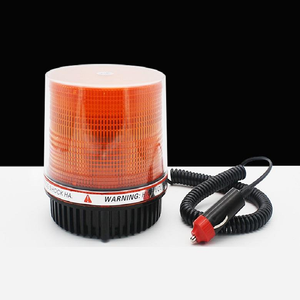
Precision-molded aluminum housing, monocrystalline energy harvesting, and ultra-durable photometric arrays calibrated for international high-speed and urban requirements.
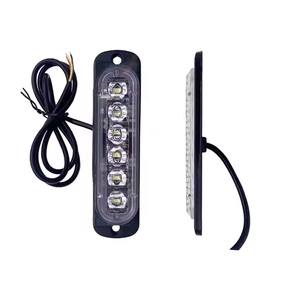
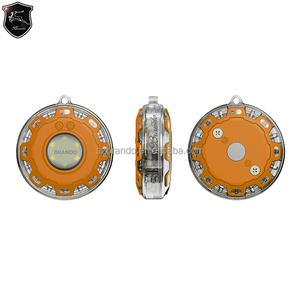
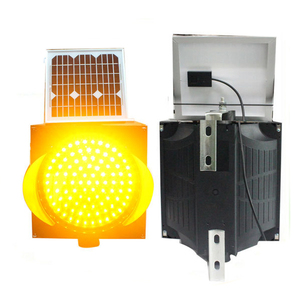
A technical overview for civil engineers, public works procurement directors (Agentschap Wegen en Verkeer & SPW Mobilité), and international infrastructure EPC contractors.
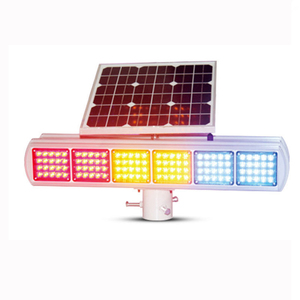
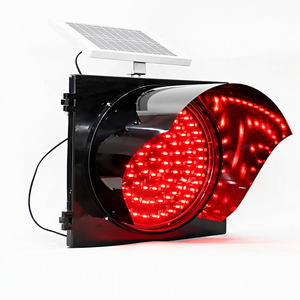
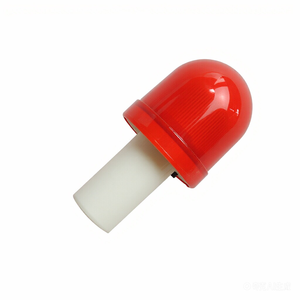
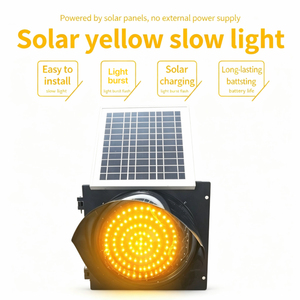
Belgium represents one of Europe's densest transport nexus networks, connecting major maritime hubs such as the Port of Antwerp-Bruges directly to the continental hinterland through arteries like the E19, E40, and E314. Consequently, road delineation equipment experiences continuous operational stress. Standard retroreflective markers frequently fail during heavy maritime precipitation, dense autumn fog across the Meuse Valley, and prolonged winter overcast conditions characterized by sub-1.2 kWh/m²/day solar insolation. Our CE Certified Solar Road Studs and Active Flashing Beacons replace passive, beam-dependent reflectors with omnidirectional active illumination, increasing situational braking response distance up to ten-fold (from 90 meters to over 900 meters).
Design Criteria for the Low Countries: Active road studs deployed across Wallonia, Flanders, and the Brussels-Capital Region must adhere strictly to EN 1463-1/-2 photometric standards while counteracting galvanic corrosion from aggressive winter de-icing salts (NaCl and CaCl₂ solutions).
Continuous dynamic axle loads require minimum Class 1 cast-aluminum or poly-carbonate encapsulated modules capable of absorbing recurrent 400 kN tire impact from heavy commercial vehicles without structural dislodgment.
Micro-climate shifts and high humidity demand IP68-rated vacuum epoxy potting. High-output amber LEDs pierce seasonal thermal inversion fog where standard dipped headlights encounter catastrophic backscatter.
Autonomous flush-mount solar studs guide cyclist expressways (Fietssnelwegen) and urban pedestrian transition crosswalks without requiring destructive civil street trenching or main electricity hookups.
Aligning with regional decarbonization frameworks, autonomous vehicle lane guidance, and municipal safety mandates.
As Belgium advances its regional climate frameworks—reducing carbon footprints across the public procurement life cycle—active solar roadway delineators fulfill dual purposes: eliminating electrical grid consumption and decreasing the need for continuous overhead highway illumination, which creates light pollution and strains municipal budgets. Furthermore, current Belgian initiatives are standardizing active demarcation for Connected and Autonomous Vehicles (CAV). Active flashing studs serve as robust visual and LiDAR/machine-vision anchors during rain-slick night driving, bridging the optical contrast deficit on unlit regional inter-city roads.
Engineered at our dedicated production plants to provide global contractors with verifiable technical specifications and uncompromised structural integrity.
Every solar road stud and active blinker is fabricated, assembled, potted, and photometrically tested in our specialized facilities. Eliminating intermediary markups ensures optimal cost controls and strict QA tracking on tender volumes.
We deploy high-cycle Lithium Iron Phosphate (LiFePO4) and ultra-capacitors operating down to -20°C, guaranteeing continuous flash cycles during freezing Belgian winters where standard Ni-MH chemistries experience irreversible capacity collapse.
Our units come backed by comprehensive laboratory declarations covering ingress resistance, dynamic load resistance, luminous intensity distribution, and corrosion immunity under C5-M industrial environments.
Essential guidance for purchasing agents, traffic system integrators, and road maintenance departments.
Yes. Our solar road studs are designed, manufactured, and evaluated under the performance guidelines of EN 1463-1 (Photometric and Physical Requirements) and EN 1463-2 (Road Test Requirements). We provide CE certificates and full third-party laboratory reports verifying colorimetric coordinates, luminous intensity, compression resistance, and water ingress prevention (IP68).
Belgian winter conditions (averaging less than 1.5 peak sun hours per day in December and January) require our advanced low-lux monocrystalline solar harvesting modules coupled with high-efficiency Microcontroller Unit (MCU) power managers. Once fully charged, our units retain autonomous operating lifespans of 120 to 180 continuous hours without any solar incident light, ensuring zero service disruption.
Our cast-aluminum models feature beveled leading edges (with approach angles below 15 degrees) specifically designed to deflect municipal snowplow blades without catching. Furthermore, our anodized coatings and proprietary resin formulations prevent galvanic reaction or surface degradation caused by prolonged exposure to de-icing salt sprays (sodium chloride and magnesium chloride) used across Walloon and Flemish roadways.
Yes. For sharp bend delineation, roundabout perimeters, and high-risk tunnel approaches, we can equip units with GPS-based or RF-synchronized controllers that flash in wave or synchronized patterns, significantly enhancing driver path clarity. Steady-burn (constant illumination) variants are also available per specific tender design requests.
For surface-mounted models, two-part epoxy or bituminous adhesive pads with high shear strength are deployed on clean, dry surfaces. For flush-mounted embedded studs (Class R1/P1), core-drilling into Stone Mastic Asphalt (SMA) or cement-concrete road decks followed by an elastic epoxy grout compound ensures the module becomes an integral component of the pavement structure, rated for dynamic axle loadings exceeding 40 tons.
Connect directly with our engineering division for tender documentation, sample evaluations, photometrics data sheets, and comprehensive containerized freight quotes to Port of Antwerp or Brussels.