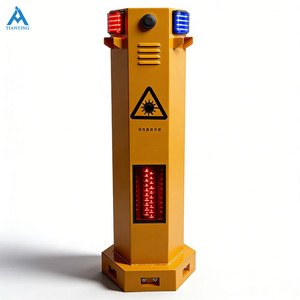
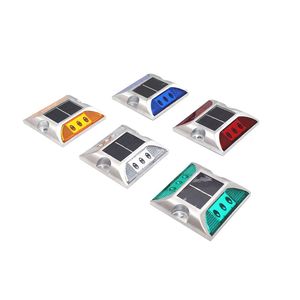
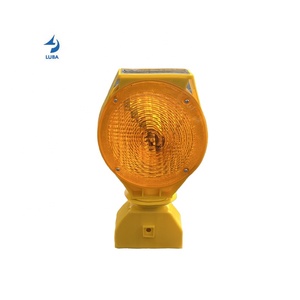
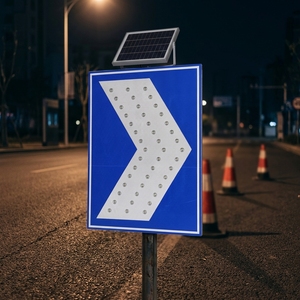
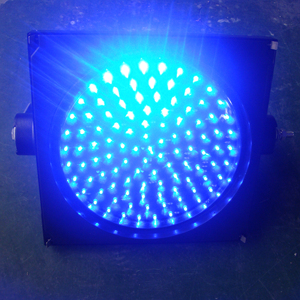
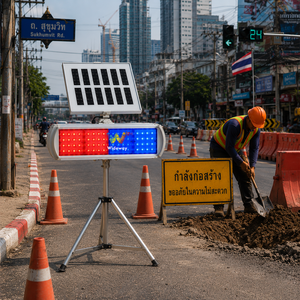
Engineered to deliver optical clarity and weather resistance across Osaka's arterial networks, Hanshin Expressway links, and logistics bays.
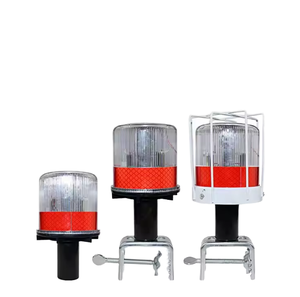
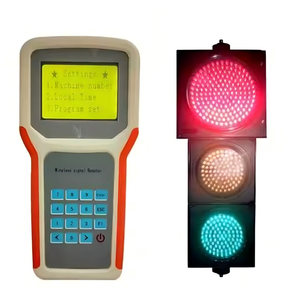
Analyzing the environmental stress factors, traffic patterns, and strict technical parameters governing traffic blinking devices in Osaka Prefecture.
Osaka’s elevated highway corridors require amber flashing beacons capable of continuous luminance without driver fatigue. Our 590nm monochromatic amber LEDs provide high contrast through dense atmospheric fog, maritime mist, and heavy twilight glare along elevated curving junctions.
Coastal and harbor applications demand high salt-mist corrosion resistance. Constructed with marine-grade polycarbonates and anodized aluminum enclosures, our amber blinkers operate reliably under severe typhoon winds and marine humidity without optical degradation or gasket leakage.
Near Osaka Station (Umeda) and Namba, intense commercial light pollution creates optical noise. Our engineered Fresnel collimating lenses focus the beam at calibrated vertical and horizontal cutoff angles, ensuring maximum signal visibility for approaching drivers without stray light pollution.
Essential optical and electrical criteria required by Osaka municipal tenders, general contractors, and civil road engineering divisions.
| Performance Criterion | Enpowers Technical Baseline | Osaka Tender Standard (JIS/UTMS Reference) | Engineering Value |
|---|---|---|---|
| Dominant Optical Wavelength | 590nm - 595nm (Amber / Yellow) | JIS Z 9101 Monochromatic Caution | Penetrates heavy marine precipitation and dense sea smog |
| Luminous Intensity | ≥ 8,000 mcd per LED cluster | Type B / Class 1 Visible > 1,000m | Direct daytime visibility under acute solar incidence |
| Ingress Protection Code | Hermetic IP65 / IP68 Submersible Core | JIS C 0920 Water & Dust Ingress | Withstands typhoon-level horizontal driving rain |
| Enclosure Resilience | UV-Stabilized Bayer Polycarbonate / Alodined ADC12 | IK08 to IK10 Impact Resistance | Resists micro-vibrations on elevated steel viaducts |
| Power Architecture | MPPT Controlled Mono-Si + LiFePO4 Battery | 7 to 10 Days Continuous Autonomous Operation | Uninterrupted signaling through prolonged winter cloud cover |
How infrastructure modernization in Western Japan is driving technological advancements in auxiliary visual warnings.
Osaka’s smart highway initiatives prioritize flashers equipped with wireless mesh coordination. Units self-synchronize flash sequences along approach ramps, creating an optical runway effect that reduces lane-change collision rates.
Under local net-zero frameworks, infrastructure planners are replacing legacy grid-tied incandescent hazard lamps with zero-emission, solar-powered amber LED blinkers, eliminating ongoing electricity expenditures and cable trenching costs.
Business Continuity Planning (BCP) across Kansai requires emergency signals to operate independently during grid outages. Solar-backed LiFePO4 batteries ensure round-the-clock warning along coastal evacuation routes following seismic events.
Operating a dedicated manufacturing facility in Ahmedabad, Gujarat, we maintain full quality control from optical design through environmental burn-in testing.
Every enclosure, PCB circuit, and optical reflector is built, populated, and hermetically sealed at our GIDC Vatwa manufacturing base. By bypassing intermediaries, project owners get direct engineering support and lower total cost of ownership.
While engineered in India to NHAI, PWD, and BRO specifications, our products are configurable to international guidelines. Every batch undergoes thermal shock, salt fog, vibration, and photogoniometric testing prior to export dispatch.
Exporting to over 20 countries, our dispatch division manages full customs-cleared documentation, crated palletization, and sea freight logistics directly to the Port of Osaka and Kobe terminals without customs bottlenecks.
Clarifications on technical compliance, import logistics, optical specifications, and hardware mounting for Japanese civil projects.
Yes. We offer universal pole-clamp brackets and band-tension mounts matching standard Japanese 76.3mm, 89.1mm, and 114.3mm steel and concrete pole diameters, eliminating site-level drilling or retrofitting delays.
Our systems incorporate high-efficiency monocrystalline solar cells paired with deep-cycle LiFePO4 battery modules sized for 7 to 10 days of continuous operation without direct sunlight, ensuring complete coverage throughout the June-July rainy season (Tsuyu).
Yes. For multi-story viaduct corridors or dense central districts like Kita-ku and Chuo-ku where buildings shade solar exposure, we supply wide-voltage AC units (AC 100V-240V, 50/60Hz) configured to the Western Japan 60Hz power grid.
Every commercial consignment includes Mill Test Certificates (MTC), photometric luminance test reports, IP65 ingress compliance declarations, Certificates of Origin (COO), and commercial documentation prepared for streamlined clearance at Osaka Customs.
Whether you require turn-key solar amber blinker systems, custom bracket designs, or complete project bids, our export engineering department delivers tailored technical proposals within 24 hours.
Get Catalog