Chevron Dynamic
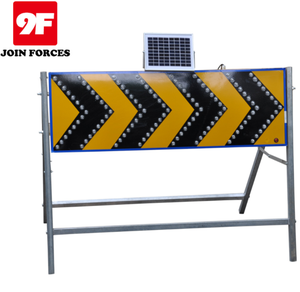
Solar Chevron Sign Warning Flashing Light
Synchronized curve-delineation arrow warning lights with high-efficiency monocrystalline solar arrays and dusk-to-dawn sensors.
Inquire Now
Factory-direct visual traffic management hardware built to withstand rigorous UV radiation, sustained monsoons, and extreme thermal cycling across mission-critical transport infrastructure.
Synchronized curve-delineation arrow warning lights with high-efficiency monocrystalline solar arrays and dusk-to-dawn sensors.
Inquire Now
High-strength shatterproof polycarbonate casing, 9 distinct flash patterns, strong neodymium magnetic base for roadside safety deployment.
Inquire Now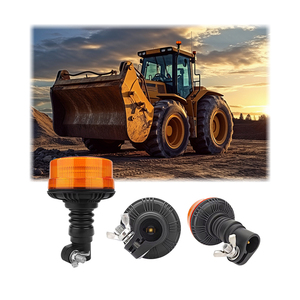
Waterproof IP66 flexible pipe-mount beacon with dual rotating/strobe optical circuits engineered for heavy tractors and maintenance fleets.
Inquire Now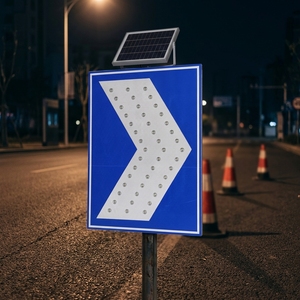
Constructed with high-grade engineering retroreflective film, structural aluminum alloy plate, and high-intensity surface-mount diodes.
Inquire Now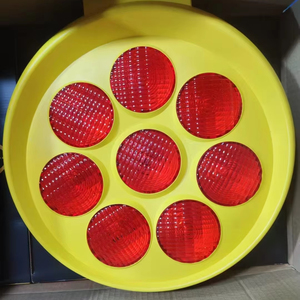
Omnidirectional Fresnel optic dispersion system achieving >1,000 meters night visibility for work zones, dividers, and barrier perimeters.
Inquire Now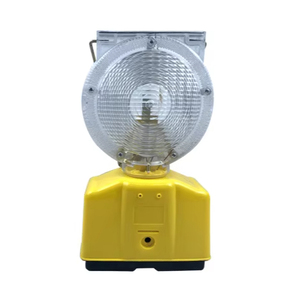
Dual-color switching optic engine with reinforced anti-theft bolt mounts for construction barriers, bridge retrofits, and work channels.
Inquire Now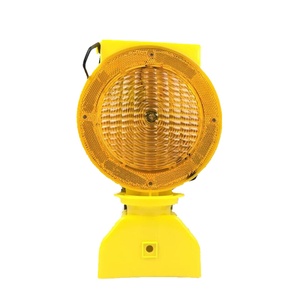
Certified to European standards, anti-UV ABS shell, 60 flashes per minute standard rhythm with deep-discharge battery management circuitry.
Inquire Now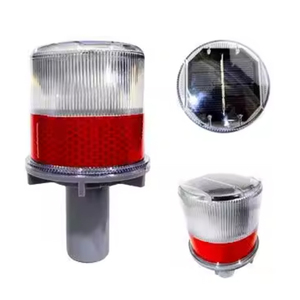
Drop-in socket design compatible with all international traffic cones; automatic night trigger with 120-hour reserve power capacity.
Inquire NowEliminating broker overheads through direct manufacturing excellence, turnkey export qualification, and full tender compliance for global civil contractors.
Every solar beacon is matched against destination insolation data, ensuring optimal photovoltaic yield and zero failure during prolonged continuous overcast periods.
Fully engineered to align with national DOT, NHAI, PWD, BRO, and European EN standards, ensuring prompt technical submissions and painless field inspections.
Full customization for lens diameters (200mm, 300mm), specific chromaticity coordinates (Amber, Red, Blue, White), flash cadences, and anti-vandal mounting brackets.
End-to-end global supply chain handling: UN38.3 battery shipping clearances, MSDS compliance, seaworthy palletized packaging, and duty-optimized HS code declarations.
Analysis of engineering transitions across municipal lighting and highway safety procurement portfolios for 2025–2030.
The global transport equipment sector is experiencing a rapid paradigm shift from passive delineation retroreflectors toward active, photon-emitting warning arrays. LED traffic beacons and solar blinkers represent the frontline of zero-carbon Intelligent Transportation Systems (ITS). Municipalities and highway EPC concessionaires face surging traffic densities and unpredictable weather events, requiring warning markers that provide instantaneous chromatic identification without relying on vehicle high-beam reflection. Sourcing directors must recognize these structural transitions:
Traditional sealed lead-acid (SLA) chemistry is obsolete due to high thermal degradation and brief 2-year lifespans. Modern tender specifications demand Lithium Iron Phosphate (LiFePO4) storage, which sustains over 2,500 full charge cycles and maintains operational stability from -20°C to +65°C.
Isolated flashing beacons create visual clutter on high-speed road curves. Next-generation highway procurement mandates 2.4GHz RF or GNSS synchronized flash cascading across chevron sequences, creating a continuous wave of light that reduces driver disorientation and horizontal collision rates.
While solar beacons carry slightly higher initial unit costs than conventional passive signs, they completely eliminate trenching, underground cabling, junction box installation, and recurring municipal grid electric bills—delivering net procurement amortization within 8 months of deployment.
Key criteria to evaluate when drafting municipal bid documents and transport sector tender sheets.
| Evaluation Parameter | Solar LED Autonomous Beacon | Mains-Powered (AC 110V/220V) Blinker | Infrastructure Impact & Selection Criteria |
|---|---|---|---|
| Installation Footprint | Zero civil trenching; single-pole clamp | Requires subterranean conduits & breaker panels | Solar slashes highway lane closure times from days to under 30 minutes. |
| Operating Autonomy | 5 to 7 continuous cloudy/rainy days | Indefinite (Dependent on continuous grid power) | Solar units run safely during extreme storms that cause grid outages. |
| Visual Luminance Range | 8,000 – 12,000 mcd per ultra-bright diode | 8,000 – 15,000 mcd constant output | Both ensure active visibility at distances greater than 1,000 meters. |
| Best Application Environment | Expressways, remote mountain passes, border zones | Urban signalized corridors, shaded underpasses | Choose AC only where overhead canopy or high-rise architecture prevents direct sunlight. |
| Maintenance Cycle | Bi-annual solar surface wiping; 5-yr battery check | Periodic transformer and wiring integrity tests | Solar provides significant savings in maintenance hours for remote highway stretches. |
Definitive technical and commercial answers directly from our factory engineering team.
Connect with our technical sales engineers to review tender technicalities, request product cut sheets, or obtain prompt FOB/CIF container shipping quotations.