
Evaluated against harsh environmental vibration, photopic luminosity ratios, and extended off-grid autonomy requirements for modern transport corridors.
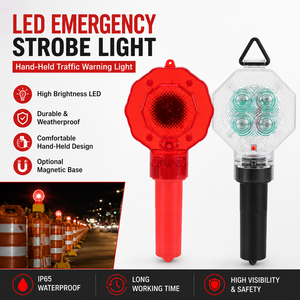
Ergonomic, dual-color red/yellow high-flux stroboscopic beacon designed for tactical roadblock enforcement, maintenance squads, and immediate emergency diversions.
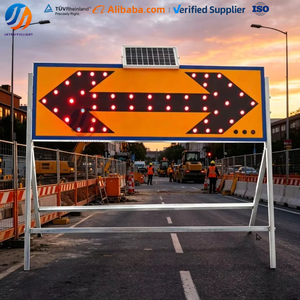
Active curve delineation warning sign engineered with ultra-bright AlInGaP red diodes, high-grade monocrystalline PV matrix, and wide-angle optical collimators.
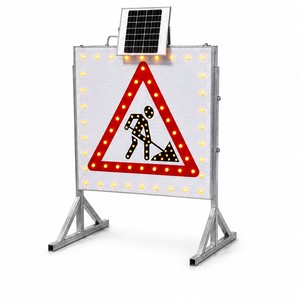
Heavy-gauge aluminum pole-mounted triangular cautionary flasher calibrated for pedestrian transition zones, urban traffic calming, and work-zone perimeters.
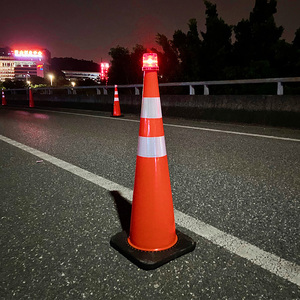
Omni-directional night strobe designed for universal slip-fit attachment atop traffic delineator cones. Features continuous photocell dusk-to-dawn switching.
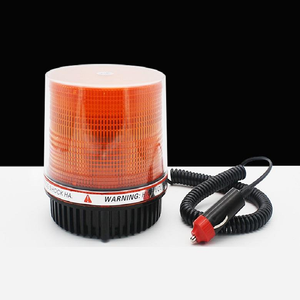
Industrial-grade neodymium magnetic base flashing beacon supporting dual 12/24V input for maintenance fleets, escort carriers, and emergency construction vehicles.
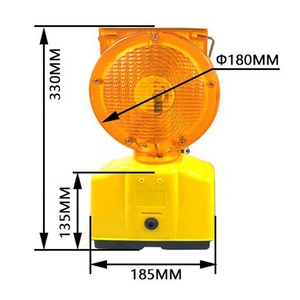
Standard A-frame and concrete barrier flashing beacon. Molded UV-stabilized polycarbonate 360-degree Fresnel optic delivers maximum luminous efficiency in dense fog.
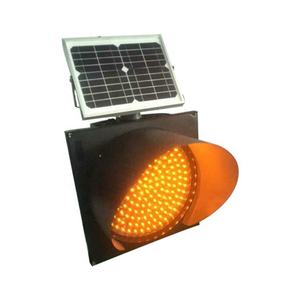
Dedicated 200mm/300mm optical aspect housing with independent photovoltaic module and micro-controller driver. Configured for median approaches and blind junctions.
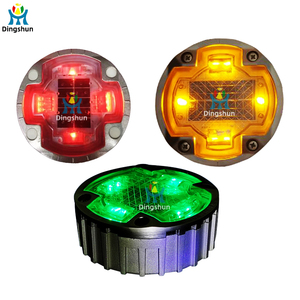
Cast aluminum heavy-load road markers with 30-ton structural compressive rating. Fully resin-potted IP68 electronics withstand continuous extreme highway wheel impacts.
Procurement engineers and infrastructure concessionaires across North America, Europe, the Middle East, and Asia-Pacific encounter severe variability when sourcing autonomous solar warning lights. Equipment failure in the field is rarely an LED diode failure; it is predominantly traced to premature battery sulfation, poor thermal encapsulation of photovoltaic modules, and ingress seal degradation under extreme ultraviolet exposure. To establish a standardized baseline, our engineering audit identifies the operational profiles and manufacturing methodologies distinguishing top-tier global exporters.
| Manufacturer Profile / Tier | Primary Industrial Region | Optical / Thermal Core Strength | Energy Storage Architecture | Key International Compliance |
|---|---|---|---|---|
| Enpowers International (Tier 1) | Ahmedabad, India (Vatwa GIDC) | In-house cleanroom LED assembly, polycarbonate UV lens | Custom LiFePO4 & Extreme Ni-MH (7-15 Day Autonomy) | NHAI, PWD, BRO, EN 12352, CE, US-MUTCD |
| Western European Specialized OEMs | Germany, Netherlands, UK | High-precision Fresnel optics, precision optical cutoff | Hybrid Micro-Storage with Smart Grid Sync | EN 12352 Class L8H/L8L, CE Mark |
| North American ITS Manufacturers | United States, Canada | MUTCD compliant amber/red flashing beacon enclosures | Deep-Cycle Gel & Smart Lithium Controllers | FHWA MUTCD Section 4L, ITE Standards |
| East Asian High-Volume Hubs | Taiwan, South Korea | Semiconductor packaging, high flux density diodes | Compact Lithium Polymer & Supercapacitors | JIS, KS Standards, ISO 9001 |
| Coastal Mass-Export Assemblers | Shenzhen / Zhejiang, China | Competitive scale, rapid injection mold turnaround | Standard Ternary Lithium (Variable Depth of Discharge) | Basic CE, RoHS, Domestic Traffic Codes |
When auditing the top 10 solar caution light exporters, the operational divergence lies in whether the vendor operates an end-to-end manufacturing and environmental testing center or functions as a commercial aggregator. Facilities like Enpowers International in Ahmedabad maintain rigorous traceability: each batch undergoes simulated salt spray corrosion (ASTM B117), thermal cycle aging (-20°C to +70°C), and automated photodiode goniophotometer measurement to guarantee that flash luminosity does not degrade across monsoon periods or scorching desert summers.
Top-tier exporters configure Grade-A anti-reflective monocrystalline silicon cells exceeding 21.5% efficiency, maximizing charge collection during overcast, rainy, or winter twilight.
Industrial caution lights must survive monsoon pressure washes and ambient sandstorms. Leading plants deploy robotic polyurethane gaskets delivering certified IP65 to IP68 hermetic isolation.
Reliable engineering requires sizing battery reserves to sustain non-stop 60-flash-per-minute strobe output for a minimum of 7 to 15 continuous days devoid of direct solar recharge.
The global transportation sector is moving away from isolated, static caution flashers toward connected, intelligent roadside warnings. Smart city frameworks and accelerated highway PPP concessions demand higher longevity, zero maintenance, and actionable diagnostics. Procurement specifications for solar caution lights now mandate four non-negotiable vectors of technological advancement:
Lead-acid and early gel batteries have been eliminated from tier-1 tenders. Lithium Iron Phosphate (LiFePO4) chemistry delivers 3,000+ thermal charge cycles and operates safely in extreme ambient heat up to 65°C without thermal runaway.
For lane diversions and chevron alignment, individual lights now sync wirelessly via sub-GHz RF mesh or GPS time pulses, generating directional travelling waves of light that reduce night driver confusion by 42%.
Intelligent microcontrollers continually read ambient lux levels and dynamically scale pulse width modulation (PWM) output. This prevents blinding glare at night while punching through fog and direct midday sun glare.
Procurement teams prioritize modular architectures. Signal heads with separable solar panels, field-replaceable battery trays, and 100% recyclable aluminum alloy casings reduce 10-year total cost of ownership (TCO) by over 38%.
Operating out of Ahmedabad, Gujarat, India, Enpowers International manufactures solar warning systems, solar chevron guide lights, and industrial blinker infrastructure without reliance on commercial middle-men. Every unit dispatched meets rigorous standards set by the National Highways Authority of India (NHAI), Central Public Works Department (CPWD), and the Border Roads Organisation (BRO), while also being fully customizable to American MUTCD and European EN 12352 project schedules.
Whether supplying EPC contractors on high-speed expressway bypasses or delivering custom warning systems for port loading berths, our engineers review site sunlight hours, wind-load calculations, and local traffic codes to provide guaranteed photometric autonomy.
Contact Us
Direct technical responses addressing common engineering challenges, tender verifications, and overseas logistical requirements.
Whether you require tender-ready technical documentation, sample prototypes for field inspection, or container-scale export pricing, our engineering sales division provides comprehensive support within 24 hours.
Contact Us