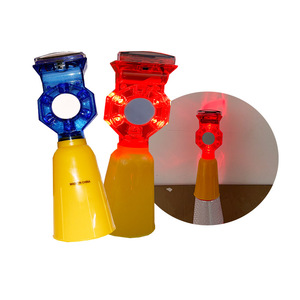
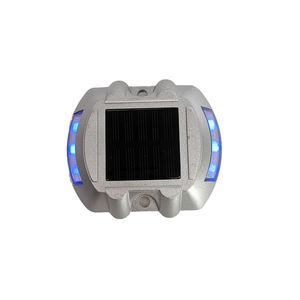
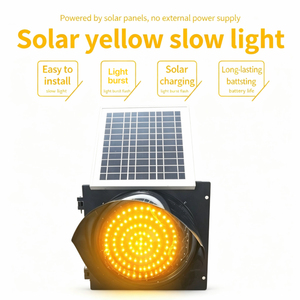
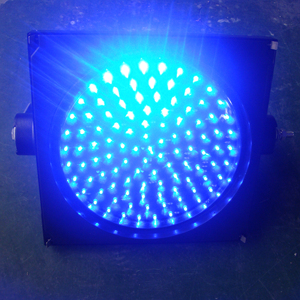
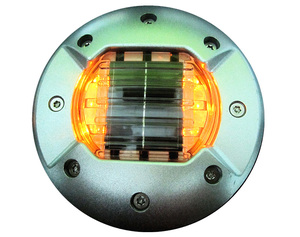
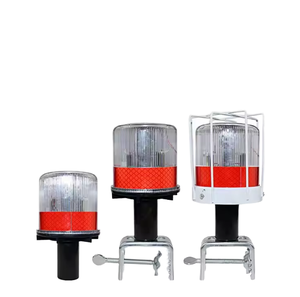
Explore our flagship OEM series engineered with high-transmittance optical polycarbonate, industrial monocrystalline PV modules, and autonomous lithium energy storage.
Operating from our modern facility in Plot No. 140, Pushpak Industrial Estate, GIDC Phase-1, Vatwa, Ahmedabad, Enpowers International engineers and exports high-reliability solar blinker lights, LED hazard units, chevron guidance systems, and toll plaza lighting systems to global EPC contractors and statutory road authorities.
By eliminating intermediate trading markups, our direct-factory model allows project concessionaires to specify custom optical angles, distinct solar wattage configurations, bespoke metal enclosures, and tailored battery runtimes strictly adhering to national specifications including NHAI (National Highways Authority of India), PWD, and BRO (Border Roads Organisation).


Analyze key engineering distinctions across standard municipal models, high-speed motorway grade beacons, and smart connected V2X solar units.
| Specification Metric | Standard Urban Blinker | High-Speed Expressway Spec | V2X IoT Intelligent Blinker |
|---|---|---|---|
| Aspect Diameter | 200 mm (8-Inch) | 300 mm (12-Inch) | 300 mm / Multi-Aspect Arrow |
| Luminous Output (Day) | >350 cd (On Axis) | >800 cd (High-Flux Array) | Auto-Dimming 400 - 1200 cd Dynamic |
| Dominant Wavelength | Amber: 590nm ± 2nm | Amber: 590nm / Red: 625nm | Bicolor / Programmable Tri-Color |
| PV Module Chemistry | Polycrystalline 10W - 15W | Monocrystalline Perc 20W - 40W | N-Type TopCon Bifacial 50W |
| Energy Storage System | VRLA AGM Sealed Lead-Acid | LiFePO4 (Lithium Iron Phosphate) | Automotive-Grade Smart BMS LiFePO4 |
| Battery Autonomy | 3 to 5 Sunless Days | 7 to 10 Sunless Days (Monsoon Spec) | Up to 15 Days with Predictive Throttle |
| Housing Material | UV Polycarbonate | Die-Cast LM6 Alloy + Powder Coat | Die-Cast Aluminum + Marine Anodizing |
| Wireless Connectivity | Standalone Flash Circuit | Optional RF Synchronized Pulse | 4G LTE-M / NB-IoT / Sub-1GHz RF Mesh |
| International Standards | IRC:67 PWD | NHAI MUTCD Sec 4L | EN 12352 L8H EN 12368 |
How next-generation intelligent transportation systems (ITS) and climate-resilience mandates are reshaping highway beacon engineering and purchasing standards.
Global highway concessionaires are systematically phasing out Valve Regulated Lead-Acid (VRLA) batteries in favor of Lithium Iron Phosphate (LiFePO4). While traditional AGM batteries degrade drastically at ambient temperatures above 40°C, LiFePO4 cells sustain over 2,500 full charge cycles under desert temperatures up to 60°C.
Our OEM architectures integrate embedded Battery Management Systems (BMS) with thermal cut-offs, low-voltage disconnect (LVD), and pulse-charging regimens, preventing premature battery starvation during monsoon overcast conditions.
Isolated flashing beacons can inadvertently confuse drivers approaching high-speed deceleration lanes or acute mountain curves. Global highway tenders increasingly mandate synchronized or progressive cascading flash sequences.
By leveraging license-free Sub-1GHz (868 MHz / 915 MHz) wireless transceivers, our blinkers communicate up to 1.2 kilometers line-of-sight without external cellular subscriptions. Adjacent beacons coordinate a continuous chevron "sweeping light" wave that intuitively leads vehicular traffic through roadway deviations.
Standard LED cluster lamps create severe glare hazard at night while suffering from "phantom light" washouts in bright midday sun. Next-generation procurement requires specialized dual-layer optics combining total internal reflection (TIR) primary collimators with secondary UV-stabilized polycarbonate micro-Fresnel lenses.
Furthermore, intelligent duty-cycle controllers read ambient photodiode feedback to automatically throttle nighttime intensity down to 25%, conserving battery power while preventing temporary night-blindness for oncoming drivers.
Smart city authorities now demand continuous asset health monitoring via cellular NB-IoT or LoRaWAN networks. Rather than deploying maintenance patrol vehicles to spot dead beacons, centralized SCADA software receives automated alerts regarding panel shading, battery voltage dips, LED open-circuit failures, or physical impact vandalism.
Future highway blinkers also interface with V2X (Vehicle-to-Everything) roadside units, broadcasting digital hazard alerts directly into autonomous navigation dashboards up to 500 meters ahead of physical line-of-sight.
Whether you require a dedicated batch of solar flashers for extreme Himalayan sub-zero deployment or desert-rated coastal highway beacons, we adapt mechanical, optical, and electrical parameters to your exacting drawings.
Engineering customized physical profiles to resist mechanical vibration, saline coastal air, and intense thermal expansion cycles.
Optimizing illumination efficiency, pulse frequency, and visual chromaticity to meet stringent transportation safety standards.
Comprehensive export services designed to accelerate customs clearance and government site engineer approvals.
Direct technical answers addressing system sizing, standards compliance, minimum order quantities, and overseas logistics.