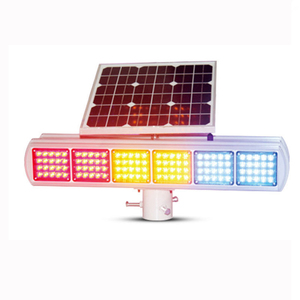
Autonomous photovoltaic illumination equipment, micro-optical signal lenses, and intelligent highway barricade flashers engineered for severe-service municipal, arterial, and industrial deployment.
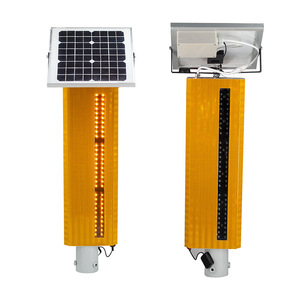
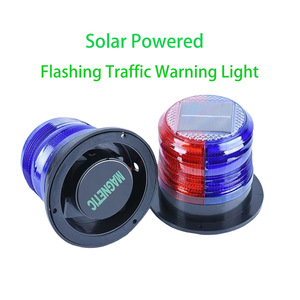
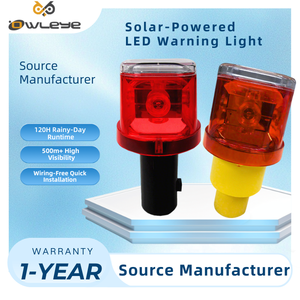
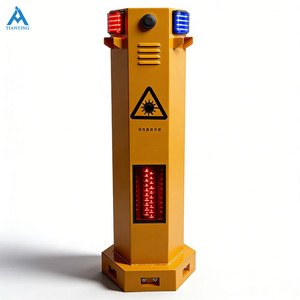
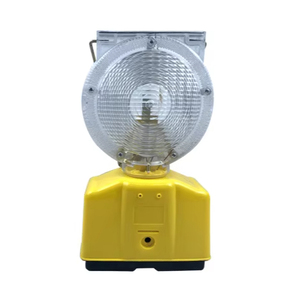
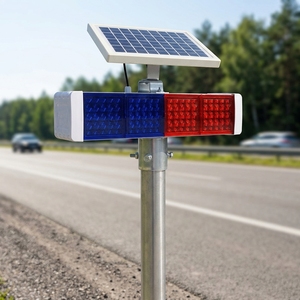
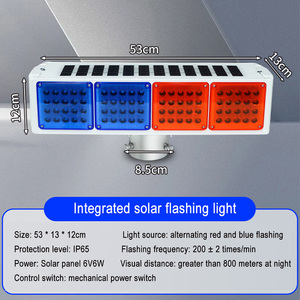
Modern highway infrastructure requires signaling systems capable of continuous illumination irrespective of ambient meteorological failures or utility grid blackouts. As leading Chinese manufacturers and direct exporters, our engineering process adheres to stringent physics-driven design criteria. The structural longevity of a solar traffic beacon depends directly on three critical systems: the solar absorption module, electro-chemical energy storage reserves, and refractive photonic output.
Standard roadside warning units fail prematurely due to thermal degradation and insufficient battery autonomy sizing. Our manufacturing plant mitigates this through integrated Maximum Power Point Tracking (MPPT) micro-controllers paired with high-discharge Lithium Iron Phosphate (LiFePO4) energy cells. LiFePO4 chemistry preserves over 80% capacity after 2,500 full thermal cycles, maintaining peak operational reliability across wide temperature bands ranging from -30°C to +70°C.
Engineered optical-grade PMMA/Polycarbonate resin arrays focus LED photon emissions into a collimated horizontal beam, maximizing candela intensity while preventing upward light dispersion and glare.
Integrated low-power GNSS receivers broadcast microsecond synchronized clock pulses, allowing arrays of barricade beacons along work zones to flash in harmonious visual waves without physical interconnects.
Extruded and injection-molded casings treated with specialized benzotriazole UV stabilizers eliminate yellowing, brittleness, and structural fractures caused by prolonged desert radiation exposure.
Cross-border procurement directors and municipal transportation ministries are transitioning from reactive spot-purchasing to Lifecycle Total Cost of Ownership (TCO) assessments. Sourcing trends within Europe, North America, the Middle East, and Latin America highlight four core purchasing dynamics:
Future tenders increasingly specify Cellular Vehicle-to-Everything (C-V2X) telematics nodes embedded directly inside beacon housings, relaying instant hazard status to autonomous and assisted vehicle navigation computers.
Strict carbon border adjustment mechanisms require Chinese exporters to provide material life-cycle disclosures, driving the shift to recyclable aluminum housings and lead-free solid-state controllers.
Procurement teams demand ambient-sensing photoelectric photocells that automatically adjust night candela output, preserving battery energy while preventing disorienting night blindness for oncoming motorists.
To avoid frequent maintenance cycles, EPC project managers must specify beacons with robust power topologies. The following performance matrix outlines the structural differences between consumer-grade flashing lights and export-grade industrial beacons produced in our ISO 9001 certified Chinese facilities:
| Engineering Parameter | Export-Grade Infrastructure Spec | Standard Commercial Grade | Strategic Project Impact |
|---|---|---|---|
| Photovoltaic Conversion | Mono-crystalline Silicon (21.5%+ efficiency) | Poly-crystalline / Amorphous (14-16%) | Fast recovery charging in overcast or shaded canyon areas. |
| Energy Storage Chemistry | LiFePO4 Lithium (2,000+ deep cycles) | Lead-Acid or Ni-MH (300-500 cycles) | Eliminates frequent battery swap-outs on elevated highway gantries. |
| Ingress Barrier Protection | IP65 to IP68 hermetically sealed silicone | IP44 / IP54 basic water seal | Prevents catastrophic short circuits during high-pressure water cleanup. |
| Effective Visibility Radius | > 1,000 meters (Class-A Highway Approved) | < 400 meters (Limited warning window) | Affords heavy transport vehicles adequate stopping distance at 110 km/h. |
| Operational Temperature Range | -35°C to +75°C thermal threshold | -10°C to +50°C threshold | Ensures non-stop performance in arctic winters or equatorial sun. |
Originating from China's primary precision electronic and transport equipment industrial cluster, our factory integrates comprehensive component fabrication, optical mold injection, automated SMT PCB assembly, and climatic testing laboratories. We have established long-term original equipment manufacturing partnerships and direct export supply arrangements for government transport authorities across 50+ countries.
Our engineering department assists EPC contractors with pre-bid documentation, photometric testing charts, dial-lux simulations, and custom bracket engineering compliant with MUTCD, EN 12352, and AS/NZS standards.
From housing coloration, lens chromaticity coordinates (Amber, Red, Blue, White), custom flashing duty cycles, to private silk-screen labeling, we configure products precisely to your local regulatory guidelines.
We provide full export clearance packages including UN38.3 test reports for lithium battery air/sea freight, MSDS documentation, Certificate of Origin, and container-optimized damage-proof packaging.
Direct, technically verified answers to common questions raised by infrastructure project managers, civil buyers, and import distributors.
Looking for custom mounting dimensions, photometrics, or competitive direct factory export quotes for your upcoming civil project? Our international sales engineers are on standby.