The physical manifestation of civil roadway security relies heavily on visible delineation hardware. Globally, dynamic hazard signals—collectively designated under categories such as solar blinker lights, vehicular deck flashers, chevron curve warnings, and perimeter LED strobe barriers—form the definitive frontline against nocturnal multi-vehicle collisions, highway speed-break disasters, and work-zone fatalities. As international tenders under bodies like the Federal Highway Administration (FHWA), European Committee for Standardization (CEN EN 12352), Indian NHAI/PWD/BRO, and Middle Eastern transport ministries mandate stricter active optical conspicuity, procurement engineers are bypassing non-specialist trading intermediaries in favor of vertically integrated manufacturing powerhouses.
Leading industrial road flasher production requires harmonious cross-disciplinary synthesis: metallurgical engineering for corrosion-resistant cast aluminium (ADC12) or UV-stabilized polycarbonate enclosures, solid-state optical design optimizing beam convergence via Fresnel or total internal reflection (TIR) lenses, power electronics utilizing pulse-width modulation (PWM) and Maximum Power Point Tracking (MPPT) micro-controllers, and cell-chemistry matching that withstands extreme thermal cycling ranging from -40°C sub-zero environments to +70°C equatorial macadam radiance.
Procuring from verified suppliers requires a granular understanding of the operational trade-offs between differing form factors. The table below delineates the vital performance boundaries of municipal, highway, and portable emergency flasher units manufactured within our quality management systems.
| System Classification | Lens Diameter / Form | Primary Power Architecture | Luminous Intensity & Chromaticity | Battery Autonomy (No Insolation) | Standard Certifications |
|---|---|---|---|---|---|
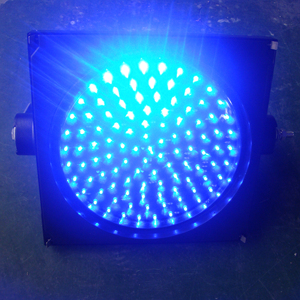
| Solar Traffic Signal Blinker | 200mm / 300mm Aspect | Monocrystalline PV (10W-30W) + MPPT | >8,000 mcd (Amber 590nm / Red 625nm) | 120–168 Hours Continuous | CE, EN 12352 (L8H), NHAI Compliant |
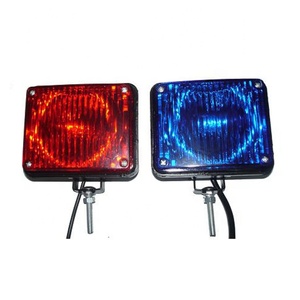
| Vehicular Strobe Dash/Deck Light | Low-Profile Aluminum Bar | 12V/24V DC Vehicle System (Auxiliary) | High-Power 1W/3W Epistar LEDs (>1200 lm) | Vehicle Battery Interfaced | ECE R65, SAE J595 Class 1 |
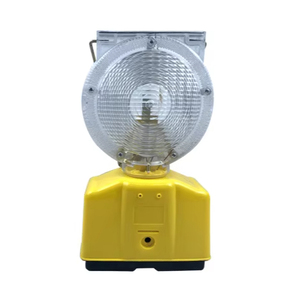
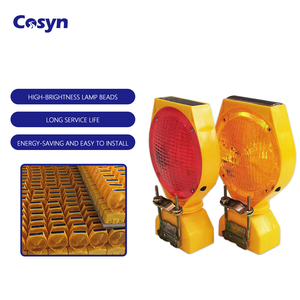
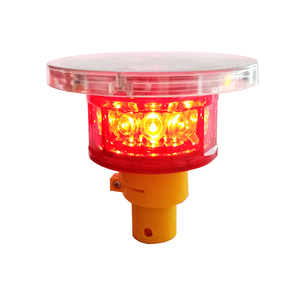
| Solar Barricade / Cone Light | 180mm 360°/Bi-Directional | Integrated Top PV (0.4W-1.5W) | >2,000 mcd High-Intensity Blinking | 72–96 Hours Dynamic | IP65, MUTCD Type A / Type C |
| Smart Wireless PLC Flasher | 300mm Polycarbonate/Alloy | Hybrid Solar-AC with LoRa/Zigbee PLC | Ultra-flux Array with Day/Night Dimming | Up to 15 Days (Configurable Deep Cycle) | ISO9001, RoHS, ITE Standards |
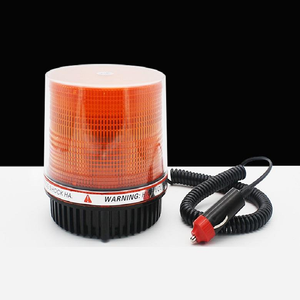
| Portable Magnetic Strobe Beacon | Heavy-Duty Base w/ Rubber Rim | Rechargeable Li-Ion (18650 / Polymer Pack) | Dual-Color Red/Blue/Amber Flashing Pattern | 18–36 Hours Run-Time Per Charge | IP56 / IP66 Water-Resistant Ingress |
Drawing upon the production disciplines of heavy infrastructure lighting and validated against rigorous public work specifications (including rigorous standards matched across NHAI, PWD, BRO, and international highway tenders), our facilities deliver end-to-end assurance from ingot cast to optical assembly.
Zero third-party markup. Fully controlled die-casting, PCB SMT population, automated polyurethane potting, and photogoniometer calibration conducted under strict ISO protocols.
Every photovoltaic system is modeled against local solar irradiation indexes (kWh/m²/day), guaranteeing uninterrupted pulse performance during torrential monsoon or winter low-sun conditions.
Supplying critical engineering works across 20+ countries, with seaworthy reinforced honeycomb packaging, individualized shock testing, and comprehensive consular documentation.
The emergency road beacon industry is transitioning from isolated analog blinkers to connected smart safety nodes. Civil project managers, concessionaires, and procurement officers must factor the following technological trajectories into upcoming multi-year project tenders:
A. Synchronized RF Wave-Pulsing (Swarm Telematics): Rather than erratic, independent flashing that can disorient drivers along work zones, next-generation solar flashers utilize 2.4 GHz mesh networking or sub-1GHz LoRa modules to generate traveling wave sequences. This dynamic guidance leads the eye naturally through traffic divergences, decreasing braking latency by up to 34%.
B. Solid-State Lithium Iron Phosphate (LiFePO4) & Sodium-Ion Integration: The industry is retiring legacy valve-regulated lead-acid (VRLA) batteries due to thermal degradation and rapid sulfation. LiFePO4 cells, combined with intelligent Battery Management Systems (BMS), provide over 2,500 life cycles, allowing road authorities to maintain equipment for 7–10 years without scheduled battery replacements.
C. Adaptive Autonomous Luminescence (Photodiode Closed-Loop Feedback): Static high-candela flashing at night blinds oncoming motorists, causing disability glare. Future procurement guidelines prioritize dual-state or multi-tier adaptive dimming where sensors lower intensity automatically under pitch-black conditions while delivering peak punch through blinding direct midday sunlight.
Autonomy is engineered through deliberate sizing calculations: matching array wattage (Wp) and battery amp-hours (Ah) to the local geographic Peak Sun Hours (PSH). Our engineering team provisions 5 to 7 days of complete solar deficit redundancy, complemented by low-loss MPPT controllers operating at >95% conversion efficiency.
ADC12 die-cast aluminium provides superior thermal dissipation for high-candela clusters, extreme structural rigidity against gale-force gusts on expressways, and indefinite tensile life. UV-stabilized Bayer Makrolon polycarbonate offers significant weight savings, lower logistics freight costs, and non-conductive electrical insulation ideal for urban work cones.
Yes. Lens geometry (200mm/300mm), chromatic wavelength binning (amber, caution red, transit green, lane-merge blue), flash rhythms (60/90 FPM single-pulse, double-pulse, simulated rotators), and universal mounting backplates (cantilever, post-top, crash-barrier brackets) are fully configured per client tender documentation.
Every batch completes 48-hour continuous electrical burn-in, spectroradiometer chromaticity validation, salt spray exposure tests (ASTM B117), thermal cycle chambers (-30°C to +70°C), and water-ingress immersion testing up to IP65/IP66 ratings before issuance of the Factory Acceptance Certificate.
Whether you require tender-matching documentation, custom photometrics, or competitive factory-direct container volume pricing, our dedicated engineering division is prepared to assist.
Get a Quote