
Export Sales: +91 96012 58123 [email protected] Exporting to 20+ Countries
0%

Why Choose Solar Blinker Lights for Global Sourcing?

Global buyers are reassessing outdoor warning and guidance equipment. A Solar Blinker Light can operate beside roads, gates, construction zones, and remote facilities without continuous grid wiring. That practical advantage matters when installation teams face rocky ground, long cable routes, or unstable electricity. The International Renewable Energy Agency reported 1,419 gigawatts of global solar photovoltaic capacity by the end of 2023. Solar supply is no longer experimental.

Fatih Birol, Executive Director of the International Energy Agency, stated, “Solar PV is now the cheapest source of electricity in history.” His observation supports the wider economics behind solar-powered signaling products. The IEA’s Renewables 2023 report also expects global renewable capacity to expand sharply through 2028, led by solar photovoltaic systems. These figures do not automatically prove that every Solar Blinker Light is reliable. They do show a stronger manufacturing ecosystem, broader component availability, and improving cost prospects.

Sourcing decisions still require uncomfortable questions. Does the battery survive cloudy weeks? Can the enclosure resist rain, dust, vibration, and roadside impact? Are brightness, flashing frequency, charging performance, and electrical safety independently tested? Buyers should request photometric data, IP test documentation, battery cycle results, and traceable quality records. A lower unit price can become expensive after repeated replacements. Sometimes, it does.

Experience from outdoor procurement suggests that local climate data matters as much as factory capability. A product designed for bright deserts may underperform in northern winters. Responsible global sourcing therefore compares lifecycle cost, verified performance, compliance documentation, and after-sales support—not only the catalog photograph.
Why Choose Solar Blinker Lights for Global Sourcing?

Solar Blinker Lights Defined: PV Efficiency and Global Market Context

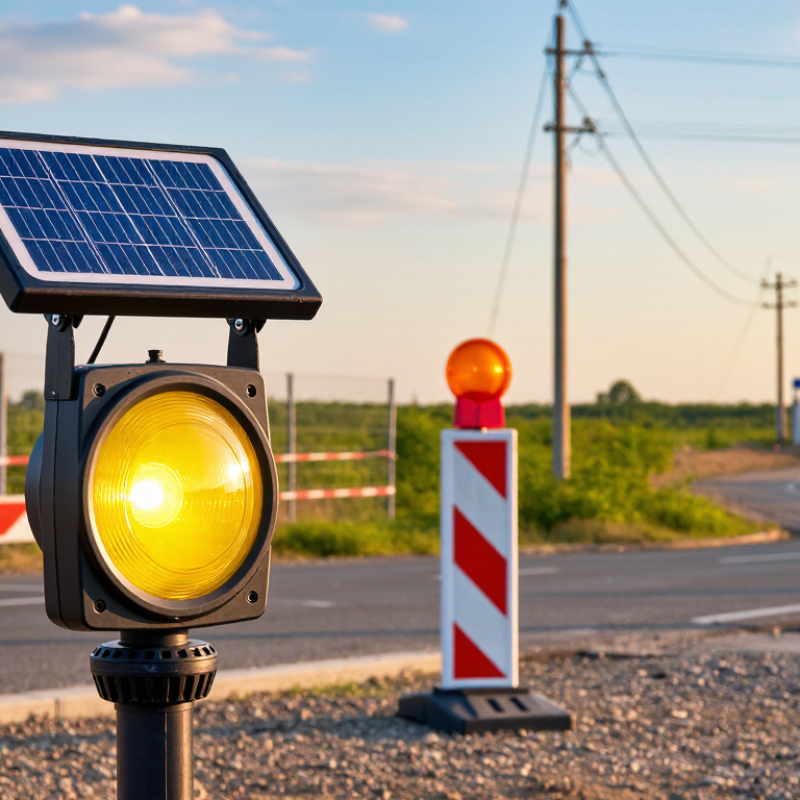
Solar blinker lights are warning fixtures powered by photovoltaic panels, rechargeable batteries, and efficient LEDs. They collect sunlight during the day and produce repeated flashes after dark. PV efficiency measures how effectively a panel converts sunlight into electrical energy. It does not guarantee the same output in every location.

Practical evaluations show that panel angle, dust, temperature, and shading strongly affect performance. A light near a dusty road may charge less than laboratory figures suggest. Cloudy coastal regions also require larger panels or higher-capacity batteries. Flash duration matters too. Fast blinking can improve visibility, but it consumes more stored energy. Procurement teams should request measured autonomy, battery cycle data, charging time, and performance tests under low-light conditions.

Global sourcing adds another layer. Sunlight patterns differ across tropical, temperate, and high-latitude markets. Shipping conditions may expose housings to vibration, salt air, or freezing temperatures. Buyers should check sealing quality, material stability, packaging, and regional electrical requirements before placing large orders. Sample testing remains essential, even when technical sheets appear complete. PV efficiency is useful, but it is only one part of reliability. Some specifications look impressive until real weather challenges them.

Why Choose Solar Blinker Lights for Global Sourcing?

Solar blinker lights use photovoltaic cells to convert sunlight into electricity, store energy in a rechargeable battery, and power an LED warning signal after dark. Higher PV efficiency can improve charging performance, especially in compact products or locations with limited sunlight.

Typical PV Module Efficiency Ranges

The ranges are indicative commercial conversion-efficiency ranges: crystalline-silicon modules generally provide higher efficiency, while thin-film modules can offer advantages in specific form factors and operating conditions.

Global Solar PV Capacity Additions

Global solar PV additions increased from approximately 97 GW in 2019 to approximately 346 GW in 2023, indicating a rapidly expanding ecosystem for solar-powered outdoor products. Market figures are based on IRENA Renewable Capacity Statistics 2024; efficiency ranges are based on technical industry reference data from Fraunhofer ISE Photovoltaics Report 2024.

How Solar Blinker Lights Work: IEC 61215 PV Modules and Energy Storage

Solar blinker lights use photovoltaic modules to convert daylight into electrical energy. For global sourcing, IEC 61215 documentation offers a useful starting point. This standard evaluates terrestrial PV module design, performance, and durability under defined test conditions. It can reveal how a module handles temperature changes, humidity, mechanical stress, and light exposure. However, IEC 61215 does not certify the complete lighting system.

A typical unit includes a PV module, charge controller, rechargeable battery, LED circuit, and photosensor. During daylight, the module feeds energy into the battery through the controller. At night, the photosensor activates the blinking LEDs. Battery capacity must match local sunlight, operating hours, LED power, and seasonal conditions. A coastal installation may need stronger sealing. A cold region may require battery chemistry suited to low temperatures.

Small details matter. Check test reports, module ratings, battery cycle data, and operating temperature ranges. Ask for measured runtime after cloudy days, not only laboratory results. That is where many specifications become less convincing. Real performance can decline with dust, shading, aging, or poor cable connections. I would also inspect sample units before large orders. A light may meet PV module requirements but still have weak charging control or an unreliable sensor. Supplier records should be traceable, current, and consistent across samples.

Safety and Durability: IP65 Protection and IEC 60598-1 Compliance

Solar blinker lights support visible warnings where grid access is limited. The IEA PVPS Trends 2024 report estimates global solar capacity exceeded 1.6 terawatts by the end of 2023. This expansion strengthens demand for self-powered safety equipment, especially at construction sites, roadside barriers, warehouses, and remote facilities.

IP65 protection is practical, but often misunderstood. The first digit means complete protection against dust. The second indicates resistance to water jets from any direction. It does not mean waterproof immersion. During sourcing, inspect the housing seam, gasket compression, lens fit, and cable gland. A weak seal can fail after repeated rain, vibration, or thermal expansion.

IEC 60598-1 adds broader luminaire safety requirements, including insulation, mechanical construction, marking, and protection against electric shock. Suppliers should provide current test reports, production records, and sample-based inspection results.

Real performance still depends on more than certification. Ask for solar charging data, battery cycle testing, operating temperatures, flash visibility, and night-time runtime. A small panel may charge slowly during winter or dusty conditions. That is easy to overlook. Field testing should include several cloudy days, not only bright laboratory conditions. Buyers can also compare photometric results and confirm whether the flashing pattern remains visible through rain and road spray. Some specifications look complete, yet omit battery replacement access or long-term seal aging. That omission deserves a second review.

Global Sourcing Metrics: 1.86 TW Global Solar Capacity in 2024 (IRENA)

Why Choose Solar Blinker Lights for Global Sourcing?

Global sourcing decisions need measurable signals. IRENA’s Renewable Capacity Statistics 2025 reported 1.86 terawatts of global solar capacity by the end of 2024. This scale reflects stronger photovoltaic manufacturing, wider component availability, and expanding technical knowledge across markets.

The IEA Photovoltaic Power Systems Programme recorded more than 400 gigawatts of new solar capacity added in 2023.

Solar blinker lights can benefit from this mature ecosystem. Suppliers can usually access photovoltaic panels, rechargeable batteries, controllers, and weather-resistant housings more efficiently.

That may support stable quotations and shorter sourcing cycles. Not always, though.

A practical evaluation should examine measured performance, not only catalog claims. Request charging tests under low-light conditions. Check battery autonomy, flash visibility, ingress protection, and temperature resistance.

A unit operating beside a dusty road faces different conditions from one installed near a humid harbor. Procurement teams should also verify test reports, sample consistency, and replacement-part availability.

The 1.86 TW figure indicates market momentum, but it does not guarantee reliable products. Solar resources vary widely by region.

Winter cloud cover can reduce charging time. Small design weaknesses then become visible.

Global buyers should compare samples from several suppliers and record results under identical conditions. That simple discipline often reveals more than a polished specification sheet.

Supplier Evaluation: Battery Cycles, Certifications, MOQ, and Lead Times

Why Choose Solar Blinker Lights for Global Sourcing?

A reliable solar blinker light starts with battery performance, not appearance. Ask suppliers for cycle data under realistic outdoor conditions. A test using 25°C may not represent winter ports or hot construction sites. Check whether the battery maintains useful capacity after 500, 800, or 1,000 cycles. The exact figure matters less than the test method. A cycle number alone can mislead.

Request certification documents for every target market. Look for relevant safety, electromagnetic compatibility, battery transport, and environmental compliance records. Verify the certificate holder, product model, test laboratory, and validity period. Do not accept a logo printed on a quotation. Test reports should match the proposed light, battery, and charging circuit. Small design changes can invalidate earlier results.

MOQ affects cash flow, storage, and customization. Ask whether the minimum applies to one color, one housing, or the full order. Sample approval should happen before production tooling or large deposits. Lead times must include component purchasing, assembly, aging tests, inspection, and packaging. A supplier quoting seven days may exclude testing. That is risky. Request a production schedule with milestone dates and a realistic buffer. One detail often gets overlooked: seasonal solar lighting demand can extend battery and controller availability. I would also question my own forecast, because a lower price is useless if slow replenishment leaves projects waiting.

FAQS

How does a solar blinker light work?

A photovoltaic module collects daylight. The controller sends energy to a rechargeable battery. At night, a photosensor activates the blinking LEDs.

What does photovoltaic module testing reveal?

Testing can show resistance to heat, humidity, light exposure, and mechanical stress. It does not certify the complete lighting system. The controller and sensor still need separate checking.

How should battery capacity be selected?

Match capacity with local sunlight, operating hours, LED power, and seasonal weather. A cloudy winter may need more reserve. Small batteries can disappoint quickly.

What does IP65 protection mean?

The first digit indicates strong dust protection. The second indicates resistance to water jets from different directions. It does not support underwater immersion. Check the gasket and cable gland.

Which details should buyers inspect before ordering?

Review test reports, module ratings, battery cycle data, and operating temperatures. Inspect sample housings and cable connections. Records should remain current and consistent.

How can real runtime be verified?

Ask for measured runtime after several cloudy days. Test samples under identical conditions. Laboratory brightness may hide field problems.

What environmental conditions can reduce performance?

Dust, shading, aging, weak seals, and loose cables can reduce charging. Coastal sites may require better sealing. Cold regions may need suitable battery chemistry.

What should be checked during field testing?

Test flashing visibility through rain and road spray. Check charging during low light. Confirm battery replacement access and long-term seal durability. Some specifications omit these details.

Conclusion

A Solar Blinker Light combines photovoltaic energy generation, efficient LED signaling, and rechargeable battery storage in a self-contained lighting system. Its solar module converts daylight into electricity, while an energy management circuit stores power for nighttime operation. Using PV modules designed around IEC 61215 principles can support consistent performance and durability across different climates. As global solar capacity reached approximately 1.86 TW in 2024, solar-powered lighting has gained broader relevance for infrastructure, transportation, construction, and outdoor safety applications.

For global sourcing, buyers should assess more than price. IP65 protection helps guard the enclosure against dust and water jets, while IEC 60598-1 compliance supports essential lighting safety requirements. Supplier evaluations should include battery cycle life, charging efficiency, operating temperature range, certifications, minimum order quantity, production capacity, and lead times. Reviewing test reports, sample performance, packaging standards, and after-sales support can reduce procurement risks and help ensure that the selected Solar Blinker Light meets project requirements consistently.

Olivia

Olivia

Olivia is a dedicated marketing professional with extensive experience in developing clear, engaging, and insight-driven content for business audiences. As a key contributor to our company’s website, she regularly publishes professional blog articles that explain industry trends, practical......
Online Enquiry Contact Sales