
Export Sales: +91 96012 58123 [email protected] Exporting to 20+ Countries
0%

Choosing the 2026 Best Solar Red Blinker Light requires more than comparing price and brightness. Global buyers need dependable visibility, weather resistance, and documented performance. A practical review should examine these details closely.

A quality Solar Red Blinker Light can support warning signs, gates, driveways, roadside equipment, and remote work areas. Its solar panel should collect energy during weak sunlight, not only on clear summer days. Battery capacity also matters during long nights, rain, and winter conditions. Look for durable housings, secure mounting brackets, visible flashing patterns, and clear charging instructions.

Small details matter.

Buyers should check IP ratings, operating temperatures, warranty terms, and replacement options. Regional shipping, voltage design, recycling rules, and product certifications may differ between markets. A trusted supplier should provide test information instead of vague claims. Independent reviews can help, but they may not reflect every climate or installation height.

No single model fits every buyer. A compact light may suit a garden gate but fail beside a busy road. A brighter unit may consume more stored energy. This trade-off is easy to overlook. Even strong products can disappoint when installed under trees, behind walls, or at the wrong angle.

This guide compares leading options for 2026 with a practical, evidence-aware approach. It considers real installation conditions, user feedback, technical specifications, and long-term value. The goal is not to promise perfection, but to identify safer and more reliable choices for different global applications.
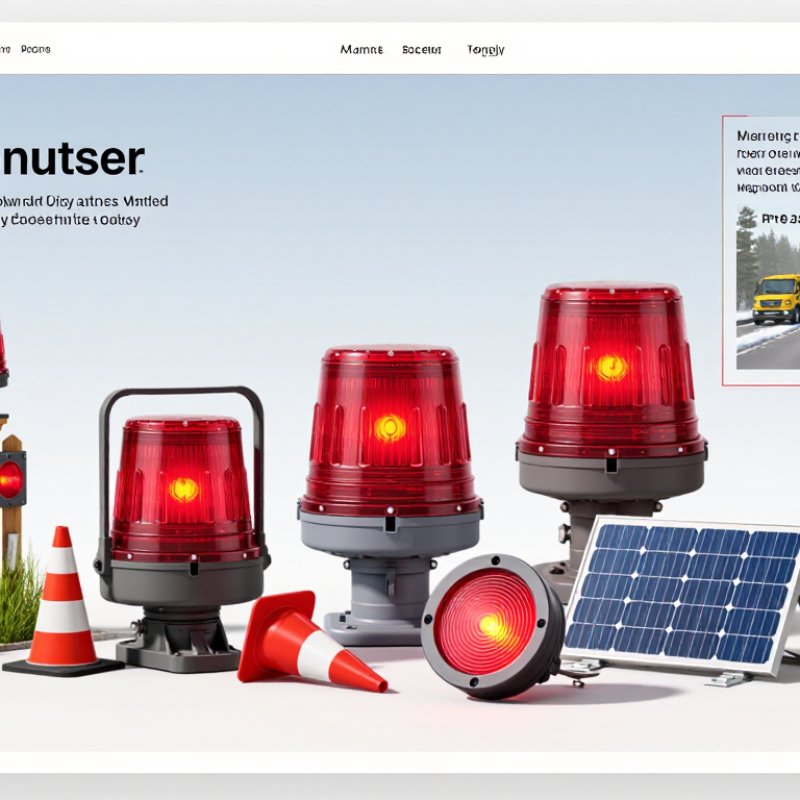
2026 Best Solar Red Blinker Light for Global Buyers?

What Is a Solar Red Blinker Light?

2026 Best Solar Red Blinker Light for Global Buyers?

A solar red blinker light is a self-powered warning device using a photovoltaic panel, rechargeable battery, controller, and red LED. Its panel converts daylight into electricity. The battery stores energy for nighttime flashing. A light sensor usually activates the unit automatically after sunset.

Red light is commonly selected because it attracts attention while limiting glare. The visible red spectrum is roughly 620–750 nanometers, according to the International Commission on Illumination. Flash timing, viewing distance, and lens design matter more than brightness alone. A small lamp can look strong in darkness but disappear in rain or dust.

The IEA PVPS Trends 2024 report recorded more than 1.6 terawatts of global solar capacity by the end of 2023. This supports wider access to solar components, but it does not guarantee reliable outdoor lighting. The GOGLA Global Off-Grid Solar Market Report reported 9.3 million off-grid solar products sold in the first half of 2023, showing continued interest in independent power systems. Buyers should still check battery capacity, operating temperature, ingress protection, and charging performance under weak sunlight. Poor winter performance remains a common weakness. I would not trust bright packaging alone. Field testing is better. A practical trial should measure flashing hours after one cloudy day, then inspect visibility from the intended viewing distance.

2026 Best Solar Red Blinker Light for Global Buyers

A solar red blinker light performs best when its photovoltaic panel receives sufficient daily sunlight. The chart compares representative long-term average peak sun hours across major global solar-resource regions.

Data represents approximate long-term regional averages of equivalent peak sunlight hours per day. Local conditions, seasonal variation, shading, panel angle, and weather can significantly affect actual charging performance. Source: Global Solar Atlas regional solar-resource data.

How Solar Red Blinker Lights Work

How Solar Red Blinker Lights Work

A solar red blinker light converts sunlight into stored electrical energy. Its photovoltaic panel produces direct current during daylight. A charge controller then regulates power before it reaches the battery. At dusk, a light sensor activates the flashing circuit. The controller sends short pulses to red LEDs, creating a visible warning signal with limited energy use.

The system is small but not simple.

A typical unit includes a panel, rechargeable battery, LED board, sensor, and weather-resistant housing. Battery capacity matters during cloudy periods. A practical design should provide several nights of operation after one sunny day. Yet, a simple watt-hour estimate can mislead. Cold temperatures reduce battery performance, while dust and poor panel angles reduce charging.

The International Energy Agency Photovoltaic Power Systems Programme reported more than 1.6 terawatts of global solar capacity by the end of 2023. That growth supports wider solar adoption, but it does not guarantee reliable lighting everywhere. Field conditions still decide performance.

The Global Off-Grid Solar Association also emphasizes quality, durability, and after-sales verification in off-grid products. Buyers should check measured flash intensity, battery cycle data, panel output, and ingress protection ratings.

A red lens may look bright indoors but weak beside a road. Testing should happen outdoors, at night, and after several cloudy days.

Small details matter.

Key Features for Global Buyers to Compare

For global buyers, the best solar red blinker light should combine visibility, autonomy, and weather resistance. The IEA Renewables 2024 report states that nearly 420 GW of solar PV capacity was added worldwide in 2023. More remote installations now need dependable warning lights near panels, towers, gates, and construction zones. Compare luminous intensity, flash frequency, viewing angle, and nighttime runtime. A 360-degree lens helps from changing approach directions. A red LED should remain visible without creating excessive glare.

Battery chemistry matters in hot, cold, and cloudy regions. Ask for tested autonomy, not only a marketing estimate. A practical specification should show runtime after several low-sun days, charging time, and battery replacement access.

Check the solar panel’s rated power and the controller’s charging protection. IP65 may suit ordinary outdoor exposure, while IP66 offers stronger protection against powerful water jets. The IEC 60529 test level should be clearly stated.

I would also verify operating temperatures, mounting hardware, packaging strength, and available technical documents before placing a large order.

Tips: Request an independent photometric report and a sample unit. Test it through one cloudy week. Confirm red-light consistency at 50 and 100 meters. Customs paperwork, spare batteries, and regional recycling rules can affect the real cost. One weakness remains easy to miss: a bright daytime flash may still look poor through fog, dust, or rain. Product claims need field checking.

Installation, Maintenance, and Safety Considerations

Solar Red Blinker Light for Global Buyers: Installation, Maintenance, and Safety Considerations

A solar red blinker light needs more than strong daytime charging. Install it where nearby trees, walls, or equipment cannot shade the panel during winter. A small shadow can reduce charging noticeably. The International Energy Agency Photovoltaic Power Systems Programme reported global solar capacity above 1.6 terawatts by the end of 2023, showing why practical solar maintenance knowledge matters for international buyers.

Mount the light vertically and keep the lens visible from the required approach direction. Check local aviation or infrastructure rules before installation. ICAO and national aviation authorities may specify flash patterns, intensity, visibility, and obstruction-light placement. Use corrosion-resistant brackets, sealed cable entries, and reliable grounding where applicable. An IP-rated enclosure helps, but IP protection is not permanent after damaged seals or careless drilling.

Maintenance should include monthly visual checks during the first operating season. Inspect panel dust, battery swelling, loose hardware, water marks, and irregular flashing. NREL’s PV Operations and Maintenance guidance emphasizes scheduled inspections, performance records, and preventive repairs. Record night operating hours, especially after cloudy weather. Replace aging batteries before winter, not after failure.

Small details matter.

Cold climates can reduce battery performance, while extreme heat accelerates aging. The exact service interval depends on chemistry, load, and sunlight. That uncertainty is often ignored. Buyers should request test results, operating-temperature limits, photometric data, and replacement-part availability. A brighter light is not automatically safer if it causes glare or violates local visibility requirements.

2026 Best Solar Red Blinker Light for Global Buyers? - Installation, Maintenance, and Safety Considerations
Evaluation Category Specification or Data Dimension Typical Buyer-Ready Guidance Installation Considerations Maintenance and Safety Considerations
Light Performance Light color Red LED output, normally within the visible red range of approximately 620–680 nm. Install the lens where the required viewing direction is not blocked by poles, walls, trees, or equipment. Confirm that the color and optical characteristics meet the rules for the intended road, marine, industrial, or warning application.
Light Performance Flashing pattern Common configurations include steady-on, single-flash, double-flash, and adjustable flash patterns. Select one pattern that is clearly distinguishable from nearby signals and consistent with the local installation requirement. Do not use a flashing pattern that could be confused with emergency, aviation, navigation, or traffic-control signals.
Light Performance Flash frequency A typical adjustable range is about 20–60 flashes per minute, but the correct value depends on the application. Set the flash rate before final mounting and verify it at night from the intended observation distance. Follow the applicable authority, engineering specification, or site risk assessment rather than choosing a rate only for visual appeal.
Solar System Solar panel type Monocrystalline or polycrystalline photovoltaic panels are commonly used; panel ratings often range from approximately 1 W to 10 W for compact warning lights. Orient the panel toward the strongest available sunlight and avoid shade during the main solar charging period. Keep the panel clean and inspect it for cracks, delamination, loose wiring, or water ingress.
Solar System Battery chemistry Rechargeable lithium iron phosphate or sealed lead-acid batteries are common choices; the correct capacity depends on LED power, duty cycle, and climate. Use the supplied battery type and polarity. Provide ventilation where required by the battery design and local code. Never short-circuit, puncture, overcharge, freeze, or dispose of rechargeable batteries with general household waste.
Solar System Backup autonomy A practical design target is at least 3–5 nights without meaningful sunlight; high-reliability sites may require more reserve capacity. Size the battery and panel for the local solar resource, winter conditions, operating hours, and selected flash pattern. Test the light after several cloudy days, not only immediately after installation, to confirm that the reserve is adequate.
Environmental Protection Ingress protection IP65 provides protection against dust and water jets; IP66 offers stronger water-jet protection. IP67 additionally addresses temporary immersion under specified test conditions. Use sealed cable glands, correctly fitted gaskets, and downward-facing cable loops where practical. An IP rating does not automatically prove resistance to salt spray, chemicals, impact, or long-term ultraviolet exposure.
Environmental Protection Operating temperature Many outdoor units are designed for approximately −20°C to +60°C, but the actual range must be confirmed for the selected battery and electronics. Avoid locations that create excessive heat, such as enclosed metal boxes exposed to direct summer sunlight. Check cold-weather charging limits, especially for lithium batteries, because charging below the manufacturer’s permitted temperature can cause damage.
Mechanical Design Housing and lens materials UV-stabilized polycarbonate, acrylic, aluminum, or coated metal housings are commonly used for outdoor equipment. Use corrosion-resistant fasteners and a mounting surface strong enough to withstand wind, vibration, and equipment movement. Inspect for lens clouding, cracks, corrosion, and loose hardware at least twice a year or more often in severe environments.
Mechanical Design Wind and vibration resistance Required resistance depends on mounting height, exposed surface area, local wind speed, and structural design. Use a properly rated bracket, lock washers or thread-locking hardware where suitable, and a secure foundation. Do not attach the light to unstable fencing, damaged poles, or structures that have not been assessed for additional wind load.
Electrical Installation System voltage Small solar warning lights commonly use low-voltage DC battery systems, often around 3.2 V, 6 V, or 12 V. Match the solar panel, charge controller, battery, LED driver, and wiring to the same system design. Disconnect the battery before servicing where possible, protect exposed conductors, and observe correct polarity.
Electrical Installation Cable and connector protection Outdoor-rated, UV-resistant cable and sealed connectors are preferred for exposed installations. Route cables away from sharp edges, moving parts, standing water, and areas where maintenance equipment may damage them. Replace cables with cracked insulation, exposed conductors, corrosion, or overheated connectors.
Installation Mounting height and visibility There is no universal height; the correct position depends on the hazard, viewing distance, obstruction profile, and local regulations. Mount the light high enough to remain visible but low enough for safe maintenance unless a specific standard requires otherwise. Use fall-protection procedures and isolate nearby equipment or traffic when working at height.
Installation Initial commissioning test Confirm charging during daylight, automatic activation at low light, correct flash pattern, and stable operation for a complete night. Record the installation date, battery type, configuration settings, location, and initial test result. Verify that the light does not create glare or distraction for drivers, operators, residents, or nearby aircraft and vessels.
Maintenance Cleaning interval Inspect monthly in dusty, coastal, or industrial locations; clean the panel and lens whenever dirt visibly reduces output. Use clean water and a soft, non-abrasive cloth. Do not scratch the photovoltaic panel or optical lens. Avoid solvents, abrasive powders, high-pressure spraying directly into seals, and cleaning while the structure is unsafe to access.
Maintenance Battery replacement planning Battery service life varies widely with chemistry, temperature, depth of discharge, and charge control; periodic capacity testing is more reliable than a fixed calendar alone. Use an equivalent approved capacity, chemistry, connector, and temperature rating when replacing the battery. Recycle batteries through an authorized collection channel and prevent terminals from contacting metal objects during transport.
Global Buyer Checks Compliance documentation Request the product datasheet, user manual, battery information, ingress-protection test evidence, and applicable electrical or EMC declarations. Check whether the destination country requires additional approvals for construction sites, roads, ports, railways, or aviation-related locations. A general outdoor rating is not a substitute for application-specific approval or permission from the responsible authority.
Global Buyer Checks Spare parts and support Prioritize replaceable batteries, accessible seals, documented wiring, clear settings, and available mounting hardware. Confirm spare-part compatibility and technical support before placing a large international order. Keep a service record and remove units from operation if warning performance becomes unreliable or intermittent.
Selection note: The most suitable solar red blinker light is determined by required visibility, local regulations, climate, solar availability, mounting conditions, battery reserve, and maintenance access—not by brightness alone.

How to Choose the Best Model for Different Applications

2026 Best Solar Red Blinker Light for Global Buyers?
How to Choose the Best Model for Different Applications

The best solar red blinker light depends on location, visibility needs, and installation conditions. For roadside barriers, choose a wide-angle lens, strong weather resistance, and a visible flash pattern. A compact unit may suit farm gates or private access roads. Tall structures need higher brightness and reliable visibility from changing viewing angles. Check the product’s measured candela output, not only marketing terms such as “ultra-bright.” Local traffic and safety requirements may also define acceptable colors, flash rates, and mounting heights.

For coastal sites, select corrosion-resistant hardware and an enclosure rated for heavy rain and dust. In cold regions, examine battery capacity and low-temperature performance. A small solar panel can struggle during cloudy winter weeks. For tropical locations, heat resistance and drainage matter more than appearance. I have seen installation plans fail because the panel faced a wall or stayed shaded by a nearby tree. Solar performance is never identical in every climate. Confirm operating hours, charging time, battery replacement access, and test results from controlled conditions.

Tips: Clean the panel every few months. Aim it toward the strongest daily sunlight. Test nighttime visibility from the farthest required point. Compare models by application, not price alone. Ask for installation guidance, warranty terms, and independent safety documentation. A slightly imperfect design may still work well if maintenance is practical.

FAQS

What is a solar red blinker light?

It is a warning device powered by sunlight. A panel charges a battery during the day. Red LEDs flash after sunset.

How does the light operate at night?

A light sensor detects darkness. The controller sends short electrical pulses to the red LEDs. Flashing uses less energy than continuous lighting.

Why is red light commonly used?

Red attracts attention while limiting glare. Its visible wavelength is roughly 620–750 nanometers. Lens design still matters.

Can one sunny day support several nights?

A suitable battery may support several nights. Cloudy weather, cold temperatures, and dust can reduce performance. The claim needs testing.

What should buyers check before purchasing?

Check battery capacity, charging performance, operating temperature, and weather protection. Also review measured flash intensity and battery cycle data.

Will the light work during winter or cloudy weather?

Performance may fall sharply in winter. Weak sunlight charges the battery slowly. Test it after one cloudy day.

Where should the light be tested?

Test it outdoors at night. Measure flashing hours from the intended viewing distance. Inspect visibility after rain or dust exposure.

Is brightness alone a reliable quality measure?

No. A small lamp can look bright indoors but disappear beside a road. Flash timing and viewing distance matter too.

How does panel placement affect charging?

The panel needs useful daylight. A poor angle reduces charging. Dirt on the surface causes another avoidable loss.

What common mistake should buyers avoid?

Do not trust bright packaging alone. Field testing reveals weaknesses. I would still question optimistic performance claims.

Conclusion

A Solar Red Blinker Light is a self-powered warning device designed to provide clear, visible signals in locations where grid electricity may be unavailable or costly. It uses a solar panel to charge an internal battery during daylight, while a control circuit activates red LEDs in a regular flashing pattern at night or in low-light conditions. This combination supports reliable operation with low energy consumption and reduced wiring requirements.

For global buyers, important comparison points include brightness, flash frequency, battery capacity, solar charging efficiency, weather resistance, operating temperature, visibility distance, and mounting flexibility. Installation should provide unobstructed sunlight and secure positioning, while routine maintenance should include cleaning the panel, checking the battery, and inspecting seals and fasteners. Safety also depends on proper placement, visibility, and compliance with local standards. The best model will match the application, whether for road edges, construction areas, gates, marine facilities, or remote property entrances.

Amelia

Amelia

Amelia is a professional marketing specialist with a strong understanding of our company’s products, services, and customer-focused approach. With extensive experience in market research, content strategy, and business communication, she transforms complex product information into clear, practical,......
Online Enquiry Contact Sales