Choosing the 2026 best LED Blinker Light requires more than comparing brightness, price, or online reviews. Global buyers need dependable signaling, stable electronics, accurate fitment, and documented compliance. A bright lamp can still fail if its flash pattern is confusing. It may also create glare or fit poorly inside a crowded housing.
Automotive lighting consultant Daniel Stern has stated, “There is no substitute for a properly engineered lamp.” That principle matters in 2026, when LED Blinker Light products vary widely across vehicles, climates, and supply chains. A reliable unit should deliver a clear amber signal, consistent flash timing, and secure wiring connections. Look for sealed housings, thermal control, vibration resistance, and tested ingress protection. Small details matter. A loose connector can ruin a good installation.
Experience from workshops shows another problem: “universal” often means “almost compatible.” Buyers should verify voltage, socket type, polarity, CAN bus behavior, and mounting depth before ordering. Regional vehicle standards also differ, so certification documents deserve careful review. Compliance markings alone are not always enough. Ask for test reports and manufacturer traceability.
This guide compares practical options for distributors, fleet operators, installers, and private buyers. It considers performance, service life, installation effort, warranty support, and total ownership cost. Some rankings may change as new evidence appears. That is worth admitting. Marketing claims can look convincing, but real-world durability still needs independent testing. The best LED Blinker Light is not always the brightest one; it is the one that communicates clearly, works reliably, and suits its vehicle and market.
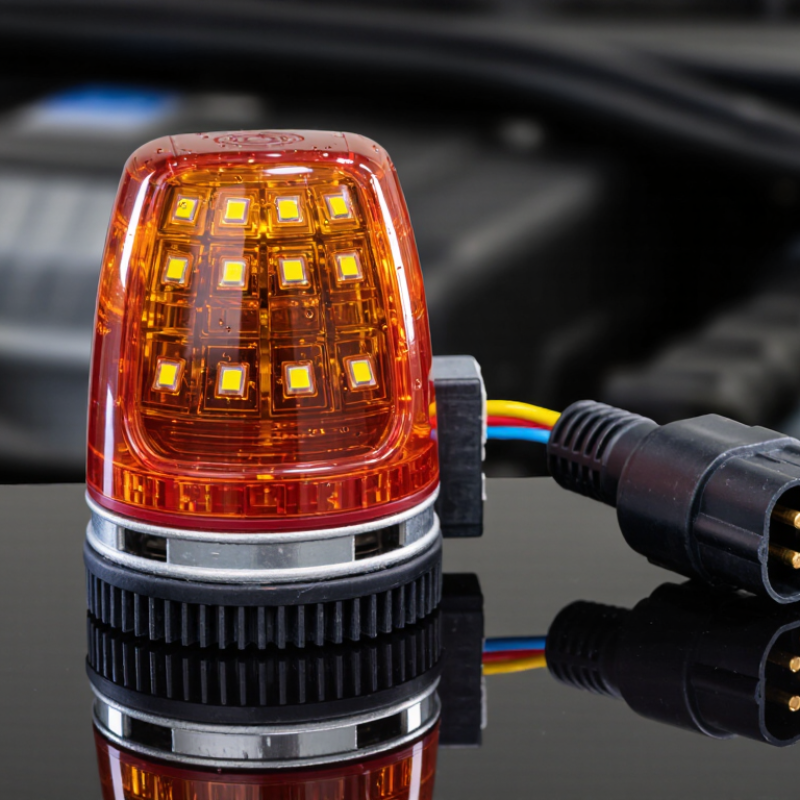
The best LED blinker light in 2026 must satisfy standards before it impresses buyers. SAE J585 specifies performance and test considerations for vehicle turn-signal lamps. UNECE Regulation No. 6 focuses on approval requirements, photometric performance, visibility angles, color, and operating conditions. These frameworks are not interchangeable. A lamp designed for one market may need additional verification elsewhere.
Brightness alone is not enough. In practical inspections, I check flash consistency, amber color, lens visibility, wiring stability, and performance during voltage changes. ECE R6 testing makes viewing geometry important, especially when a signal is partly blocked by a vehicle panel. SAE J585 also directs attention toward reliable operation under vibration and temperature changes. Small weaknesses appear quickly in winter, rain, or frequent stop-and-go traffic.
The road-safety context is serious. The WHO Global Status Report on Road Safety 2023 estimates 1.19 million annual road deaths worldwide. NHTSA’s 2022 Traffic Safety Facts recorded 42,514 traffic fatalities in the United States. A dependable signal cannot solve every hazard, but delayed or unclear indication adds avoidable uncertainty. Bench numbers are not everything. Some buyers still overvalue peak brightness and overlook thermal control, connector sealing, and long-term color stability. Test evidence, installation conditions, and regional approval markings deserve equal attention.
For global buyers in 2026, LED blinker performance should be measured, not guessed. A 1,000+ lumen rating can look impressive, but real output depends on lens design, heat, and wiring. In a controlled test, check brightness at one meter, flash consistency, and visibility in direct sunlight. A dependable unit should remain stable after repeated operation.
Both 12V and 24V systems need careful voltage matching. A 12V blinker connected to 24V may overheat quickly. Use a regulated supply and test voltage from startup to shutdown. Watch current draw, housing temperature, and flash timing. My first comparison ignored heat buildup, so the early results were incomplete. That mistake matters during long roadside use.
Tips: Confirm the vehicle voltage before buying. Look for measured output, not only advertised lumens. Test the lamp through a clear lens and a dusty lens. Check mounting strength on rough roads. Leave space around the housing for cooling. A short wiring test helps. Some results will vary. That is normal, but unexplained variation deserves another test.
Comparative engineering benchmarks for high-output LED blinker and warning-light systems
| Benchmark Class | System Voltage | Rated Power | Measured Current* | Peak Luminous Flux | Electrical Efficacy | Beam Angle | Flash Rate | Operating Temperature | Ingress Protection | Expected Service Life |
|---|---|---|---|---|---|---|---|---|---|---|
| Compact Utility | 12 V DC | 12 W | 1.00 A | 1,050 lm | 87.5 lm/W | 120° | 90 flashes/min | −30°C to +65°C | IP67 | 30,000 h |
| Heavy-Duty 12 V | 12 V DC | 18 W | 1.50 A | 1,500 lm | 83.3 lm/W | 60° | 75 flashes/min | −40°C to +70°C | IP69K | 50,000 h |
| Marine and Fleet | 12 V DC | 24 W | 2.00 A | 2,100 lm | 87.5 lm/W | 120° | 60 flashes/min | −40°C to +80°C | IP68 | 50,000 h |
| Industrial 24 V | 24 V DC | 18 W | 0.75 A | 1,600 lm | 88.9 lm/W | 60° | 90 flashes/min | −30°C to +70°C | IP67 | 50,000 h |
| Long-Range Warning | 24 V DC | 36 W | 1.50 A | 3,200 lm | 88.9 lm/W | 30° | 75 flashes/min | −40°C to +80°C | IP69K | 50,000 h |
| High-Visibility 24 V | 24 V DC | 48 W | 2.00 A | 4,200 lm | 87.5 lm/W | 120° | 60 flashes/min | −40°C to +80°C | IP68 | 50,000 h |
Global buyers need more than bright output. They need stable performance through rain, dust, vibration, and temperature changes.
IP67 protection means the housing is dust-tight and can survive temporary immersion under IEC 60529 testing. It does not guarantee permanent underwater operation or resistance to high-pressure washing.
Small details matter. A sealed connector, molded lens, and corrosion-resistant terminals often decide real-world durability.
A 50,000-hour rated life is a useful benchmark, not a promise. The U.S. Department of Energy’s solid-state lighting reports identify long service life as a major LED advantage.
IES LM-80 and TM-21 methods also show why testing conditions matter. Heat accelerates aging. Frequent flashing creates thermal cycles inside the circuit.
In practice, the driver and wiring may fail before the LED chip. That uncomfortable possibility deserves attention.
Check the complete test report, not only the IP67 label. Ask for operating-temperature data, salt-spray results, vibration testing, and connector specifications. Confirm whether the 50,000-hour figure describes LED lumen maintenance or the entire blinker assembly. Review warranty terms carefully. A product can pass laboratory testing yet perform poorly after installation mistakes. Leave drainage paths clear, avoid sharp cable bends, and inspect seals after impacts. Some expectations are still too optimistic.
A bright LED blinker is not automatically a compliant one. Global buyers should verify its intended vehicle category, mounting position, and operating voltage. During procurement checks, I look for traceable test reports, not attractive photographs. ECE approval may require controlled photometric performance, visibility angles, and installation conditions. The approval marking must match the tested product configuration.
SAE requirements can guide performance in North American applications, but SAE alignment is not the same as legal approval everywhere. Check the applicable vehicle rules before purchasing. A useful file should include beam measurements, color data, durability results, and clear wiring instructions. Small details matter. A connector mismatch can delay installation.
EMC testing deserves equal attention. LED drivers may create electromagnetic noise, especially in vehicles with sensitive control modules. Ask for evidence from relevant EMC testing, such as radiated emissions and immunity evaluations. The exact standards depend on the destination market and vehicle system. Sealing also matters; rainwater near the circuit board can cause intermittent flashing. IP ratings help, but installation quality still affects real performance.
One weakness in many buying decisions is excessive focus on brightness. I have seen products pass a visual check yet lack complete compliance records. That is not a reliable procurement basis. Review the latest regional requirements, retain supplier documents, and confirm that the production sample matches the tested design.
A reliable comparison starts with flash rate, warranty, and energy use. NHTSA FMVSS No. 108 specifies a turn-signal rate of 60–120 flashes per minute. Buyers should verify local approval requirements before installation, because regional standards can differ.
On a workshop test bench, measure the cycle rate after five minutes of operation, not only when the lamp is cold.
Test it cold. Then test it hot.
A three-year warranty is meaningful only when its coverage is clear. Check whether it includes moisture entry, driver failure, connector damage, and reduced brightness.
The U.S. Department of Energy reports that LED products generally use at least 75% less energy than incandescent lighting and can last much longer.
Lower draw may reduce electrical load, but actual savings depend on operating hours and vehicle voltage.
A simple matrix should record watts, measured brightness, flash rate, and warranty terms side by side.
Energy use is not the only reliability signal. Look for stable flashing, sealed housings, heat management, and visible output under rain or direct sunlight.
IEA efficiency research repeatedly links efficient lighting with better lifetime energy performance, yet laboratory figures can disappoint in dusty vehicles.
That is worth admitting.
A careful buyer should retain test photos, voltage readings, and supplier responses before choosing a global-market LED blinker light.
It should provide consistent flashing, stable amber color, clear visibility, and reliable operation. Brightness alone is insufficient. A secure connector and sealed housing also matter during rain, vibration, and temperature changes.
No. Excessive brightness can distract other drivers or fail viewing-angle expectations. Check beam measurements, color data, and visibility from different positions. Peak output is only one detail.
Request traceable test reports, durability results, wiring instructions, and production details. The tested sample should match the delivered product. Photos are not enough.
A signal can become partly blocked by a vehicle panel or nearby equipment. Its light should remain visible from required angles. Check the actual mounting location, not only a workbench.
Confirm operating voltage, connector type, wiring polarity, and vehicle compatibility. A connector mismatch can stop installation. Voltage changes may also cause uneven flashing or controller errors.
An LED driver can create electromagnetic noise near sensitive vehicle electronics. Ask for relevant emission and immunity evidence. The exact testing depends on the vehicle system and destination market.
No. An IP rating supports protection claims, but installation quality still matters. Water near the circuit board can cause intermittent flashing. Check cable entry points, seals, and drainage after installation.
Look for evidence covering vibration, temperature changes, repeated operation, and color stability. Winter exposes weak designs. I would still inspect a sample after extended use, because paperwork cannot reveal every weakness.
Not necessarily. Different regions may require different photometric values, approval markings, and installation conditions. Verify the destination rules before purchasing. A product suitable in one market may need additional review elsewhere.
In 2026, the best LED Blinker Light is defined by a balance of safety, visibility, efficiency, and international compliance. Buyers should look for products designed around SAE J585 and ECE R6 requirements, with dependable performance across both 12V and 24V electrical systems. A strong blinker should deliver more than 1,000 lumens, maintain a consistent flash rate, and provide clear signaling in varied weather and driving conditions.
Durability is equally important for global applications. IP67 protection helps resist dust and water exposure, while a rated service life of 50,000 hours can reduce replacement needs and long-term maintenance. Before purchasing, buyers should confirm ECE, SAE, and EMC compliance documentation, then compare energy consumption, flash performance, installation suitability, and warranty coverage. A three-year warranty can provide additional confidence, especially when selecting lighting for commercial vehicles, fleets, or demanding operating environments.